
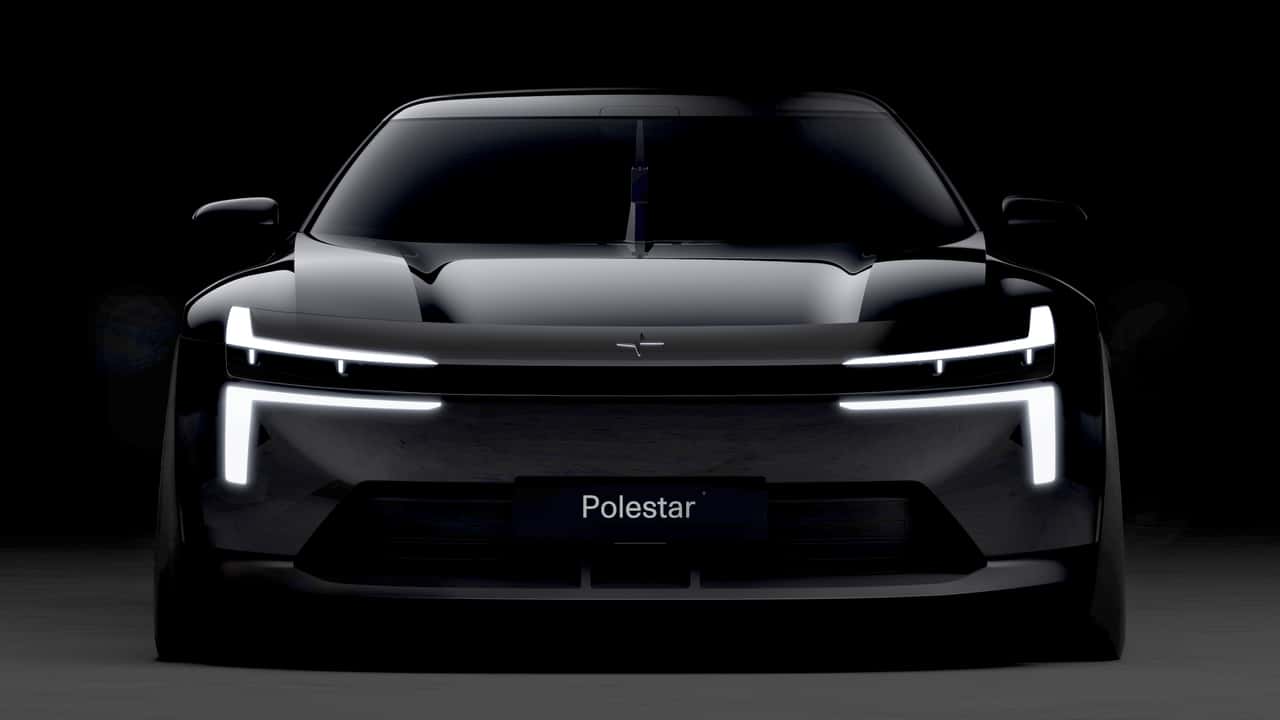


Philipp Römers has been on the job at Polestar since January, and his first directive to the design studio sounds less like a creative manifesto and more like a warning label. “The cars have to look super-attractive and should not scare people,” he told journalists ahead of his debut concept reveal.
That concept, called Formula 2030, will break cover publicly in October. It is the first vehicle designed entirely under Römers’ watch, and it carries the DNA for two critical production models: the next-generation Polestar 2 sedan arriving in 2027 and the Polestar 7 compact SUV expected in 2028.
The timing matters. Polestar is trying to nearly double its volume from 60,000 units in 2025 to 100,000 annually, a target that demands broader appeal without diluting the brand’s identity. Every design choice on Formula 2030 is a bet on whether Polestar can grow up without blending in.
Römers describes the concept as an evolution built on existing values rather than a rupture. The blade-style daytime running lights stay. The low, wide stance with cambered front wheels stays. What changes is the surfacing and proportions, tuned to feel contemporary without the aggressive, angular faces increasingly common across the EV landscape.
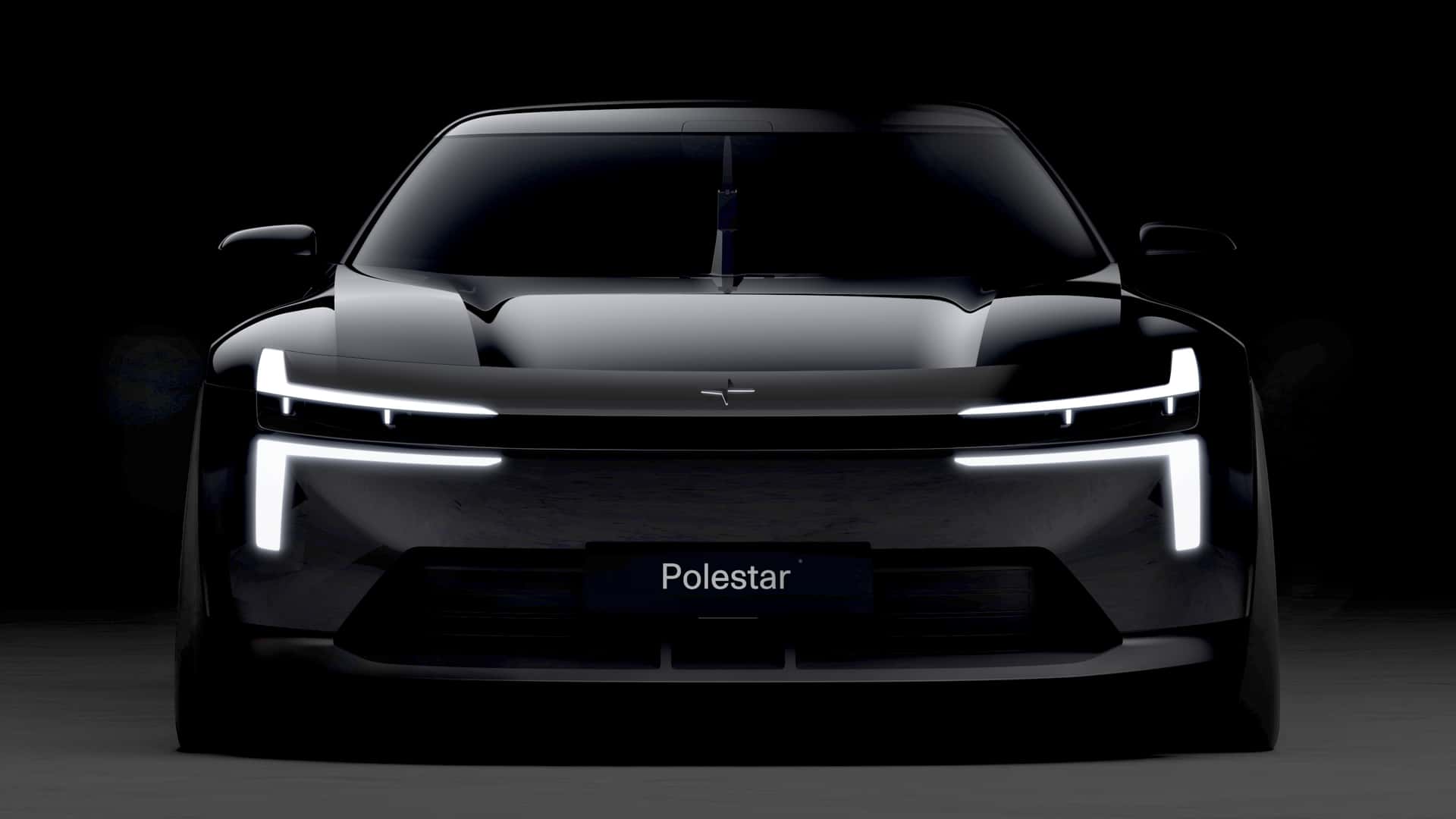
It is a deliberate counter-punch. Brands like BMW and Mercedes-AMG have been sharpening their EV designs with confrontational grilles and exaggerated creases. Römers is betting that restraint sells better. “Ambitious, but not aggressive” is the phrase he keeps repeating, and it reads like a direct response to the design arms race happening in European luxury.
The concept will get a private showing in Gothenburg before its public debut, and Polestar has hinted that the version seen there may still be a teaser rather than the finished study. Materials and sustainability ideas are also part of the package, though specifics remain thin.
Everything Polestar has revealed since Römers arrived, including the 2027 Polestar 4 SUV that looks suspiciously like a lifted wagon, was already in the pipeline before he had a desk. Formula 2030 is genuinely his. That makes it the first real test of whether his aesthetic instincts align with the brand’s commercial ambitions.
Those ambitions come with baggage. Polestar was recently banned from selling vehicles in the United States after a dealer lawsuit alleging the brand engineered its own sales restrictions. A gorgeous concept means nothing if the retail network is in flames.
The next Polestar 2 and Polestar 7 need to share a design language flexible enough to work on a sedan and a compact SUV. That is the real engineering challenge hidden inside Formula 2030. Blade lights on a low sedan read differently than blade lights on a taller crossover, and getting that consistency right across body styles is where concept-car promises often fall apart on the way to production.
Polestar has historically punched above its weight in design. The original Polestar 1 grand tourer was a genuinely beautiful car that sold in tiny numbers. The Polestar 2 earned respect as a clean, understated alternative to the Tesla Model 3.
Whether Römers can maintain that reputation while scaling to six figures in annual volume is the question Formula 2030 is supposed to answer. October will tell us how serious the answer is. Or at least how serious the teaser looks.
Share this Story