
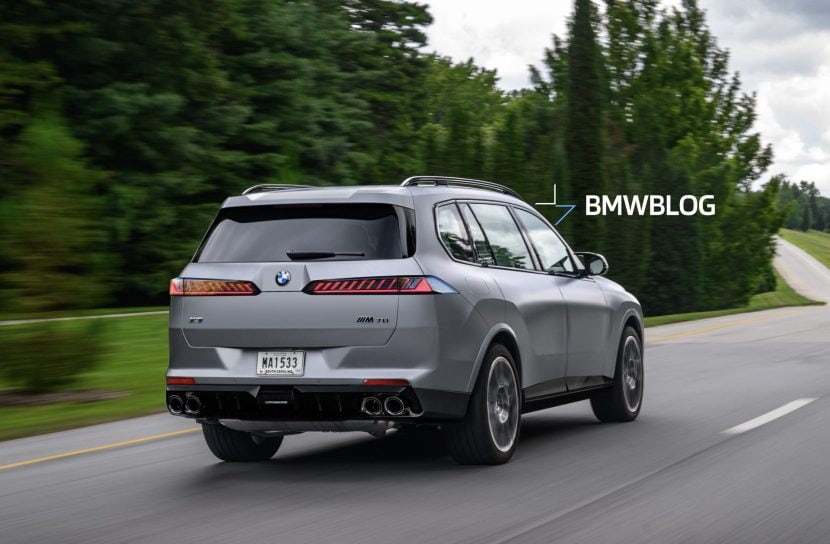


The 2027 BMW X7 will keep its split headlight design. Prototypes caught testing on public roads show the layout clearly, and dealers who have seen the G67 in person over recent months have independently confirmed it. In a lineup that is rapidly consolidating its face, the X7 is deliberately staying apart.
This is not a leftover styling choice waiting to be retired. BMW just facelifted the 7 Series with a heavy redesign and kept the split headlights intact. The pattern is now unmistakable.
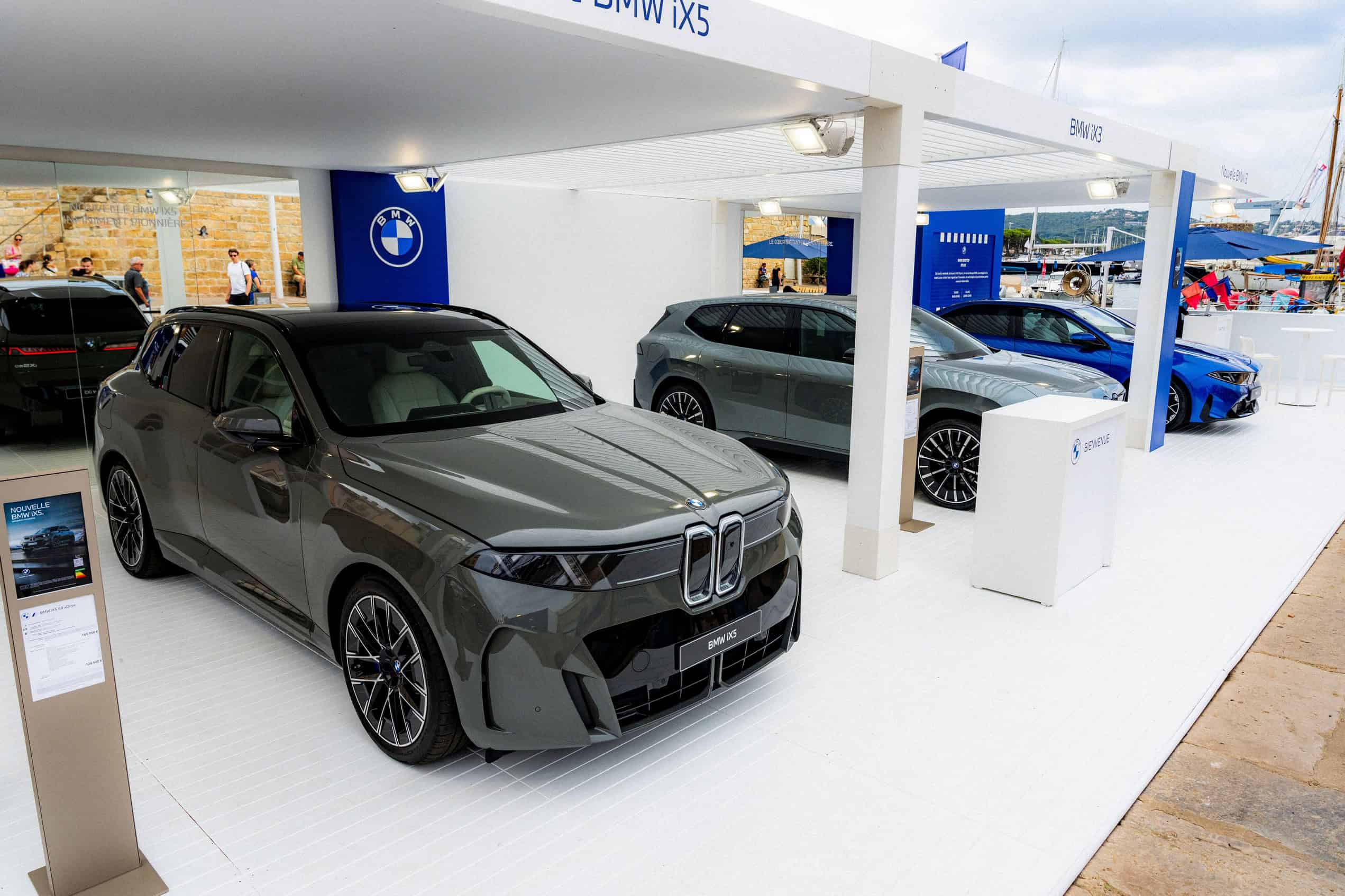
Split lights are the visual marker for BMW’s most expensive metal, full stop. The X5 gets a cleaner single-unit face. The iX3 and iX5 look similar enough from 50 feet that you have to squint.
The X7 and 7 Series sit above all of that, and BMW wants you to know it before you read any badge.
Spy shots suggest the G67 is also shifting its proportions. The current car’s soft curves appear to be giving way to a squarer, more upright stance, which tracks with the direction every serious competitor has already taken. Range Rover, Escalade, and GLS all lean into vertical, slab-sided profiles now.
For a three-row SUV, the logic is not just aesthetic. A boxier greenhouse means more usable headroom in the third row and more cargo volume without stretching the overall footprint. The G67 is expected to grow slightly in length and width over the outgoing model, which fits the strategy of turning that squarer shape into real interior gains rather than visual bulk.
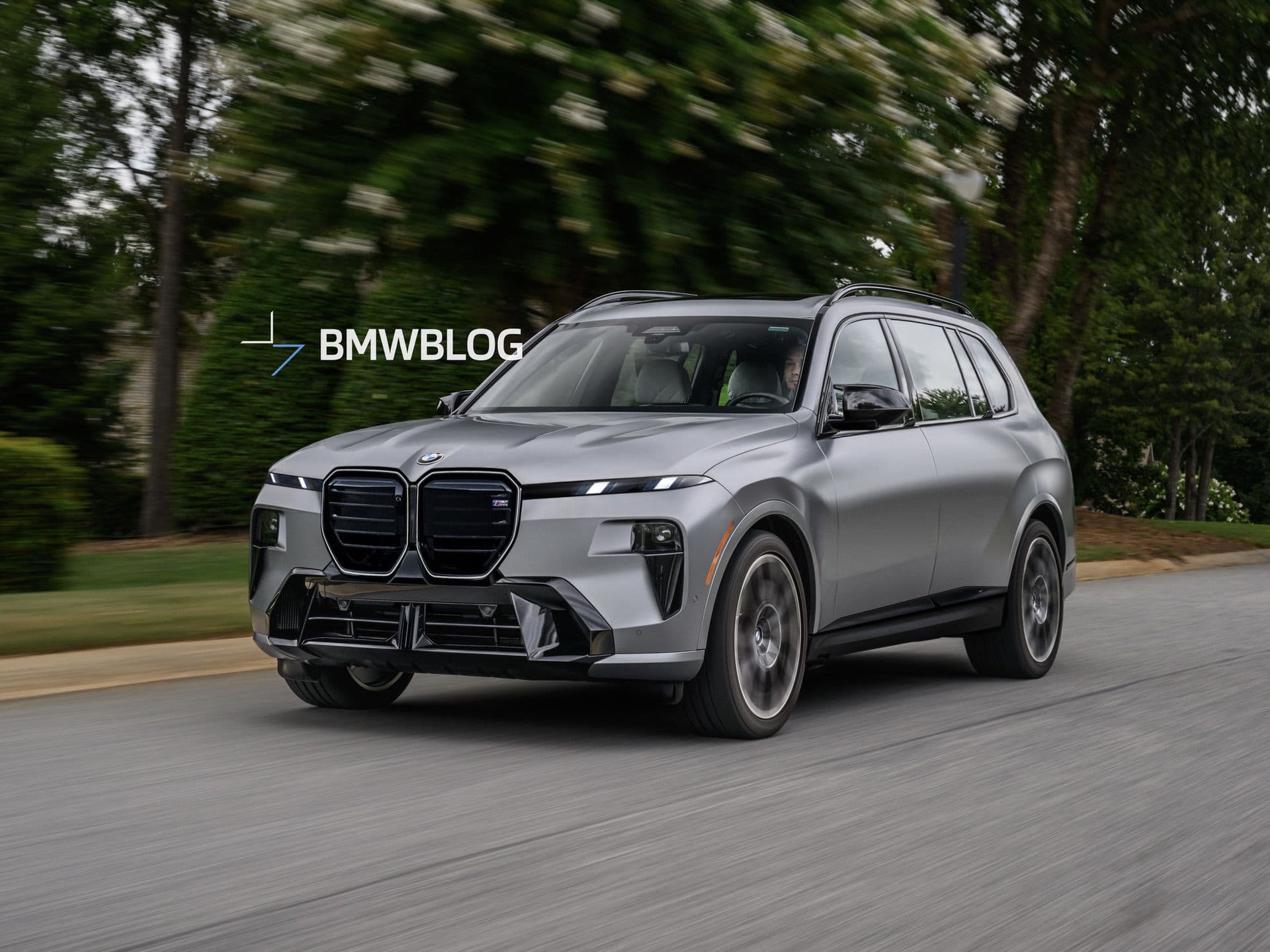
BMW is also keeping the split tailgate, the two-piece design with a drop-down lower section that works as a loading lip or an impromptu bench. The X5 dropped this feature for its current generation. That makes the tailgate another deliberate wedge between the two SUVs, not just a carryover for convenience.
For families loading strollers and groceries into a three-row hauler, it is one of those details that actually gets used daily.
The G67 will also pick up a design detail shared with the new X5 and iX5: door winglets, a small stylistic link that ties the broader SUV family together even as the X7 works to distinguish itself at the top.
Powertrains are expected to span the full spectrum. Six-cylinder gasoline and diesel engines will anchor the range. A V8 will power the M Performance variant, which has already been spotted in prototype form.
For the first time, BMW plans a fully electric iX7, broadening the flagship SUV’s appeal into a segment where Mercedes has already planted the EQS SUV. ALPINA will get its own version of the X7 as well, though the tuner-turned-subsidiary will actually launch its first EV on the i7 platform before the iX7 arrives.
Production is targeted for fall 2027. That timeline puts the X7 reveal somewhere earlier that year, likely at a major auto show or a standalone event designed to give the flagship its own spotlight.
BMW’s decision to maintain split headlights across its two most expensive nameplates while simplifying the rest of the range is a bet that luxury buyers want to look different from the mainstream lineup, not just drive something bigger. Whether the broader market agrees is a question the order books will answer.
But the strategy is now locked in, and it runs deeper than styling. It is BMW drawing a line between its volume sellers and its profit leaders, making sure nobody confuses one for the other.
Share this Story