
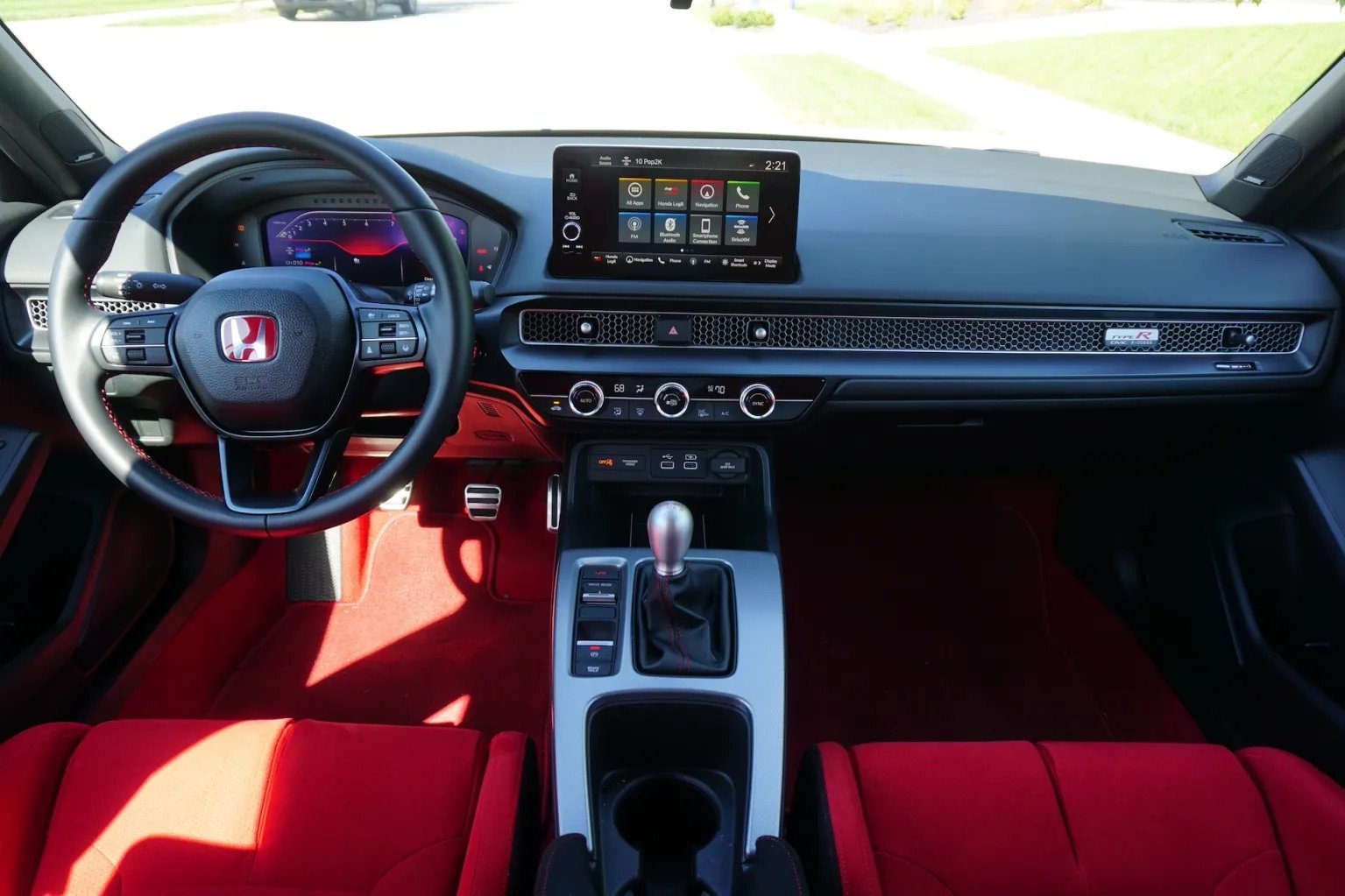


The manual transmission is dying. Honda knows it. And Honda doesn’t care.
American Honda VP of Auto Sales Lance Woelfer laid it out plainly at the IndyCar Freedom 250 race in Washington, D.C., telling reporters that the take rate on stick shifts “continues to be a smaller and smaller portion of the market” and will “probably continue to shrink, honestly.” Then, in almost the same breath, he promised Honda would keep building them anyway.
“We see very little demand going in, but we’re going to have them in the line,” Woelfer said.
That’s a curious business posture for an automaker navigating a global market obsessed with efficiency, electrification, and automation. But Honda has always been a little weird about this stuff. The company that built the S2000, the original NSX, and decades of Civic Si models has never fully surrendered to the spreadsheet crowd.
Right now, Honda offers manual transmissions in four vehicles across its two brands. The Civic Si and Civic Type R carry the flag on the Honda side. The Acura Integra A-Spec offers a six-speed as optional equipment, while its sharper sibling, the Integra Type S, pairs the manual with a more aggressive chassis and powertrain package. That’s a respectable lineup in 2025, when most competitors have quietly deleted the third pedal from everything but their halo cars.
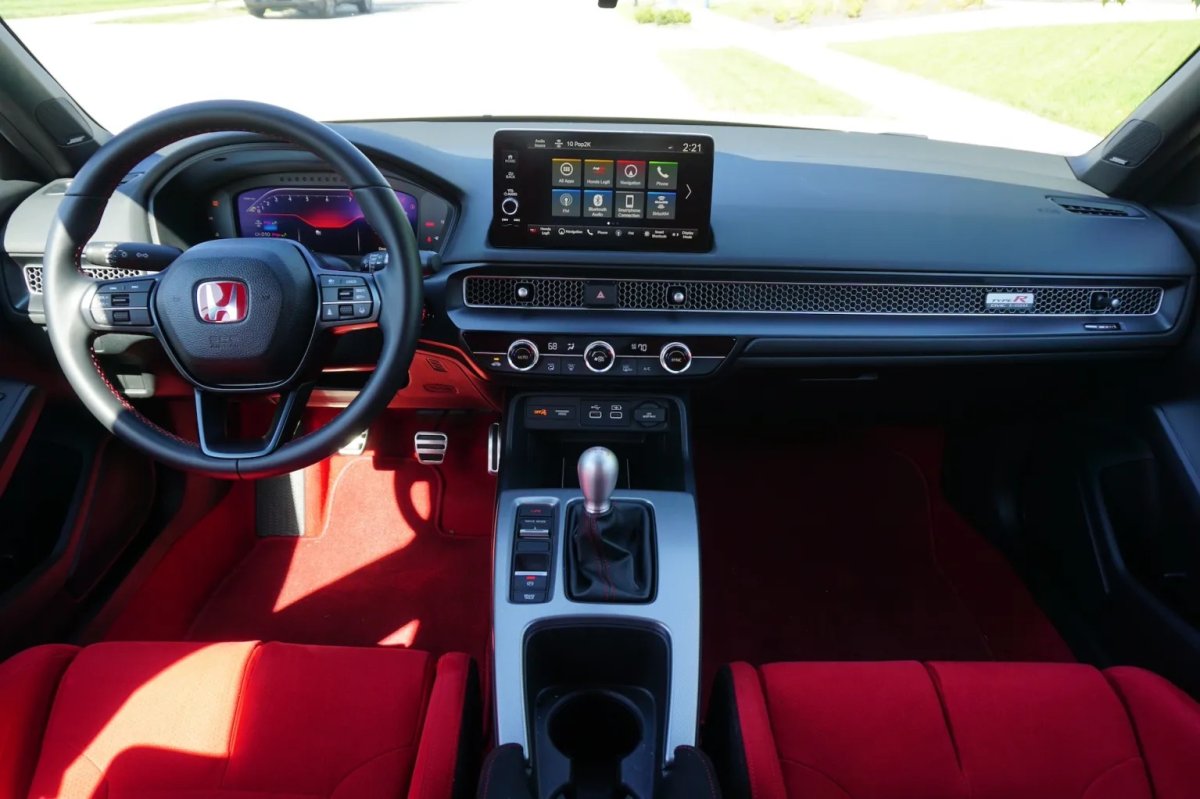
The context here matters. Last July, Honda announced it would pause production of the 2027 Civic Si and Integra A-Spec, a move that sent a chill through the enthusiast community. It looked like the beginning of the end. Honda later walked it back, confirming the Si would return with the next-generation Civic in 2028. But it stopped short of guaranteeing a manual would come with it.
Woelfer’s comments at least suggest the manual remains part of the plan. Reading between the lines, the Si feels safe. The non-Type S Integra with a stick is harder to bank on, especially when the optional take rate on that car was never strong to begin with.
When pressed on whether Honda could promise enthusiasts a long-term commitment to manuals, American Honda CEO Eiji Fujimura went philosophical rather than contractual. Sometimes I need to get back to Soichiro Honda on some things,” he said, “but we always think about the enthusiasts, and we always think about their dreams.
That’s a lovely sentiment. It’s also not a guarantee.
The tension is real. Every manual transmission Honda bolts into a car is a bet against the market. Dual-clutch automatics are faster. CVTs are cheaper to produce. EVs don’t need transmissions at all. The business case for a row-your-own gearbox gets thinner every model year, and Woelfer didn’t sugarcoat that reality.
But Honda has long understood something its competitors often forget. Brand loyalty among enthusiasts is not built on horsepower figures or quarterly sales targets. It’s built on trust, on the belief that somewhere in the lineup there’s a car made for people who actually like driving.
The 2028 Civic Si will be the next real test. If it shows up with a manual and a turbo four, Honda’s credibility holds. If it doesn’t, no amount of quoting the founder will matter.
Share this Story