
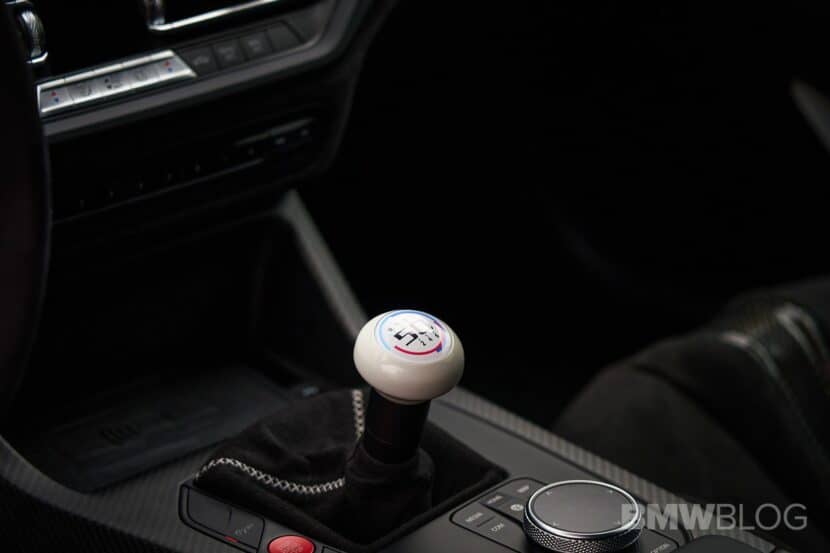


Three BMW M models still offer a six-speed manual in 2026. Mercedes-AMG and Audi Sport abandoned the third pedal years ago. That gap between BMW and its German rivals keeps widening, and it’s becoming both a badge of honor and an engineering headache.
Michael Keller, BMW’s Vice President of Product Management Americas, told BimmerLife the company intends to hold on to the manual “as long as we can.” He cited market demand, customer passion, and a willingness to work more closely with the shrinking pool of suppliers still capable of building the hardware. “I see a bright future,” he said.
That optimism lands in a landscape full of obstacles. Take rates are slipping. Torque figures keep climbing beyond what existing six-speed units can handle.
Driver-assistance systems are designed around automatics. Fuel-efficiency regulations favor two-pedal setups. Every trend in the modern car business points toward extinction for the stick shift.
And yet BMW keeps finding workarounds. The M3 CS Handschalter, a North America exclusive, exists because the U.S. is BMW M’s largest market and the one where customers most often spec the manual. It’s a niche product built for a niche audience, but that audience punches above its weight in loyalty and brand evangelism.
The real tension is economic. Developing a completely new gearbox capable of swallowing the S58 engine’s full torque output would cost a fortune, and the volumes would never justify the investment. BMW has already shown its hand on the compromise: cap the torque.
The automatic M2 makes 443 pound-feet. The manual gets 405. The limited-edition 3.0 CSL played the same trick. German business newspaper Automobilwoche suggests this approach could be the manual’s lifeline going forward — artificially restraining the engine to keep an aging transmission alive.
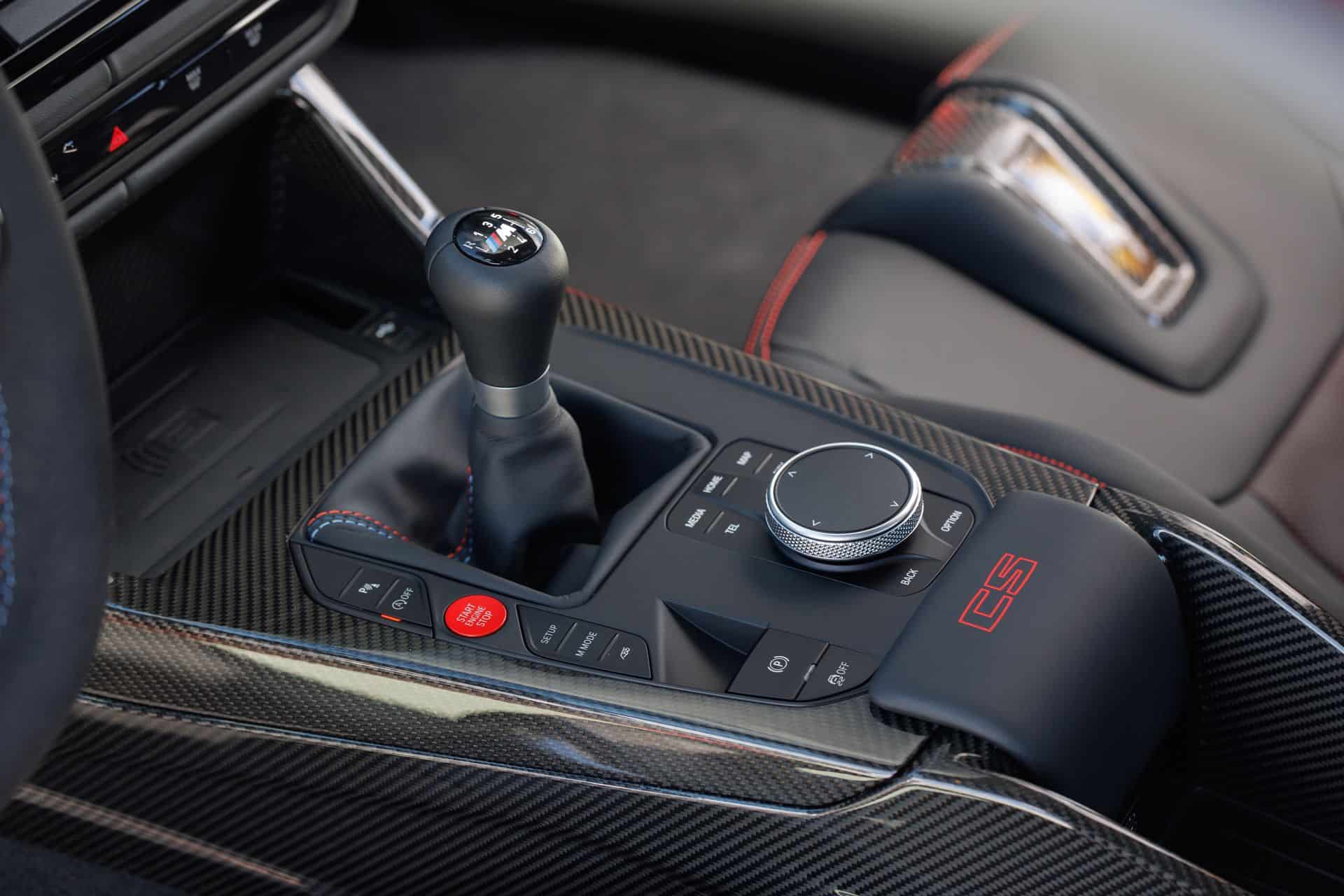
That’s the quiet bargain BMW is striking with enthusiasts. You get three pedals, but you don’t get everything the engine can deliver. For most buyers who care about the ritual of shifting, that trade-off is painless. The engagement matters more than the last 38 pound-feet.
The timeline, though, is unforgiving. BMW has reportedly extended the current M3 G80’s production run through next summer, but the next-generation M3 is widely expected to go automatic-only. The M2 and M4 are believed to carry the manual option through mid-2029, then their life cycles end too.
Sylvia Neubauer, BMW M’s Vice President of Customer, Brand, and Sales, said in April that engineers remain invested in manuals. Keller echoed that sentiment. But neither executive offered specifics about what happens after the current generation of M coupes runs its course.
Three years is not a bright future. It’s a runway. BMW deserves credit for maintaining the option when every competitor and every market force says to let it go.
The supplier base is thinning. The regulations are tightening. The customers who actually buy manuals remain a committed but modest minority.
What BMW is really doing is managing a graceful exit while calling it a strategy. The special editions will keep coming. The Handschalter badges will keep selling. Enthusiast forums will keep celebrating each announcement as proof that the manual lives. And slowly, model by model, the option will disappear from the configurator.
The stick shift isn’t dying because BMW wants it dead. It’s dying because the math no longer works, and no amount of executive optimism changes the spreadsheet. BMW is simply the last automaker willing to lose money on the bet that passion still counts for something.

Share this Story