
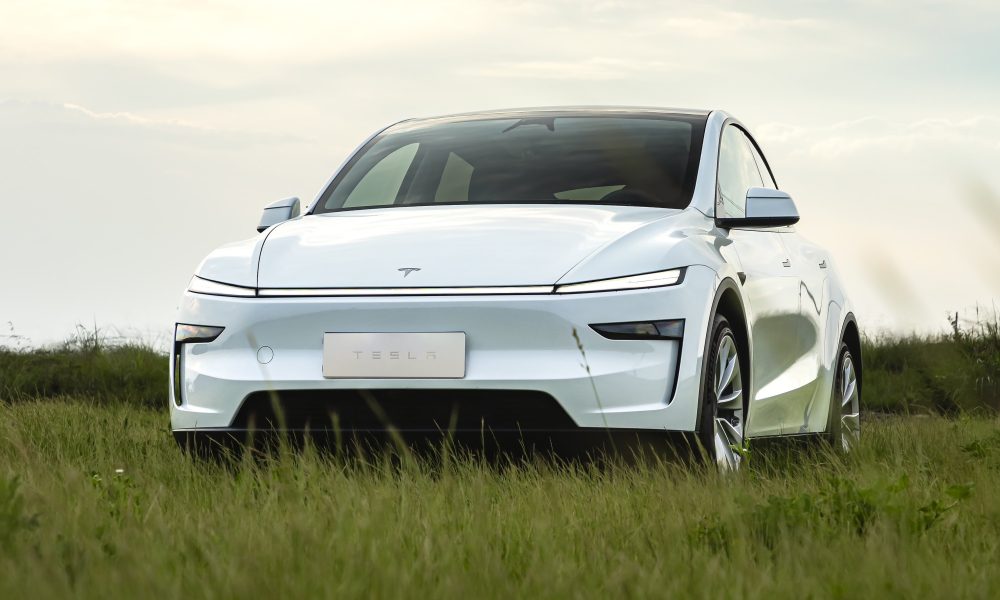


Tesla bumped Model Y prices this week for the first time in two years, a move that looks like confidence on the surface. Dig a little deeper, and it lands alongside freshly unredacted Robotaxi crash data that paints a more complicated picture of where the company actually stands in mid-2026.
The price hikes are surgical. The Model Y Premium RWD climbs $1,000 to $45,990, and the Premium AWD gets the same bump, landing at $49,990. The Performance trim rises a more restrained $500 to $57,990, while the two base models at $39,990 and $41,990 don’t move at all.
It’s a classic margin play. Protect the volume at the bottom, squeeze a few more dollars from buyers who were already willing to pay up. After nearly two years of relentless discounting that battered residual values and infuriated early adopters, Tesla is finally testing whether the 2026 refresh has built enough goodwill to support firmer pricing.
The increases are modest, under three percent on affected trims, and unlikely to push anyone into a Hyundai Ioniq 5 dealership. Federal tax credits still apply for eligible buyers. The real signal is that Tesla believes demand for the refreshed Model Y is durable enough to stop giving money away.
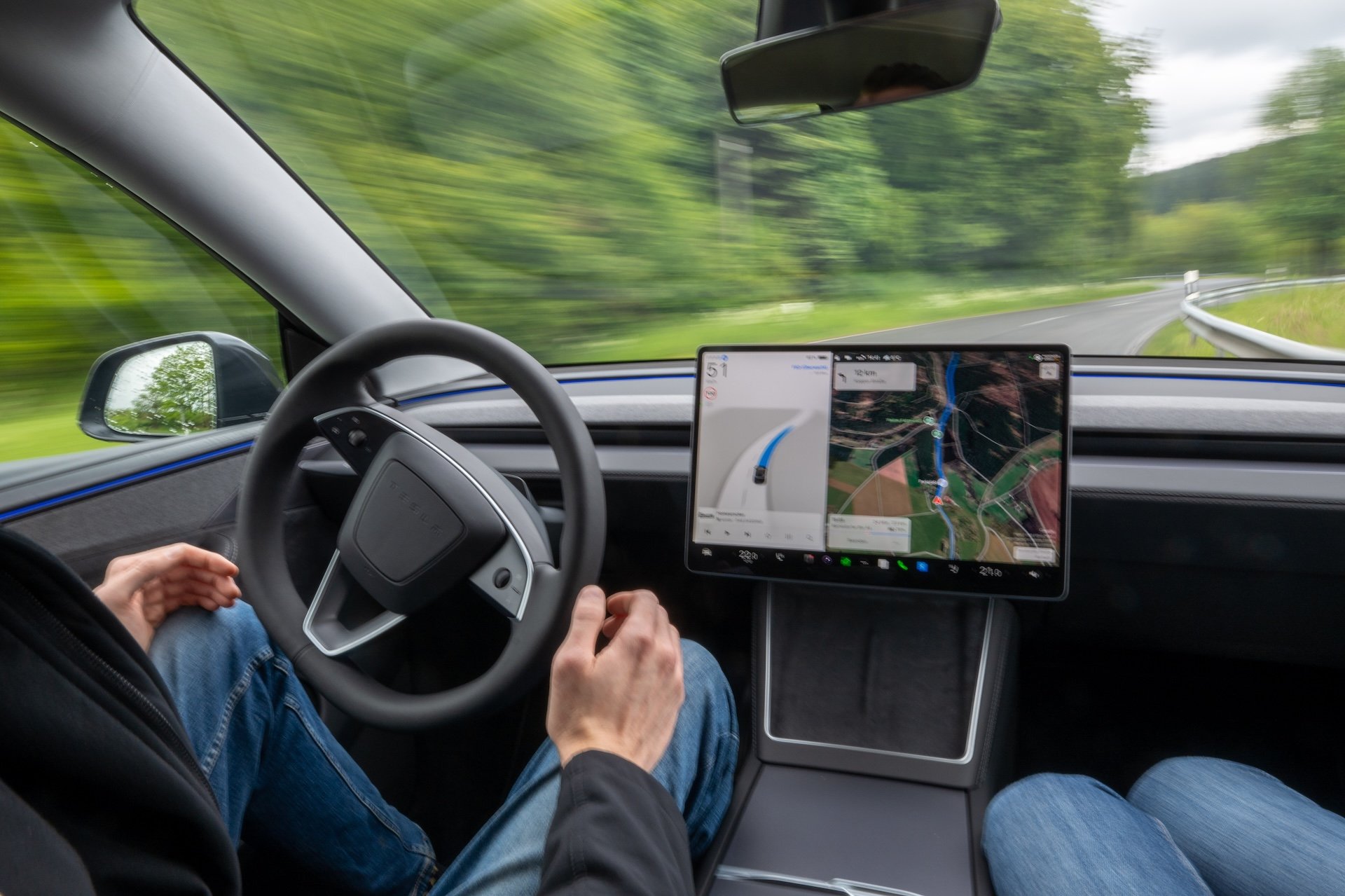
But the same week brought a dose of transparency that Tesla didn’t volunteer so much as finally stop redacting. Newly unredacted NHTSA filings reveal 17 Robotaxi incidents in Austin since last summer, including two low-speed crashes caused by human teleoperators remotely piloting the vehicles.
In the first, a teleoperator drove a Robotaxi onto a curb and into a metal fence after the autonomous system struggled to move forward. In the second, a remote operator collided with a construction barricade at roughly nine miles per hour. Both happened with no passengers aboard. Neither was catastrophic.
Tesla has told lawmakers that teleoperators can only drive below 10 mph, strictly for repositioning vehicles stuck in awkward spots. That’s a narrow mandate, and even within it, things went sideways. Literally.
Other incidents in the unredacted data include two mirror strikes on parked cars caused by the autonomous system, a dog strike in September 2025 (the dog was fine), and a left turn into a parking lot chain. Most of the remaining 17 events involved other drivers hitting the Tesla, not the other way around.
Compared to Waymo and Zoox, the raw crash count is small, but so is Tesla’s operational footprint. CEO Elon Musk acknowledged last month that safety remains the primary bottleneck to expansion, calling the rollout pace “very cautious.” NHTSA recently closed a separate probe into FSD repeatedly hitting parking lot obstacles, the kind of low-drama urban furniture that autonomous systems should handle without breaking a sweat.
On one side, Tesla has enough pricing power to raise Model Y stickers without flinching. The refreshed crossover remains America’s best-selling EV, and two years of price wars seem to be ending on Tesla’s terms.
On the other side, the autonomous future that’s supposed to justify Tesla’s valuation premium is still bumping into fences at walking speed. Teleoperators, human beings sitting at remote consoles, are crashing vehicles that are supposed to eventually need no human at all.
Tesla deserves credit for unredacting the data. Transparency at this stage matters more than perfection. But investors and regulators are watching the gap between Tesla’s pricing confidence and its autonomy reality.
One story suggests a maturing automaker comfortable with its product. The other suggests a robotaxi program still learning how curbs work. The question is which one the stock price is actually trading on.
Share this Story