
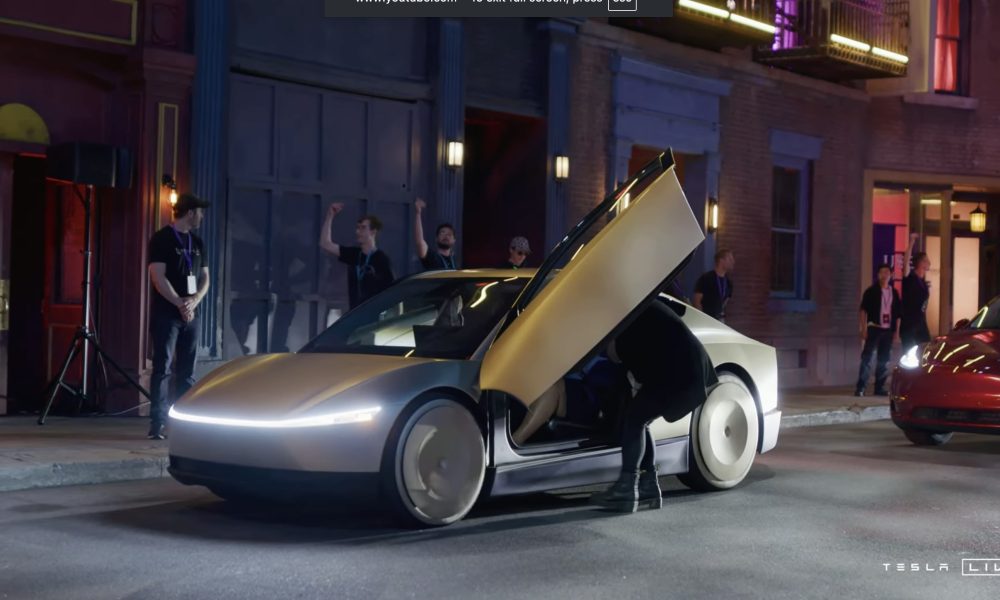


At 3:45 p.m. Central on November 17, Tesla dropped 200 Cybercabs onto the Texas Department of Motor Vehicles automated vehicle register in a single batch. One Model Y came along for the ride.
That one filing pushed Tesla’s driverless-registered fleet in Texas to 1,507 vehicles. Waymo sits at 1,321.
Before the batch landed, Waymo led by 15. Tesla first passed its rival on November 10, lost the lead, then took it back with one administrative upload. This race is being run, at least partly, in paperwork.
The register says nothing about where those cars will drive, or whether any of them will carry a paying passenger. Registration is permission, not proof of service.
Tesla’s Cybercab count had been stuck at 573 since late October. It now stands at 773, and the two-seater without a steering wheel makes up 51.3 percent of Tesla’s registered Texas fleet. Model Ys account for the remaining 734.
Waymo’s Texas fleet is split between 874 Jaguar I-PACEs and 447 Ojai vehicles. Different hardware, same scoreboard.
The new Cybercabs are most likely headed for Dallas. On the October earnings call, AI chief Ashok Elluswamy said flatly, “next month, we’ll be launching in Dallas.” A video posted over the weekend showed more than 50 Cybercabs parked in rows at a Dallas lot, with more on a car carrier nearby.
Tesla has not announced a start date.
Dallas is not new ground. Model Y Robotaxis there have run with nobody in the driver’s seat around the clock since November 11. Tesla’s first Robotaxi Safety Report credits the city with 608,130 miles without a safety monitor between January 22 and October 18, second only to Austin.
Public Cybercab rides, though, have stayed confined to Austin since the car joined the service in September. The purpose-built car is still waiting for its second city.
Tesla is clearing factory floor to make sure it has plenty of them when that city opens. Cybertruck production at Giga Texas winds down by the end of summer 2027 to make room. The pickup that once headlined the company’s product story is being pushed aside for a gold two-seater.
This week Tesla also announced a €3 billion expansion of Giga Berlin. It includes a new building designed to produce up to 1 million Cybercabs a year starting in 2029.
The cars leaving Giga Texas now look finished. Drone images from November 18 show rows of production Cybercabs with a flush-mounted Starlink V5 terminal on the rear hatch, sitting far cleaner against the body lines than the bolted-on panel shown in July and August. That’s factory tooling, not retrofit work.
The Starlink hardware shows up while Elon Musk trades shots with Transportation Secretary Sean Duffy. The fight is over the FAA’s refusal of free terminals before a November 13 ground stop that canceled roughly 12,462 flights. Duffy said testing of an earlier Starlink version turned up “some issues,” without saying what they were, and Musk answered with a facepalm emoji.
Tesla is also squeezing more out of the fleet it already has. Austin owners dropping cars at service centers are now getting prompts to ride a Robotaxi instead of taking a loaner or an Uber credit. Every service customer becomes a rider, and every idle Robotaxi gets a fare.
Private buyers are next. Select customers have been invited to buy a Cybercab at $29,990, with a mandatory $299 monthly Autonomy Subscription. Deliveries are targeted for December in the same five Texas cities where Robotaxi already operates.
The register will keep climbing. The real question is how many of those 773 Cybercabs are actually moving people by the time the next batch posts.
Share this Story