
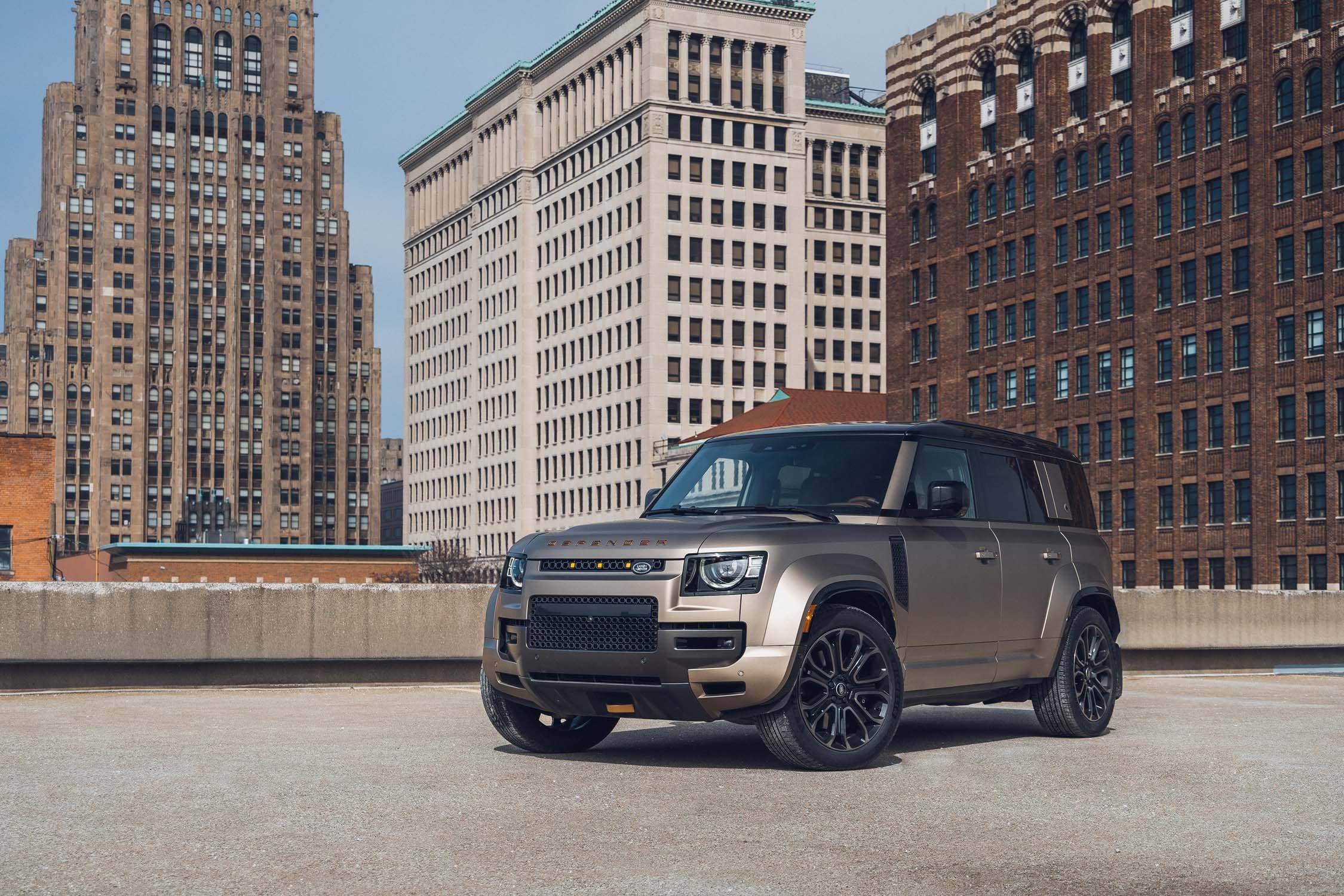


Five months after recalling 170,000 vehicles over a failing DC-DC converter in its 48-volt hybrid system, Jaguar Land Rover is back at NHTSA’s door with another 23,677 SUVs suffering from the same basic problem.
The April 2026 recall addressed the hardware side. This time, a software flaw is to blame, one that can cause the same overloaded current, the same loss of drive power, and the same terrifying loss of exterior lighting while driving.
An investigative committee found that insufficient electrical load balancing in the software could trigger converter failure during high-demand situations. They also uncovered a separate bug that could knock the converter offline at startup. Two distinct software issues hiding behind a hardware fix that was supposed to close the book.
The recall spans nine model ranges built between 2019 and 2024, including the Range Rover Sport, Defender, Range Rover, Discovery, Discovery Sport, Evoque, Velar, F-Pace, and E-Pace. The Range Rover Sport accounts for the biggest chunk at 10,973 units, followed by the Defender at 8,100 and the Range Rover at 3,849. On the other end, just three Discovery Sports made the list.
When the converter fails, warning lights tell the driver to pull over. If they don’t act quickly enough, the battery drains, the vehicle coasts to a stop, and the lights go dark. On a highway at night, that sequence is not abstract. It is life-threatening.
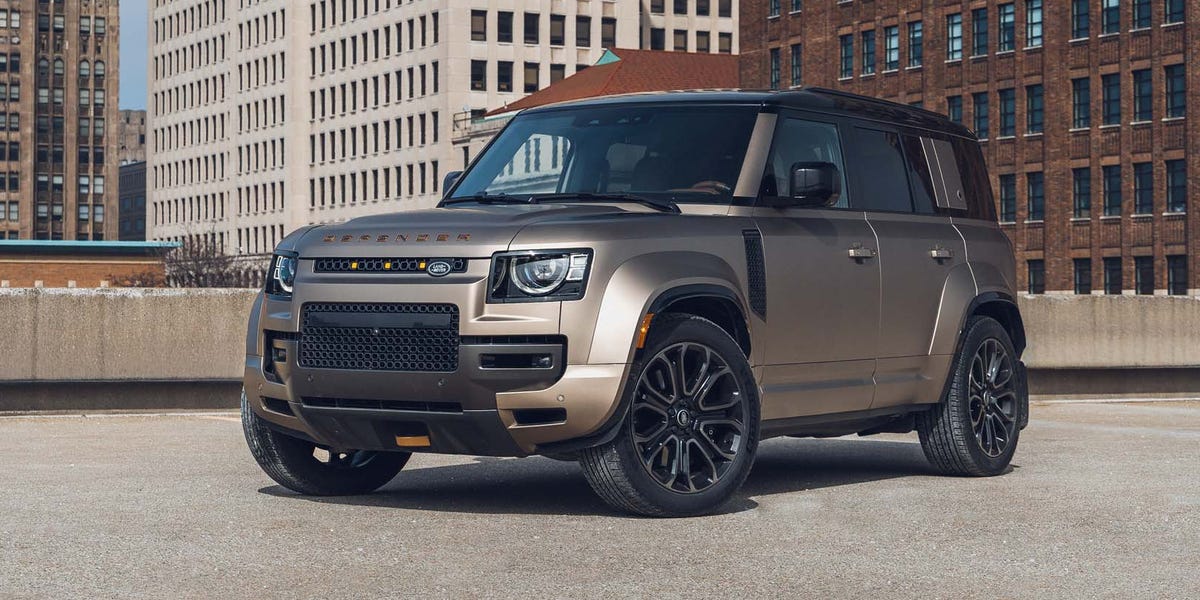
JLR has logged 393 claims and field reports between April and September 2026 related to this issue. No crashes, no injuries. That is fortunate, but 393 complaints in five months suggest the software problem is far from a theoretical edge case.
The fix this time is a software update that patches the bug and introduces a “limp home” mode, allowing the vehicle to maintain limited function if the converter drops offline rather than simply dying on the road. Dealers will install it at no cost. Owner notifications go out by November 13, 2026.
JLR’s 48-volt mild hybrid architecture runs across nearly its entire lineup. It pairs an electric battery with a gasoline engine to boost fuel economy and supplement acceleration. The DC-DC converter is the electrical bridge that manages voltage between the two systems. When it fails, neither system compensates, and the vehicle simply shuts down.
Two recalls in five months targeting the same component on the same vehicles tells a clear story about the complexity lurking inside mild hybrid powertrains. These are not full EVs with thousand-pound battery packs. They are conventional SUVs with a layer of electrification that, when it breaks, can leave a driver stranded in the dark.
JLR says the software update will resolve both newly discovered issues. Whether a third recall follows remains to be seen.
Share this Story