
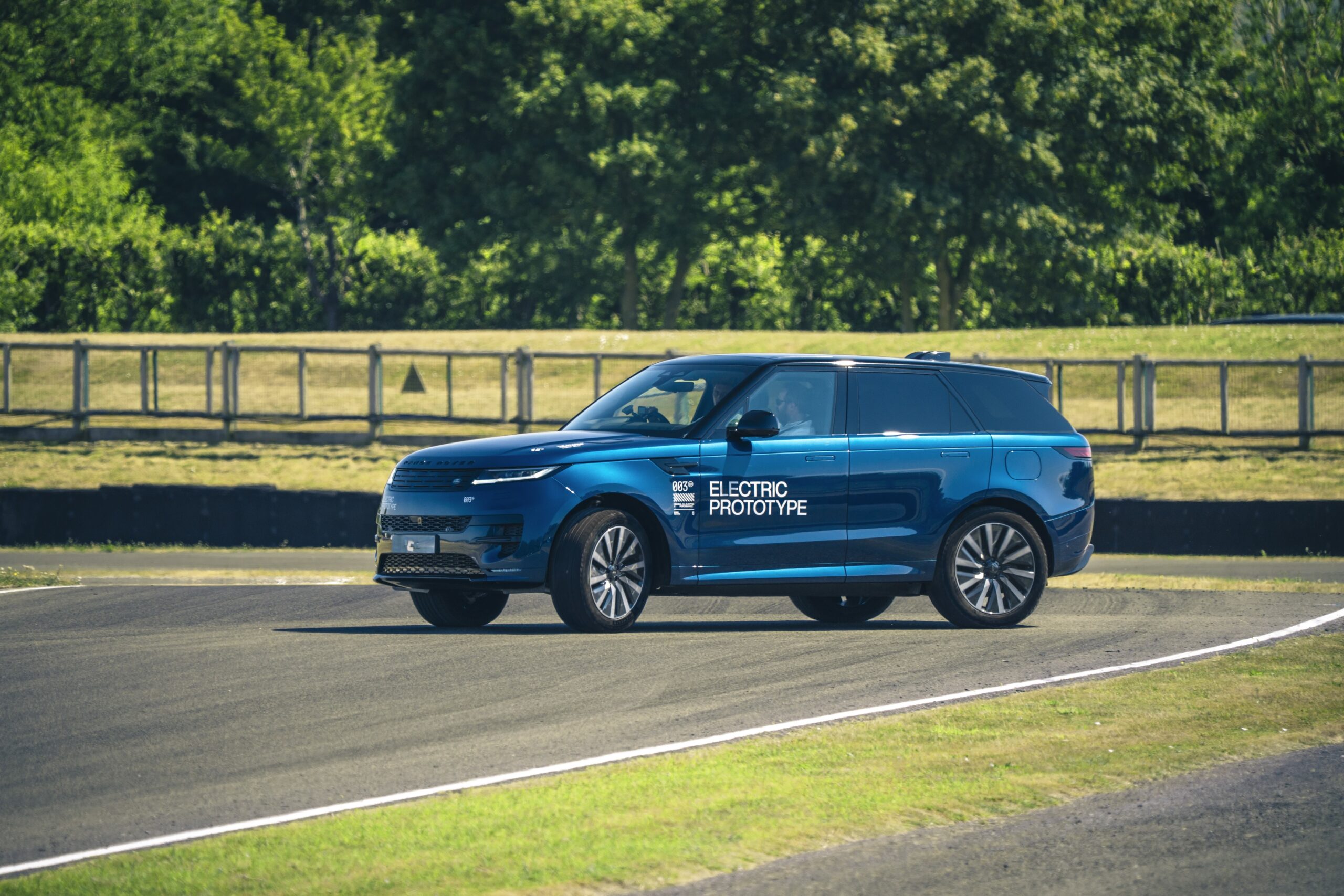


Land Rover pulled the covers off a production-ready prototype of the Range Rover Sport Electric at the 2026 Goodwood Festival of Speed. The message was unmistakable: the brand’s performance SUV is getting a powertrain that could eat its own V-8 alive.
Two electric motors drive all four wheels, producing a claimed 542 horsepower and 637 pound-feet of torque. That torque figure alone dwarfs everything in the current Range Rover Sport lineup except the 626-hp SV. Anyone who understands electric motors knows that instantaneous torque delivery changes the math entirely.
The SV’s twin-turbo 4.4-liter V-8 might still hold the horsepower crown on paper, but the electric variant won’t need to wait for boost to build.
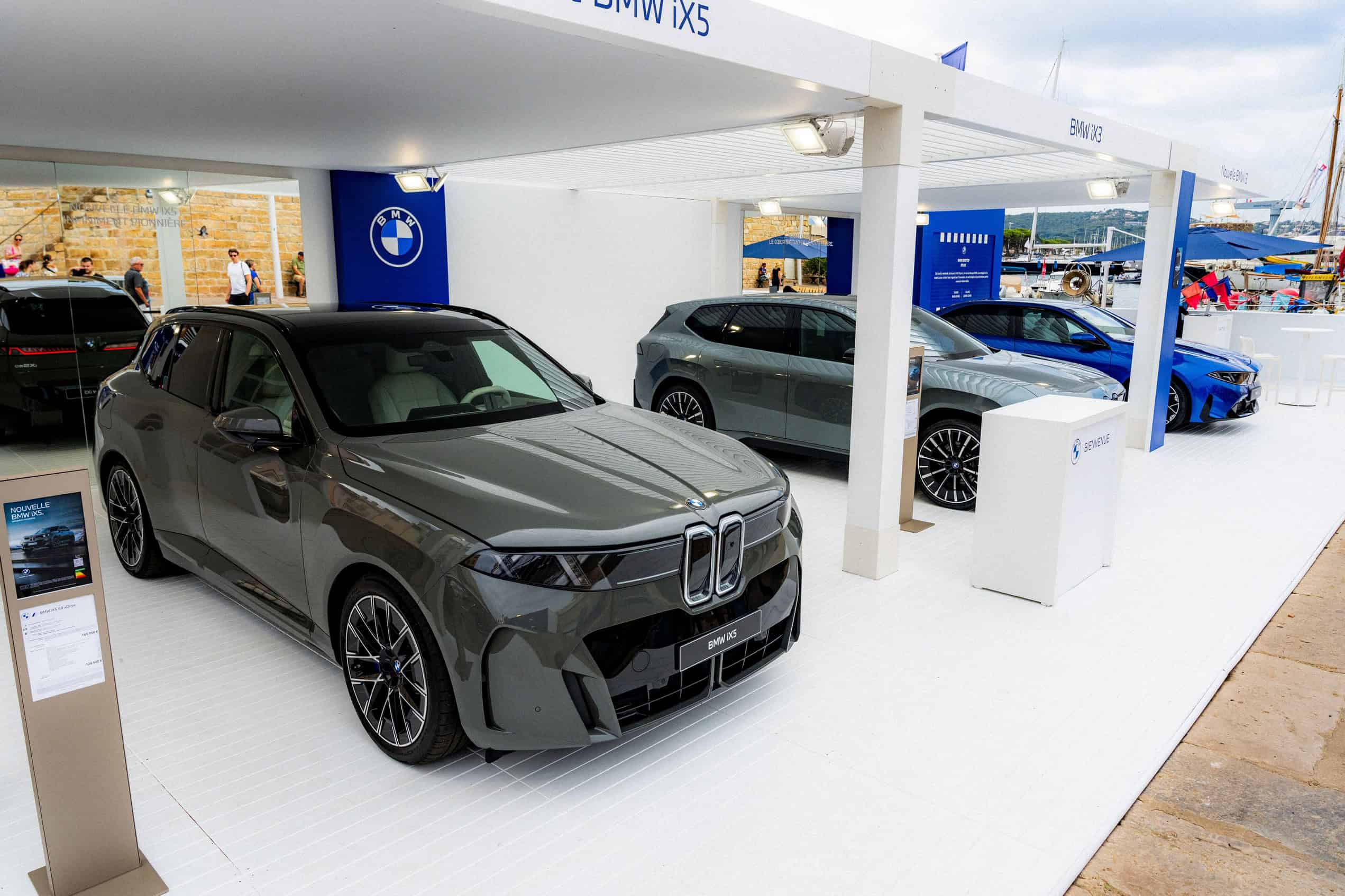
Driving range is pegged at up to 380 miles on the European WLTP cycle. Translate that to EPA numbers, which are consistently more conservative, and Land Rover expects north of 300 miles. That puts it in competitive territory with the BMW iX, Mercedes EQS SUV, and the Cadillac Escalade IQ, though the Range Rover Sport plays in a slightly different sandbox where off-road credibility still matters.
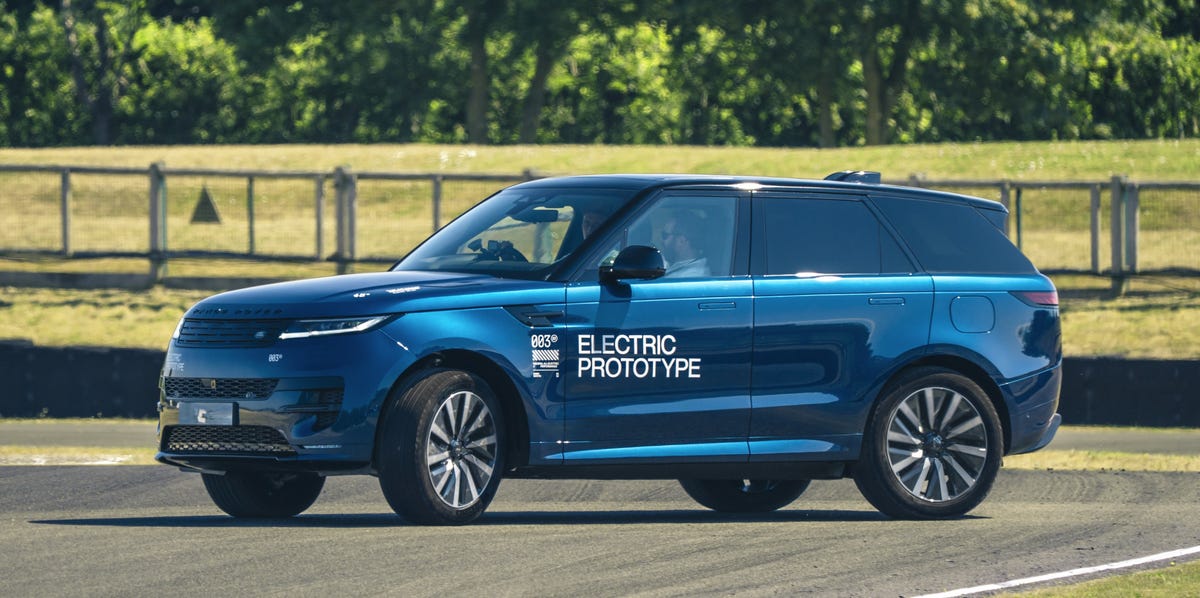
The exterior changes are almost aggressively subtle. A blanked-off upper grille panel does its best impersonation of actual slats, and the only real tell from behind is the absence of exhaust tips. Land Rover clearly wants this to look like a Range Rover Sport first and an EV second.
That’s a deliberate choice, and a smart one. The customers writing six-figure checks for these trucks aren’t looking for a science project on wheels.
The timing here is interesting. Land Rover has been promising an electric version of the full-size Range Rover for years, and that program has been plagued by delays tied to JLR’s troubled Electrified Modular Architecture. Yet here comes the Sport Electric, shown without camouflage and looking ready for a showroom, potentially arriving in 2027.
Whether it actually hits that window is another matter. JLR’s track record with EV timelines inspires exactly zero confidence.
Meanwhile, the brand has been ruthlessly pruning its combustion options. The turbocharged four-cylinder is gone from both the Discovery and Defender lineups. The naturally aspirated 5.0-liter V-8 has been killed off in all Defender trims except the Octa. Land Rover is simultaneously narrowing its ICE portfolio and planting a flag in electrification, a two-front strategy that only works if the electric products actually show up on time.
The competitive landscape has shifted dramatically since Land Rover first started talking about going electric. Tesla’s Model X is aging. The Rivian R1S has carved out a niche. Porsche’s electric Cayenne is circling. Every month of delay costs market share that gets harder to reclaim.
Land Rover’s press release claimed the Sport Electric has the power to redefine performance SUVs. That’s a bold declaration from a company that hasn’t delivered a single battery-electric vehicle to a customer yet. The prototype looks fantastic and the specs are genuinely compelling, but prototypes don’t pay the bills and promises have an expiration date.
The real test comes when the Sport Electric meets a sticker price, a delivery date, and a charging network that luxury buyers actually trust. Until then, it’s a very pretty photograph from Goodwood.
Share this Story