
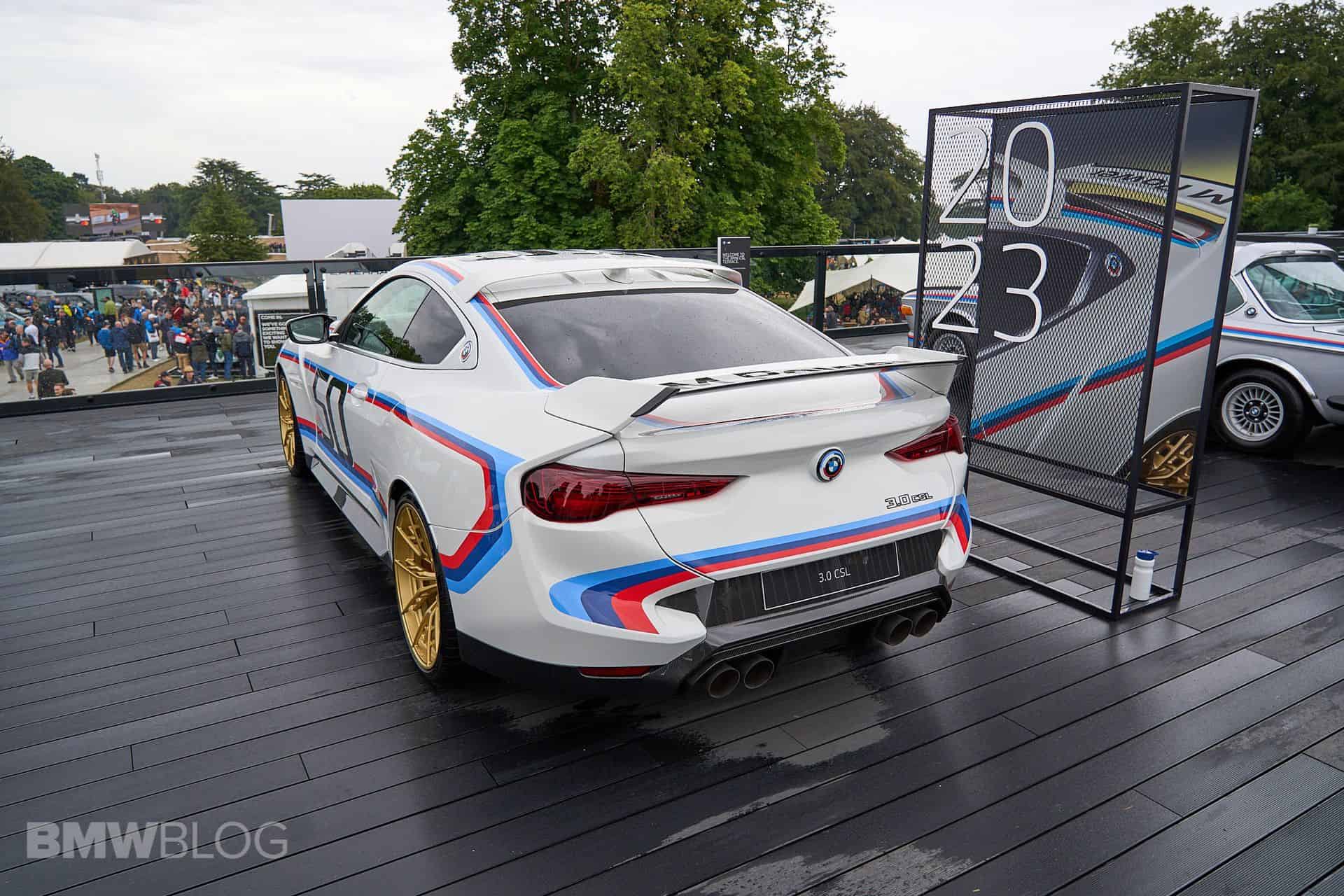


The BMW 3.0 CSL was supposed to be a 50-unit run. Clean number, clean story, easy to print on a brochure. VIN-level production records now show BMW actually built 53 of them, and the three extras raise questions the automaker hasn’t answered.
The data comes from MDataWorks, an independent tracker with no ties to BMW, and it lays out the discrepancy in plain terms. Fifty cars carry sequential VIN endings from 001 to 050. Three more carry endings of 086, 568, and 661, placed well outside the numbered sequence. All three were delivered in Germany.
BMW hasn’t said why those three exist. They aren’t prototypes. They’re built to the identical spec as the other 50: Alpine White 3 paint, manual gearbox, carbon-ceramic brakes with red calipers, gold wheels. No options, no deviations. There was no configurator for this car. Every single one rolled off the line the same way.
So what are they? Dealer demonstrators? Management cars? Replacements for units damaged in transit? The production data doesn’t say. But they exist, and they carry the same build sheet as the cars BMW publicly numbered and sold to collectors at roughly $750,000 each.
The geographic distribution tells its own story. Germany kept 16 of the 53, nearly a third of total production. Switzerland took five. France and the Netherlands each got four, and the UK also received four.
Italy, the country that practically invented the idea of a lightweight homologation special, got two. Oman also got two. Then there’s Guernsey, a Channel Island with 64,000 residents and one 3.0 CSL.
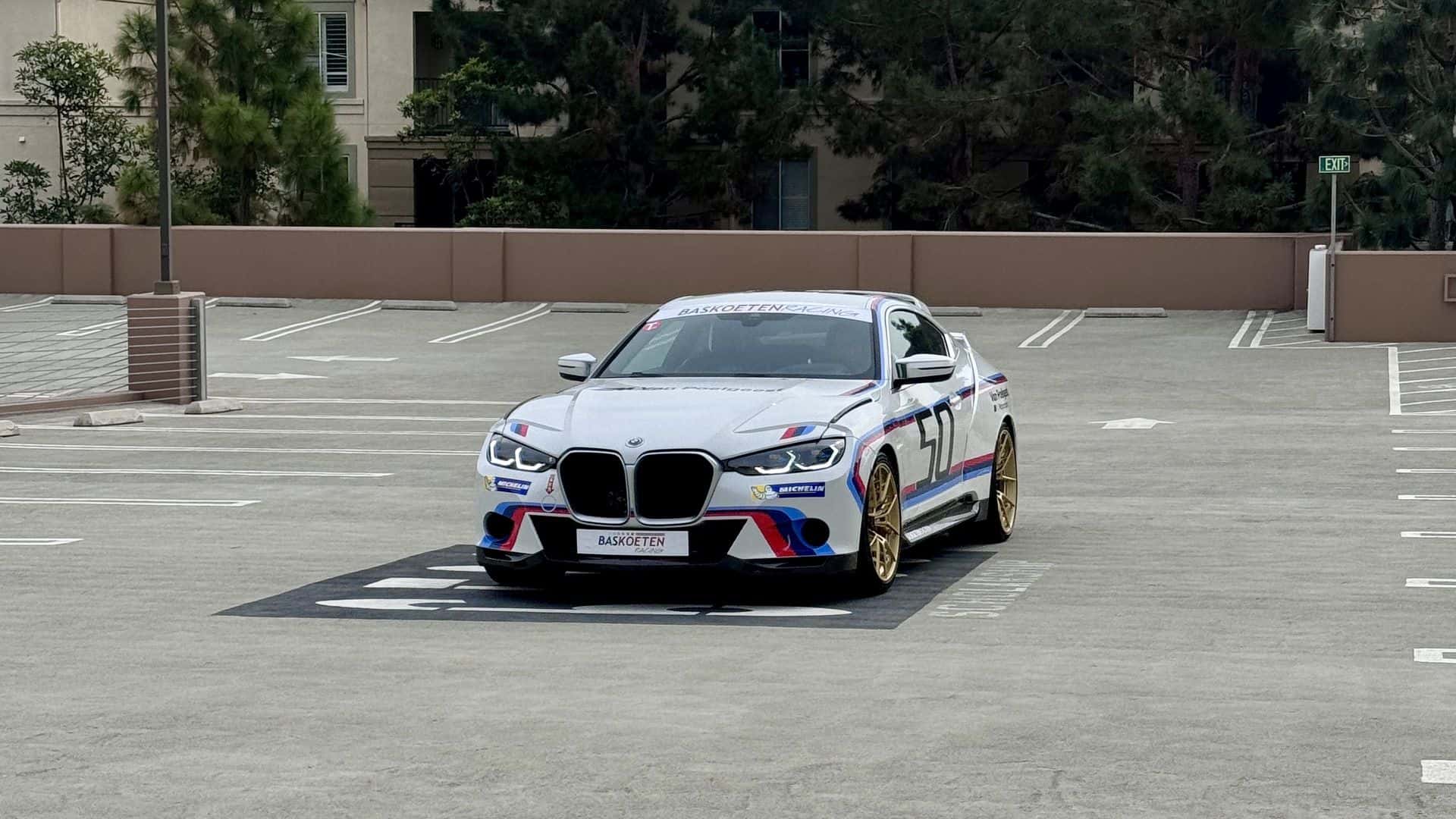
The United States, the world’s largest luxury car market and BMW’s most profitable region, received exactly one. VIN ending 047. MDataWorks doesn’t even assign the 3.0 CSL a North American region category. The lone US car is lumped in with rest-of-world left-hand-drive vehicles, suggesting it wasn’t built to American-market specifications at all.
Three 3.0 CSLs are now known to be in the US, two on the West Coast and one on the East Coast. At least two were delivered elsewhere first and brought in privately. That kind of secondary movement is typical for cars at this price point and rarity, but it underscores how little BMW prioritized American allocation.
By comparison, the M4 CSL hit 1,036 units. The M4 CS reached 1,546. The M3 CS Touring made it to 932, and the automatic M3 CS landed at 1,727. The US took hundreds of each. The 3.0 CSL, the flagship of the entire G82 lineup and the car BMW positioned as the spiritual heir to one of its most revered nameplates, got a single allocation.
Forty-seven of the 53 cars are left-hand drive. Six are right-hand drive. Twenty-two countries received at least one car. The spread is wide but thin, with single-car deliveries to Austria, Croatia, Hungary, Japan, Lithuania, Luxembourg, Malaysia, Poland, Saudi Arabia, Spain, Sweden, and Turkey.
BMW has never publicly corrected the “50 units” figure. Whether those three extra cars were always part of the plan or emerged from some internal process that added them to the build schedule remains unclear. Collectors who paid a premium partly based on exclusivity now share the field with three cars that don’t fit the official narrative. For a vehicle whose entire value proposition rests on scarcity, that gap between 50 and 53 is worth more than arithmetic.

Share this Story