
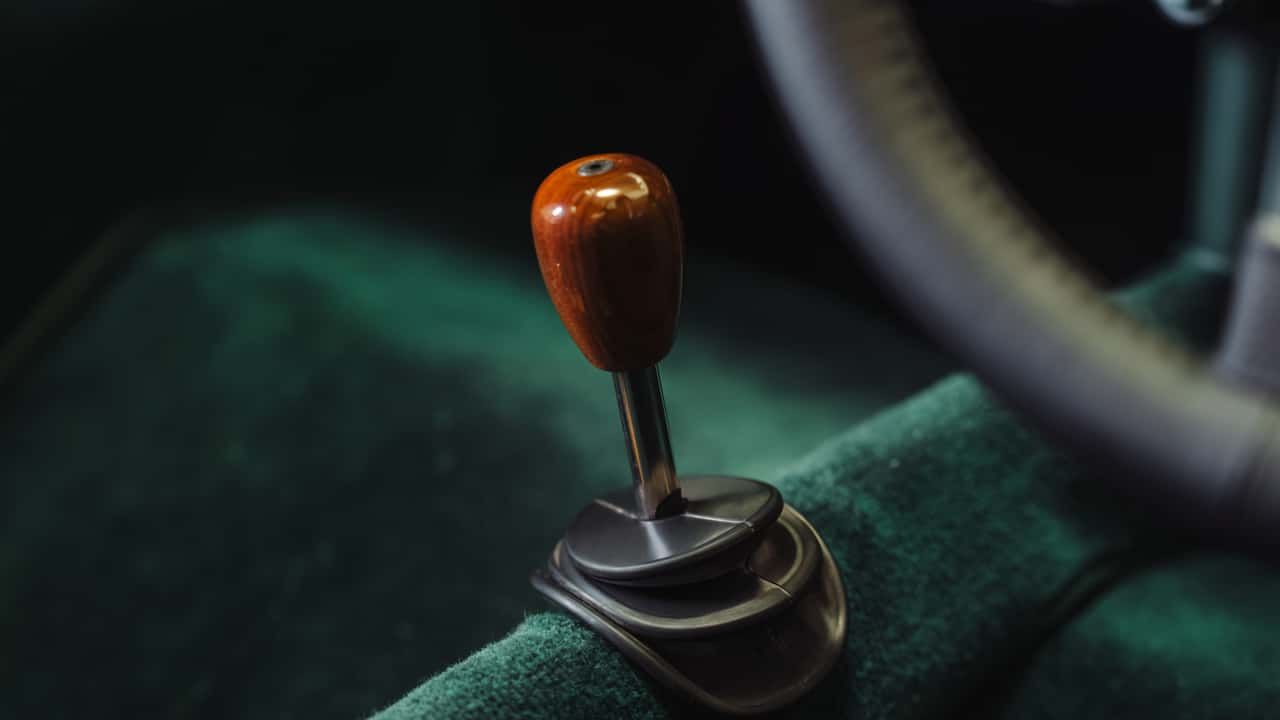


McLaren dropped a teaser on Instagram that opens with footage of the M6GT, Bruce McLaren’s first road car from the late 1960s, then cuts to glimpses of something new. The clip ends with a hand pulling back a shifter and a date: August 14, during Monterey Car Week.
Only three M6GT prototypes were ever built. That car had a five-speed manual. McLaren is clearly drawing a line from its founding DNA to whatever rolls onto the stage this week.
Rumors about a manual McLaren first surfaced roughly a month ago, with reports that the company planned to build fewer than 100 units. Internally, the car is allegedly designated P50. Pricing is expected to exceed the $2.1 million McLaren W1, which would place this comfortably in the territory of ultra-limited collectibles rather than anything resembling a volume play.
The teaser is deliberately cagey. No clean exterior shots. Brief silhouettes suggest design cues pulled from the M6GT’s proportions, but McLaren is holding back the full reveal. The powertrain hasn’t been confirmed either, though the smart money is on some variant of the company’s twin-turbo V8.
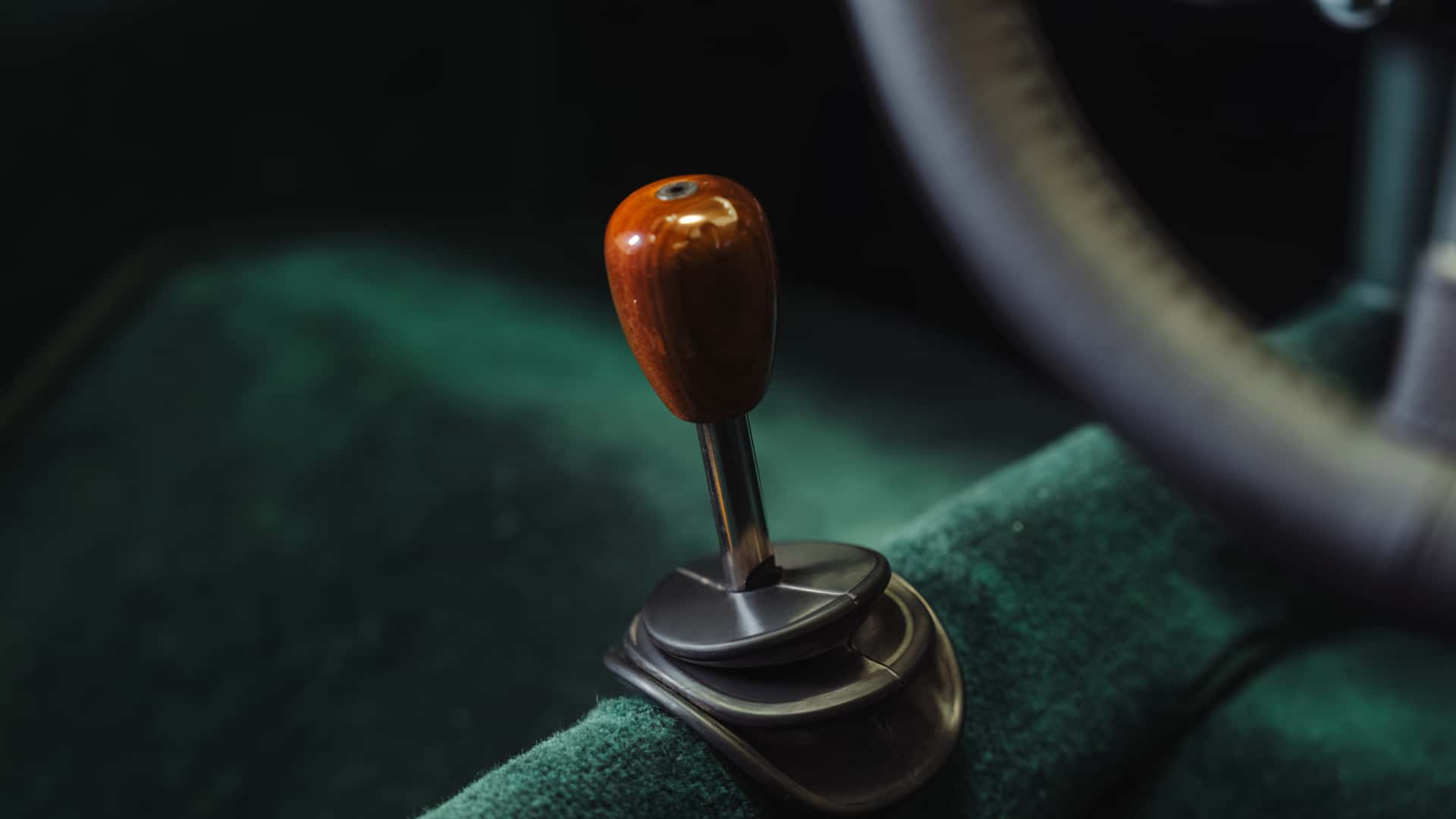
The real question is what kind of manual we’re talking about. Ferrari just debuted a “manual” in the 12 Cilindri, but Ferrari’s version is a shift-by-wire system that pairs a dual-clutch transmission with a traditional-looking stick and a clutch pedal. It can drive itself in automatic mode. It looks like a manual. It feels like a manual. It is not, mechanically speaking, a manual.
Koenigsegg has used similar technology. You get the ritual of shifting without the penalty of a less efficient gearbox, and the car’s electronics can still protect the drivetrain from ham-fisted inputs. Whether that counts as a real manual depends entirely on who you ask, and how many drinks deep into Monterey Car Week they are.
McLaren hasn’t said which route it’s taking. A true three-pedal setup mated to a modern twin-turbo V8 making north of 700 horsepower would be a genuinely rare thing in 2026. A simulated manual would be more commercially practical and easier to engineer but less likely to send collectors into a frenzy.
For a sub-100-unit run priced above $2 million, frenzy is the whole point.
The timing is calculated. Monterey Car Week has become the global stage for these kinds of announcements, where the audience is exactly the demographic that writes seven-figure checks on the spot. Ferrari chose a similar window for the 12 Cilindri manual reveal. Lamborghini, meanwhile, has publicly stated it has no interest in building a manual supercar.
Manual transmissions are being resurrected not because they’re faster or more efficient but because they sell exclusivity and nostalgia in a market drowning in dual-clutch paddle shifters and electric motors. The stick shift has become a luxury item, a deliberate inconvenience marketed as authenticity.
Bruce McLaren’s voice in the teaser, saying he hoped it would happen “somewhere down the line,” is a neat bit of emotional engineering. Whether the car behind it delivers something mechanically honest or simply aesthetically nostalgic won’t be clear until August 14.
That distinction will matter more than most people at Monterey will care to admit.


Share this Story