
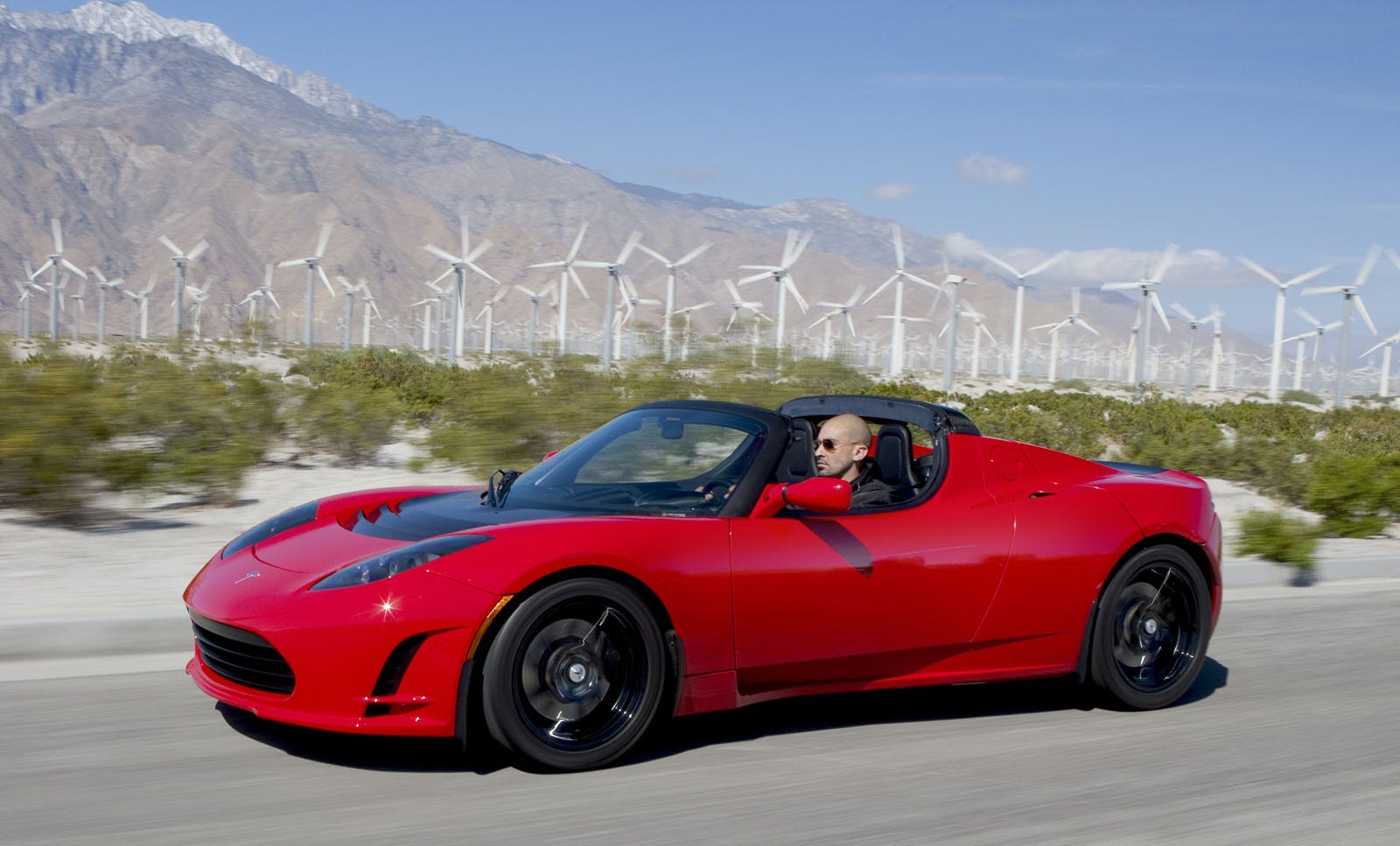


Twenty years ago, a maroon two-seater rolled into a British car meet in Palo Alto, and a stranger wrote a check for $90,000. That transaction, casual and almost accidental, was one of Tesla’s earliest retail sales. The car was one of three Roadsters in existence.
John Voelcker, a longtime automotive journalist, had talked Tesla’s marketing chief Mike Harrigan into bringing the prototype to the All British Car Meet in September 2006. The logic was thin but clever: Lotus built the Roadster’s body, so it technically qualified as British. The real reason was simpler.
Voelcker knew wealthy Silicon Valley car guys would be milling around, and he figured at least one might bite. Harrigan was skeptical. He showed up anyway.
The Roadster parked on a small hill near the entrance, reserved for rarities. A crowd formed immediately. Harrigan and business development director Diarmuid O’Connell fielded questions from a swarm of curious onlookers.
By the end of the day, someone had walked up, talked at length, walked away, come back, and handed over a personal check.
Voelcker’s reward for orchestrating the sale was a ride. But there was a catch. The Roadster had 14 percent charge remaining and needed to get back to Tesla’s headquarters in San Carlos, 19 miles north, so Harrigan could only manage one full-throttle launch.
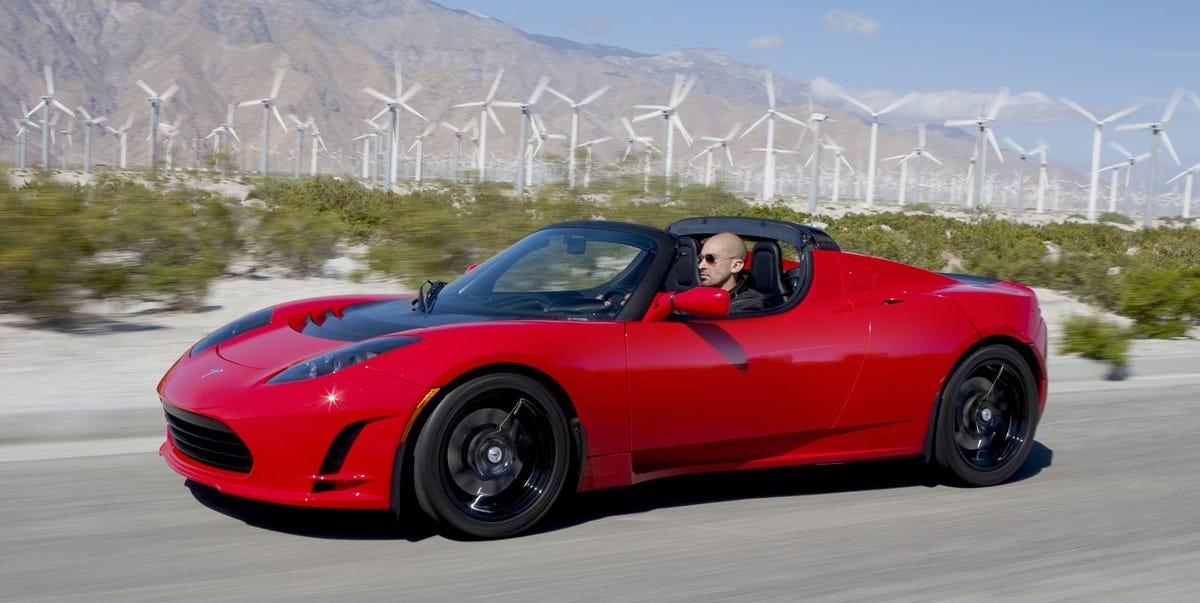
The details of that ride read like a time capsule of where electric cars stood in 2006. The racing seat was snug. The dash buzzed and rattled at different speeds, unmistakably British in its build quality.
Wind noise dominated above 20 mph with the top down. A transit bus idling next to them at a stoplight was louder than the car.
Then the light turned green. Harrigan floored it. Zero to 75 in roughly five seconds, that instantaneous wall of torque that every EV owner now takes for granted but that almost nobody on Earth had experienced in a street-legal car.
Harrigan lifted off, regenerative braking threw Voelcker forward against his belt, and the demonstration was over. They drove the rest of the way to San Carlos like retirees.
The ride ended at a row of garage doors in an industrial park. No ceremony. No photographers. Voelcker doesn’t even have a picture of himself in the car.
But the moment stuck. Within a year, he pivoted his career toward covering hybrids and EVs, eventually editing Green Car Reports and publishing more than 12,000 articles on the electrification of transportation. One ride redirected a professional life.
That first Roadster proved something the auto industry spent another decade trying to deny. A battery-electric car could match or exceed the visceral thrill of gasoline. When the Model S arrived in 2012, the broader market finally acknowledged it.
Now every major automaker sells EVs in the United States, and the political battles over them are louder than any motor whine from that 2006 prototype.
The company that once sent two employees and a hand-built prototype to a British car show on a lark now has a market capitalization dwarfing most of the traditional auto industry combined. Harrigan’s chrome-yellow 1932 Ford highboy hot rod, parked next to the Roadster that day, probably told you everything about the kind of people building Tesla in those early years. Gearheads, not ideologues.
Voelcker still wonders where that maroon Roadster ended up. Three existed in the world when he climbed into one. Somewhere, it sits in a garage or a collection, holding 14 percent of a charge and all of a beginning.
Share this Story