
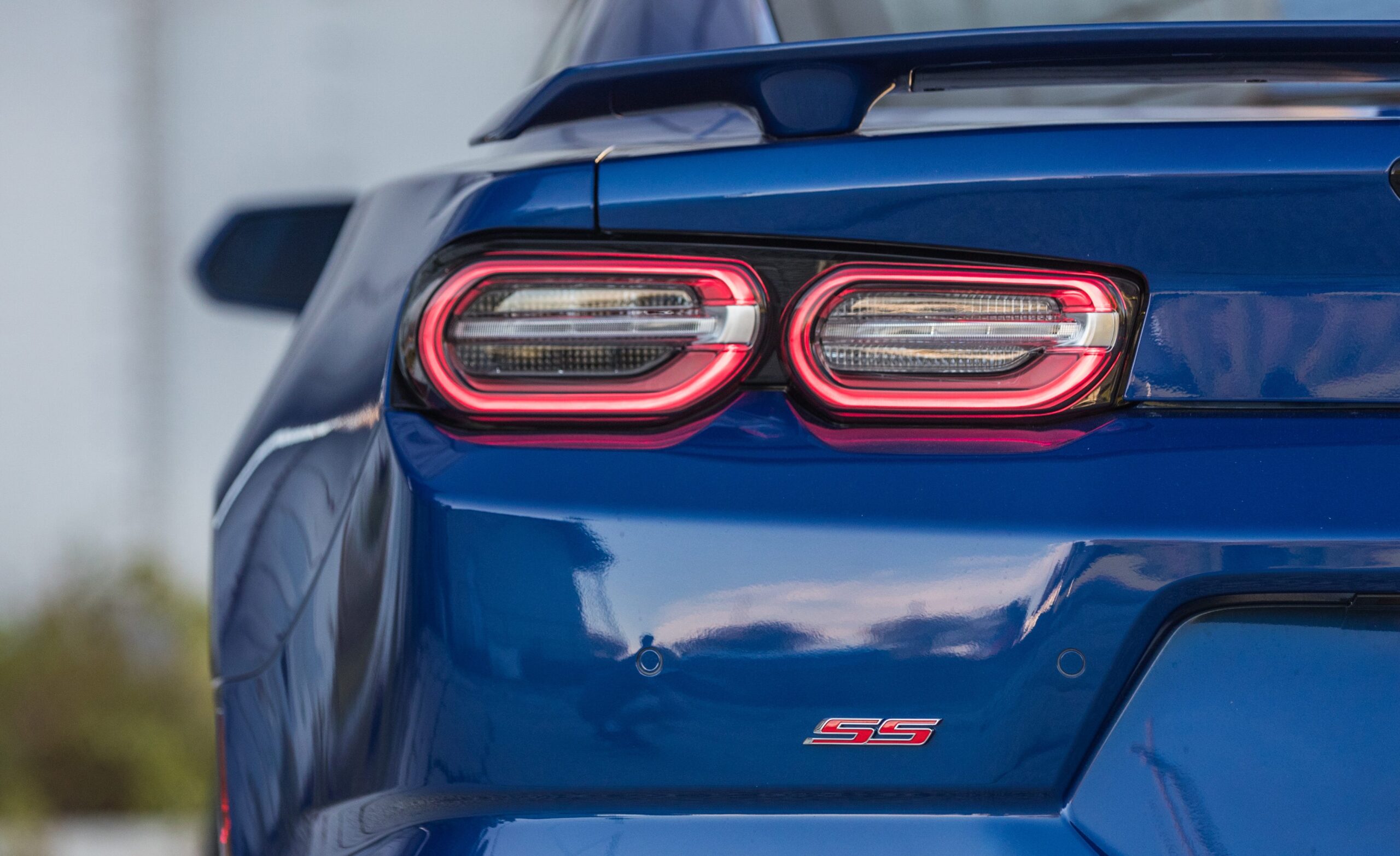


Chevrolet’s next Camaro won’t arrive until the 2029 model year, a full year later than previously expected, and it will carry a configuration that would have been heresy a decade ago: four doors.
GM Authority first reported the delay and the body style shift. The revived Camaro will ride on the Alpha 2 architecture, an evolution of the platform that supported the last Camaro and currently underpins the Cadillac CT4 and CT5 sedans. Rear-wheel drive appears to be a given.
That platform choice tells you everything about where this car is headed. GM already bolts a turbocharged four-cylinder into the CT5 on this architecture, so expect a similar entry-level engine in the Camaro. But the real draw is a confirmed high-performance variant, which almost certainly means a V-8, likely derived from the sixth-generation small-block currently living in the Corvette.
A manual transmission option has also been reported, which in 2029 will feel less like a feature and more like an act of defiance.
Production is slated for GM’s Lansing Grand River Assembly plant in Michigan, sharing floor space with the next-generation CT5. Neither vehicle has a locked production start date, which partly explains the timeline slipping from fall 2027 to sometime in 2028 for a 2029 model year launch.
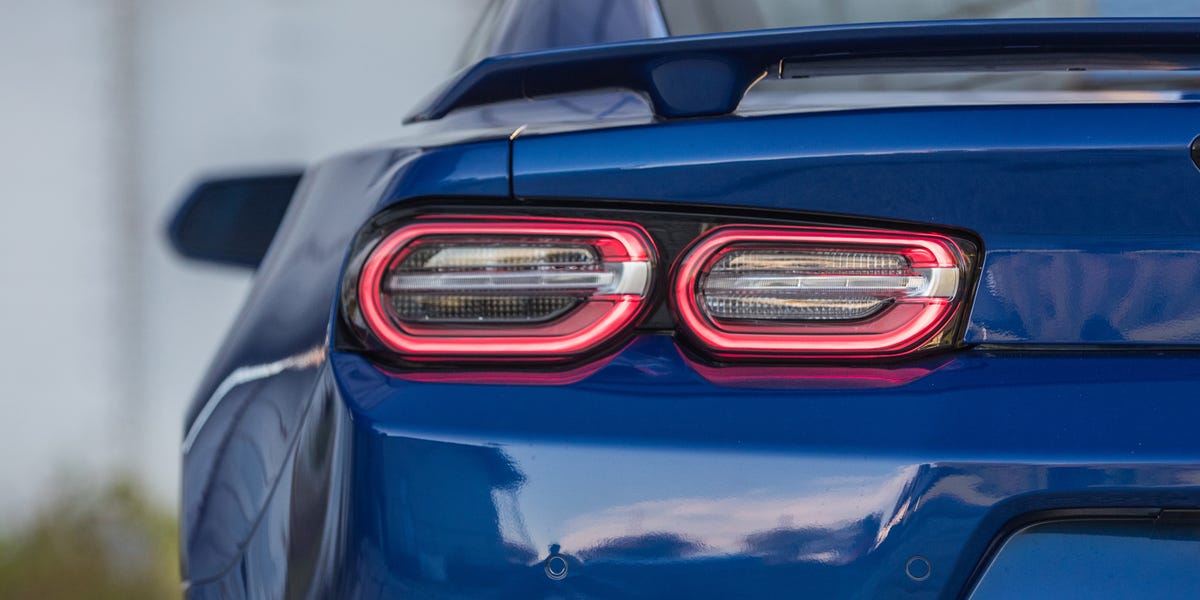
Chevy killed the Camaro after 2024. Rumors of its return started percolating earlier this year, initially pointing to a 2028 revival. That target has now been pushed back, and the product itself has been fundamentally reimagined. Going from a two-door coupe to a four-door car is not a refresh. It is a philosophical reboot.
The competitive math explains the logic, even if it stings purists. The Ford Mustang remains a strict two-door, available with a four-cylinder or V-8. The Dodge Charger now comes in both two-door and four-door forms, powered by the Hurricane inline-six. A four-door Camaro with a V-8 would occupy a space neither rival currently fills.
That said, calling a four-door sedan a Camaro requires a certain amount of corporate confidence, or desperation. The name has meant two doors and a long hood since 1967. Chevy is betting that the badge carries enough emotional weight to survive a radical format change, the same gamble Dodge made when it turned the Charger into a sedan back in 2006.
That move worked commercially even as it drew howls from enthusiasts, and the Charger sedan became one of the best-selling performance cars in America for nearly two decades. GM has been watching Stellantis prove that muscle car buyers will accept four doors if the powertrain is right and the attitude is intact. The question is whether Chevy can pull off the same trick with a nameplate that has an even more rigid identity in the minds of its faithful.
The delay itself raises questions. Pushing a model year back usually signals engineering complications, supplier issues, or internal debates about the business case. GM has not commented publicly on the timeline shift, and the absence of a confirmed production start date leaves room for further slippage.
For the enthusiasts who spent the last two years hoping the Camaro would come back as a proper two-door pony car, the news lands like a gut punch wrapped in a compromise. For GM’s accountants, a four-door Camaro with broader market appeal and shared platform costs probably looks like the only version of this car that makes financial sense.
Whether the 2029 Camaro earns its name or merely borrows it is a question that won’t be answered until someone turns a key and drops the clutch.



Share this Story