
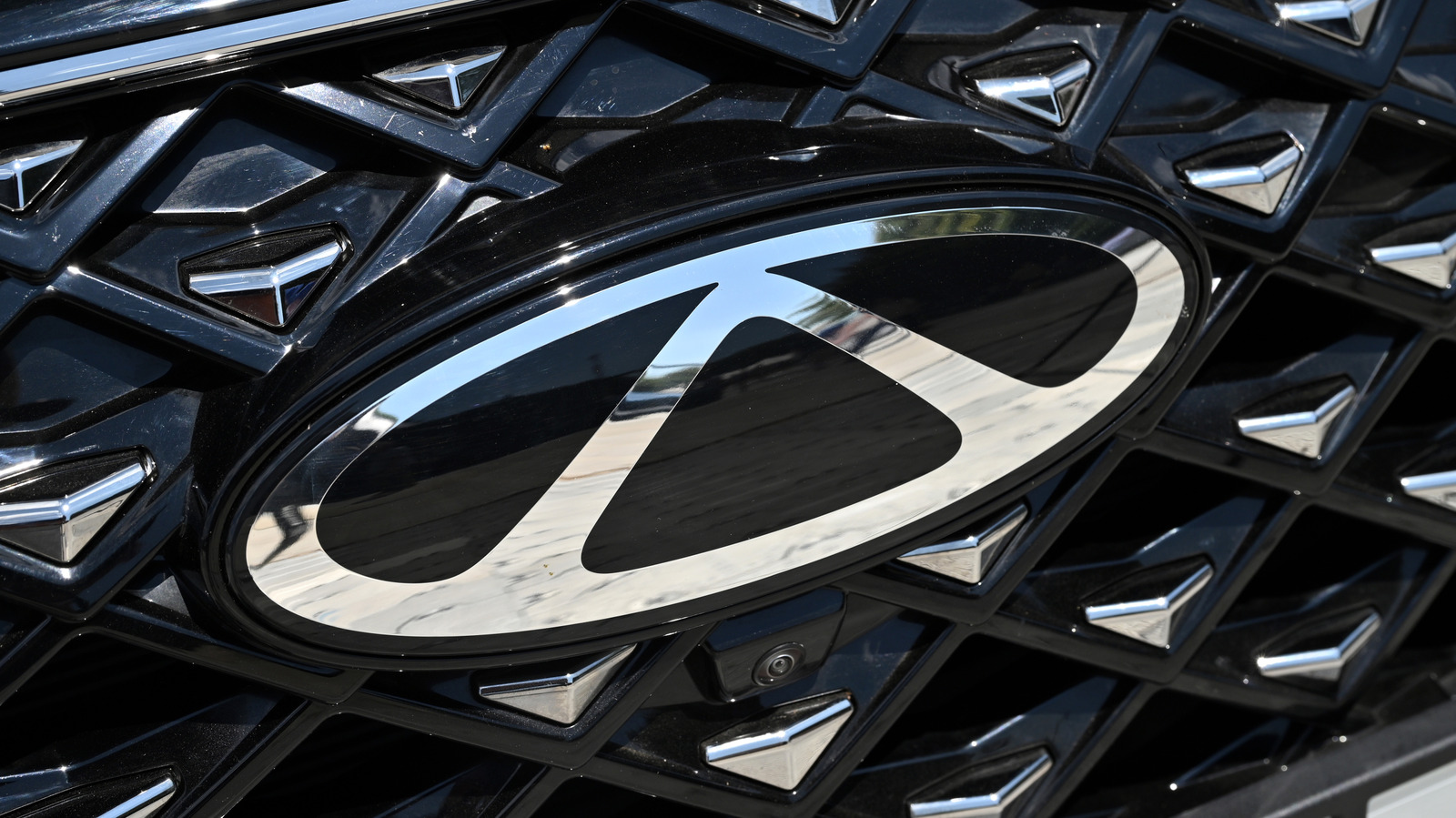


Chery’s vice president Charlie Zhang told Reuters the Chinese automaker is open to partnering with American car companies to get its vehicles into the United States, a market currently walled off by 100 percent tariffs on Chinese-made cars and a software ban that already forced Polestar to pack up and leave.
“We’re very open to different options, even potential partnership with American automakers,” Zhang said. He added that Chery could deliver “a China-free solution in terms of hardware and software,” which is the kind of sentence that sounds simple but would require an extraordinary engineering and supply chain overhaul to actually pull off.
Chery is not some scrappy startup making this pitch from a position of desperation. The company sells vehicles under its own name and through the Omoda and Jaecoo sub-brands. Its Jaecoo 7, ridiculed in Britain as a “Temu Range Rover,” became the first Chinese car ever to top the U.K. monthly sales chart in March.
Chinese brands now account for one in every 10 cars sold across Europe. The company is already in Mexico and planning to enter Canada early next year after Prime Minister Mark Carney’s government cracked the door open during trade negotiations in January. The U.S. remains the prize, though, and Chery knows it can’t get there alone under the current rules.
What Zhang is floating is a contract manufacturing deal. A Ford or GM builds Chery-designed vehicles on American soil, sidestepping import tariffs and software restrictions in one move. President Trump has previously said he’d welcome Chinese automakers building plants in America if it meant jobs.
But a partnership where Detroit does the building for a Chinese brand is a different animal entirely.
Ford CEO Jim Farley has already told industry audiences to expect Chinese brands inside the U.S. market within five to ten years. He’s not the only executive doing that math. The question hanging over Detroit is whether it’s smarter to profit from the inevitable arrival or spend a decade fighting it.
Stellantis chose its answer three years ago, buying a 21 percent stake in Leapmotor and creating a joint venture it controls at 51 percent. Stellantis now sells and builds Leapmotor vehicles in Europe and plans to import them to Canada directly from China, after scrapping a proposal to assemble them at its shuttered Brampton, Ontario, plant. That last detail says something about how these partnerships actually play out versus how they’re initially pitched.
The UAW will resist any arrangement that smells like a Chinese brand using American labor as a tariff workaround rather than a genuine commitment to domestic manufacturing. That fight played out with the Japanese in the early 1980s. Honda, Nissan, Toyota, and Subaru all eventually built plants in the U.S. and became embedded in the American industrial fabric.
But those companies came offering their own capital and their own factories, not asking Detroit to build cars for them.
Chery’s pitch is clever. It positions the company as a collaborator, not a competitor, and puts the burden of facility investment on whichever American partner bites. Zhang framed it as technical cooperation.
Detroit’s boardrooms will see it as something else entirely: a Chinese automaker asking to rent the keys to the kingdom while lawmakers in Washington are still debating whether to change the locks.
No U.S. automaker has responded publicly. The silence itself is telling.


Share this Story