
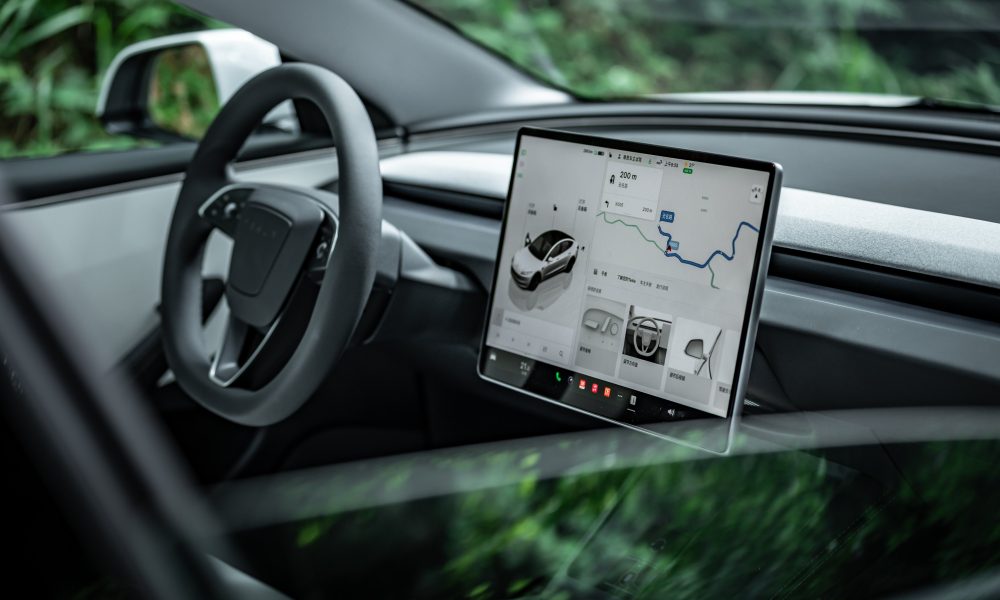


Three-quarters of every new Tesla delivered in North America last quarter came with a Full Self-Driving subscription. The software is now the single biggest reason many people buy the car. And yet the navigation system telling that software where to go remains, by most accounts, a mess.
Tesla plans to fix that by building its own maps from the ground up, ditching its dependence on Google’s map data entirely. Ashok Elluswamy, Tesla’s head of AI, laid it out on the company’s Q3 2026 earnings call. “We shouldn’t be depending on external people’s maps,” he said. “We are building an entirely new architecture with AI-based mapping and navigation.”
This is not a minor tweak. Tesla is constructing what Elluswamy described as a system that learns from the collective intelligence of the entire fleet, integrates with voice commands, and remembers a driver’s personal routing preferences. He promised it would roll out with the v15 software release and eventually take over all navigation functions, including parking and destination handling.
“It will know you better than you know yourself in some regard for the driving task,” he said.
Navigation has been FSD’s most persistent weak spot. Drivers report bizarre routing choices, incorrect speed limits, and destination errors that persist from one software version to the next. Tesla tried to address some of these complaints with a routing feature in its Summer 2026 update, but the underlying problem remained. The company was still leaning on Google for the map layer underneath its autonomy stack.
For a company selling 486,532 vehicles in a single quarter and converting 75 percent of North American deliveries into $99 monthly FSD subscriptions, that dependency was becoming harder to justify. Active FSD subscriptions hit 1.75 million, up 67 percent year over year. More than half of those are now on the monthly plan, generating the kind of predictable recurring revenue Wall Street loves.
Tesla has turned its cars into software platforms. But a software platform that sends you down the wrong highway exit is a hard sell at any price.
The timing matters. FSD is now live in nine EU countries with more than 100,000 customers logging over 160 million kilometers. A vote on broader EU-wide approval is expected in December. Expanding into markets with different road conventions, signage, and infrastructure while relying on a third party’s maps would compound the navigation headaches Tesla already faces at home.
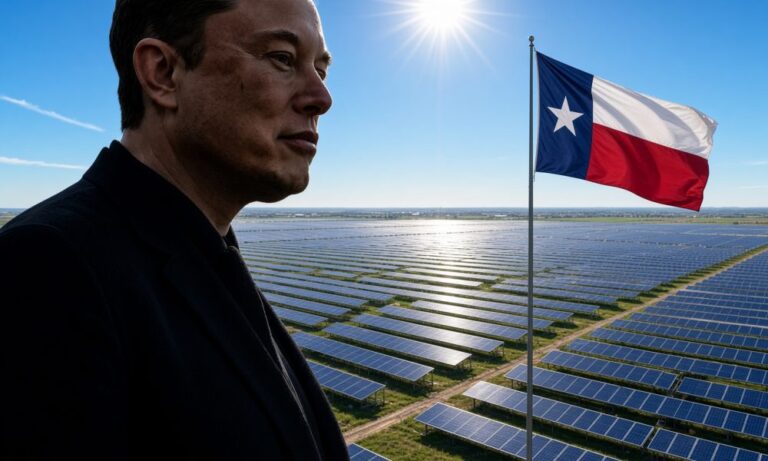
Building proprietary maps also fits a broader pattern. Tesla is internalizing everything it can. On the same earnings call, the company discussed its proposed $10.1 billion solar cell factory in Texas, covering the full chain from raw materials to finished panels.
Fort Bend County commissioners approved four incentive agreements for the project just hours later, voting 4 to 0 across the board. Battery supply is still constraining vehicle production. The company is scaling Megapack output to meet surging data center demand. Control of the supply chain, from energy to software to the maps underneath FSD, is the through line.
Elluswamy said the new mapping system would roll out over “the next several months.” That is a vague timeline for a feature that touches every mile driven by every Tesla on the road. Fleet-sourced mapping sounds elegant in theory. Executing it at scale, across dozens of countries, with real-time accuracy, is a different problem entirely.
Tesla’s largest passenger vehicle backlog in four years suggests buyers are willing to wait. Whether the maps will be ready when they arrive is another question.

Share this Story