
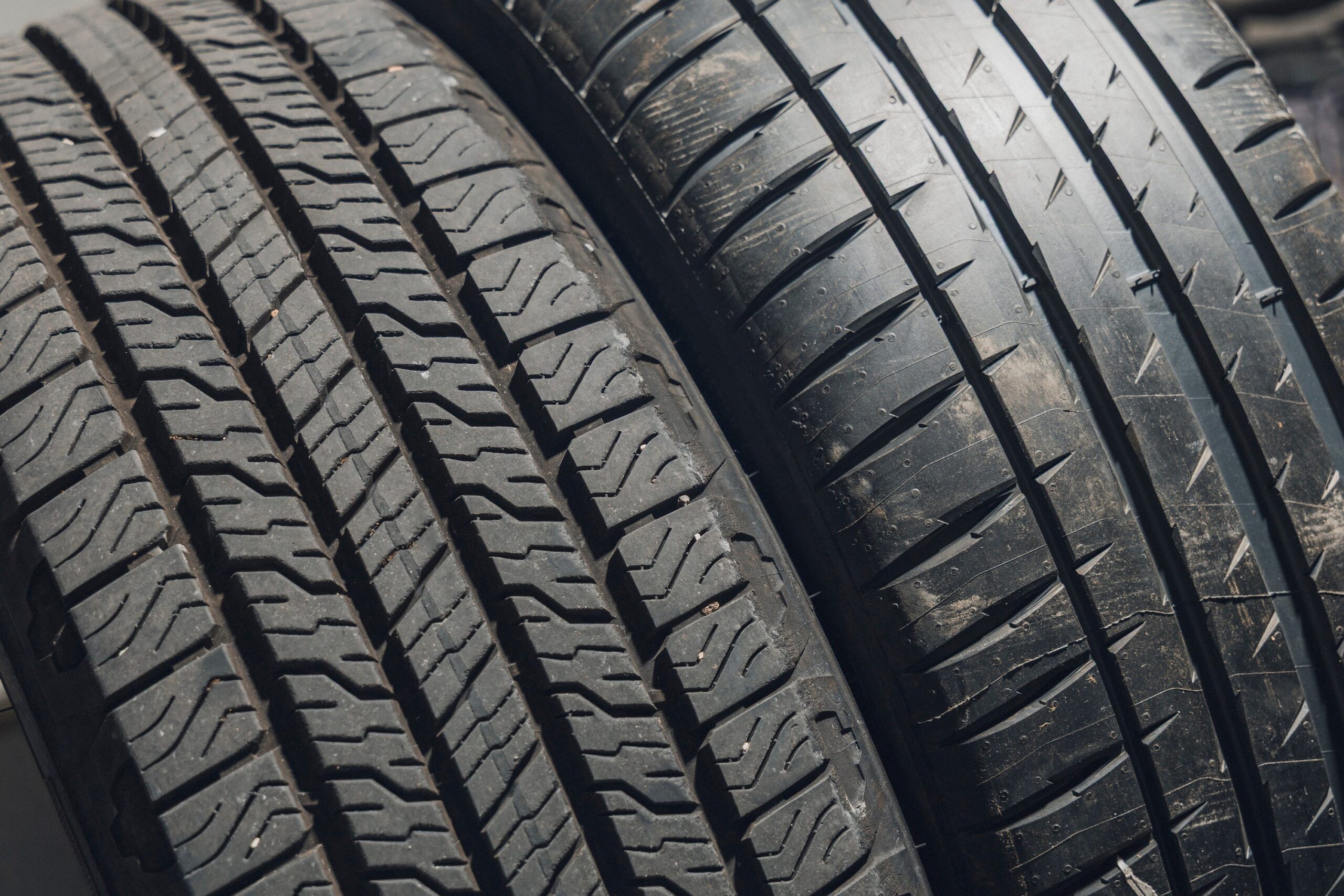


The California Energy Commission has revised its proposed replacement tire regulations, adding exemptions for performance tires, run-flats, and several other categories after a June public hearing drew sharp pushback from enthusiasts and tire industry representatives. The original April proposal threatened to restrict nearly every aftermarket tire sold in the state to the same efficiency ratings as factory-installed rubber. That would have been a disaster for anyone who actually drives with intention.
The initial rule was blunt. Every replacement tire sold in California would need to match or exceed the rolling resistance efficiency of OEM tires fitted to new vehicles. The only exceptions were winter tires and off-road tires. Performance rubber, run-flats, long-life tires, and anything carrying the three-peak mountain snowflake certification were all subject to the same efficiency floor.
The updated proposal, released this month, carves out room for competition tires meeting specific tread depth, speed rating, and treadwear thresholds. All-season tires with 3PMSF certification get a pass. Run-flats are now exempt, along with large-diameter off-road tires and long and ultra-long-life category tires.
The CEC also pushed back its implementation timeline. Phase 1 regulations, originally set to hit tires manufactured on or after January 1, 2028, now target January 1, 2029. The stricter Phase 2 standards slide to January 1, 2033, buying tire manufacturers and retailers four extra years before the tightest restrictions kick in.
A CEC representative told Car and Driver the changes came directly from feedback gathered during the June 10 public comment period and subsequent conversations with industry stakeholders. The commission listened. Whether it listened enough is another question.
Rolling resistance standards exist for a reason. Lower rolling resistance means better fuel economy and longer EV range. Tires are a logical target, but for millions of drivers, they are also the single most important safety and performance interface between car and road.
The tension has always been straightforward. A tire optimized purely for low rolling resistance tends to sacrifice grip, especially in wet conditions and at the limit. Enthusiasts buying summer performance rubber or track-capable street tires are not shopping for fuel economy. They are shopping for adhesion.
The revised carve-outs acknowledge this, but the line between what qualifies as a “competition tire” under CEC definitions and what a weekend canyon driver actually bolts onto a Miata is still murky. Tread depth and treadwear thresholds will determine which tires make the cut. Those numbers have not been finalized.
California’s regulatory reach tends to extend well beyond its borders. Tire manufacturers are unlikely to produce California-specific product lines. When the state restricts what can be sold, it effectively sets a national floor. That dynamic played out with vehicle emissions decades ago, and it could play out with tires next.
Public comments on the revised proposals close at 10:00 a.m. on August 3. The CEC could adopt the updated rules at a future business meeting, or it could revise them again. Nothing is locked in yet, which means the final version of these regulations is still being shaped by whoever shows up to argue.





Share this Story