
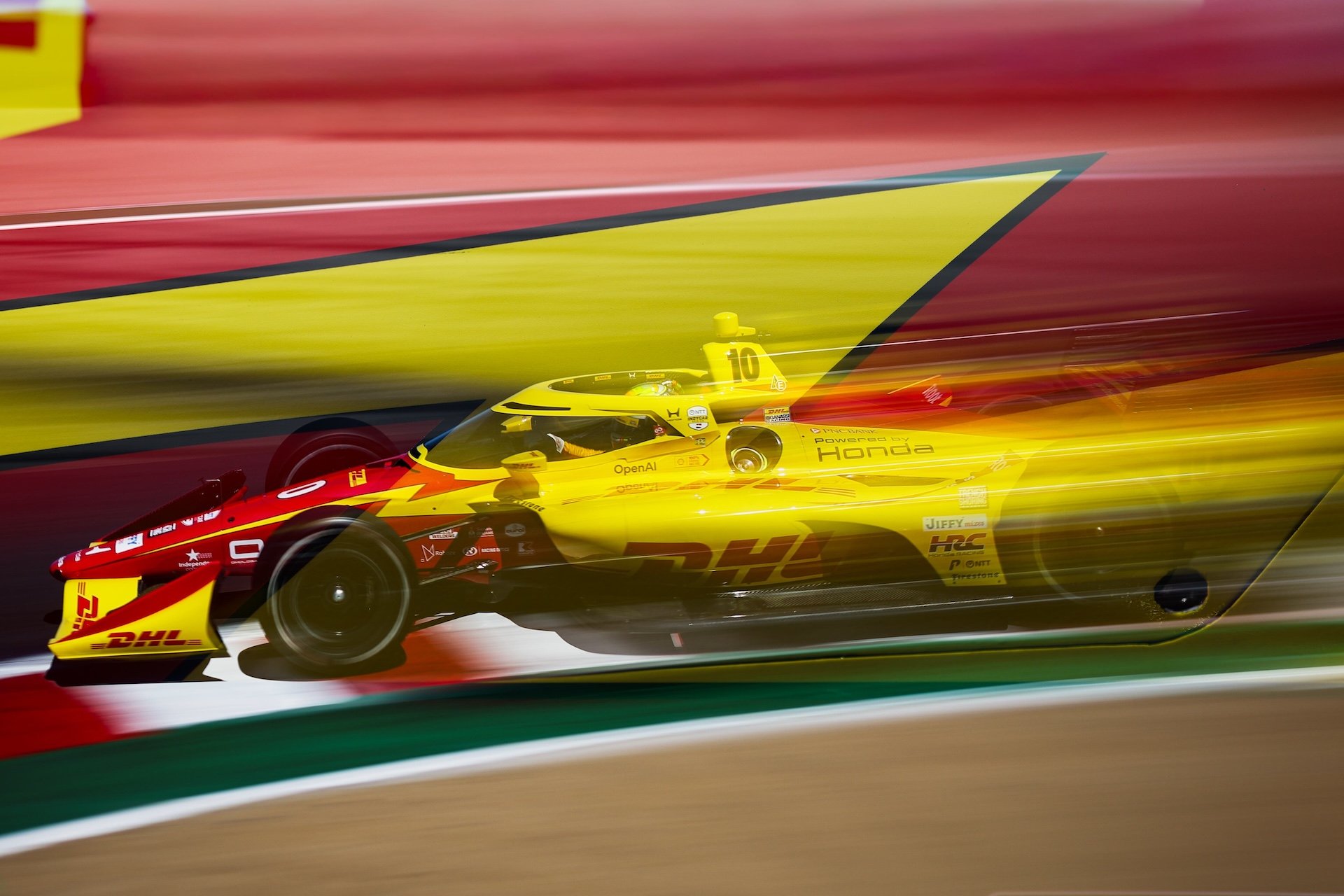


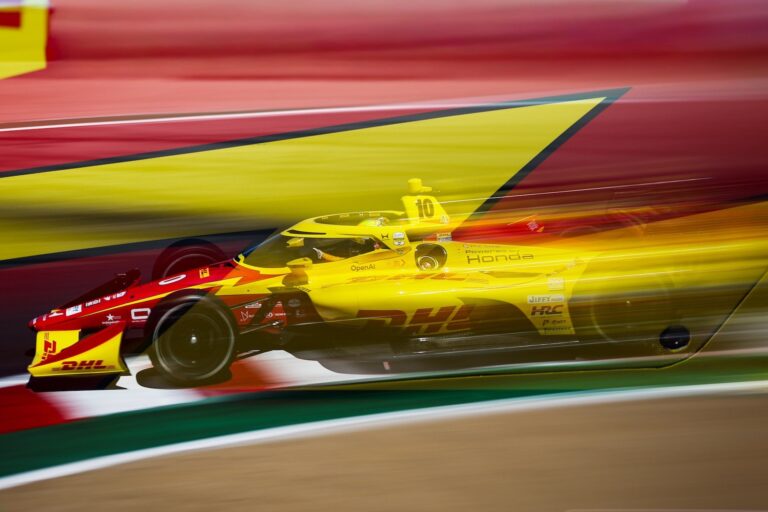
IndyCar will race at the Circuit de Barcelona-Catalunya on July 18, 2027, marking the series’ first trip outside North America in 14 years and its first European date in two decades. The track became available after Formula 1 ditched it for a shiny new Madrid venue, and IndyCar was happy to pick up the phone.
The deal is reportedly multi-year, though the series declined to share specifics. It comes as IndyCar leadership continues a sweeping overhaul that includes a new Fox television deal and the IR28, a next-generation race car designed to sharpen competition and attract fresh audiences.
Two-time champion Alex Palou, who hails from a municipality just outside Barcelona, is the obvious gravitational force behind the move. His presence gives the race a hometown hero narrative that promoters dream about. “It means so much to me to have a race at home in Barcelona,” Palou said. “I know the fans are going to love it.”
Star power alone doesn’t build an overseas race. IndyCar learned that lesson trying for years to bring a round to Mexico on the strength of Pato O’Ward’s enormous following there. Logistics, costs, and political will all have to align, and the series has yet to clarify basic structural questions.
Will every team be required to attend? Will the race count for championship points, or will it function as a glorified exhibition? Those answers will shape whether Barcelona becomes a real fixture or a novelty.
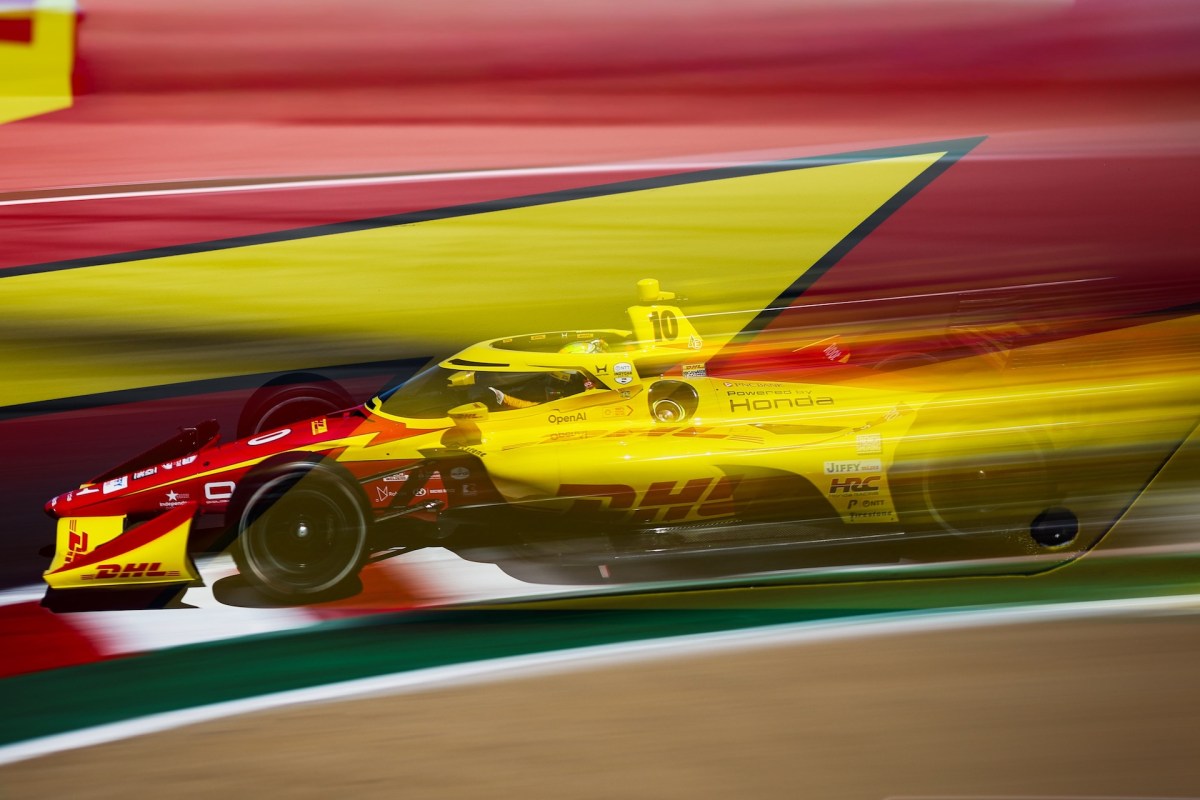
The last time IndyCar ventured outside North America was the São Paulo Indy 300 in Brazil in 2013. The last European appearance was at TT Circuit Assen in the Netherlands in 2007. Neither event survived long enough to become a tradition.
Barcelona’s addition comes at a cost elsewhere on the calendar. Motorsport.com reports the Nashville oval race is being dropped, along with the Washington, D.C., street race that was always structured as a one-off. Some had hoped D.C. would return, but that door now appears closed.
Trading domestic ovals for a European road course says something about where IndyCar sees its future. The series built its identity on American short ovals and the Indianapolis Motor Speedway. But the audience it’s chasing lives on social media, watches F1 on Sunday mornings, and follows drivers like Palou who came up through European junior formulas. Barcelona fits that target demographic far better than another half-empty oval in the American South.
There’s also an element of opportunism that’s hard to ignore. F1 left Barcelona-Catalunya after decades because Spain ponied up for a purpose-built facility in Madrid. The existing circuit, while perfectly functional and well-known to racing fans worldwide, suddenly needed a tenant. IndyCar gets a world-class facility with existing infrastructure at what is presumably a fraction of the cost of building a new event from scratch.
Whether European fans will show up for an American series they largely don’t follow is the real gamble. Palou’s star burns bright in Spain, and IndyCar’s brand of close wheel-to-wheel racing translates well on any continent. But the series has a thin international profile, and the Fox broadcast deal that anchors its domestic strategy means little across the Atlantic.
The full 2027 schedule is expected soon, and the Barcelona announcement is clearly meant to be its centerpiece. IndyCar is betting it can do what it has failed to do before: plant a flag overseas and keep it standing.
Share this Story