


General Motors is shutting down its Brownstown Battery Assembly plant in Michigan, a 480,000-square-foot facility that opened in 2009 and once employed roughly 300 workers. Fewer than a dozen remain.
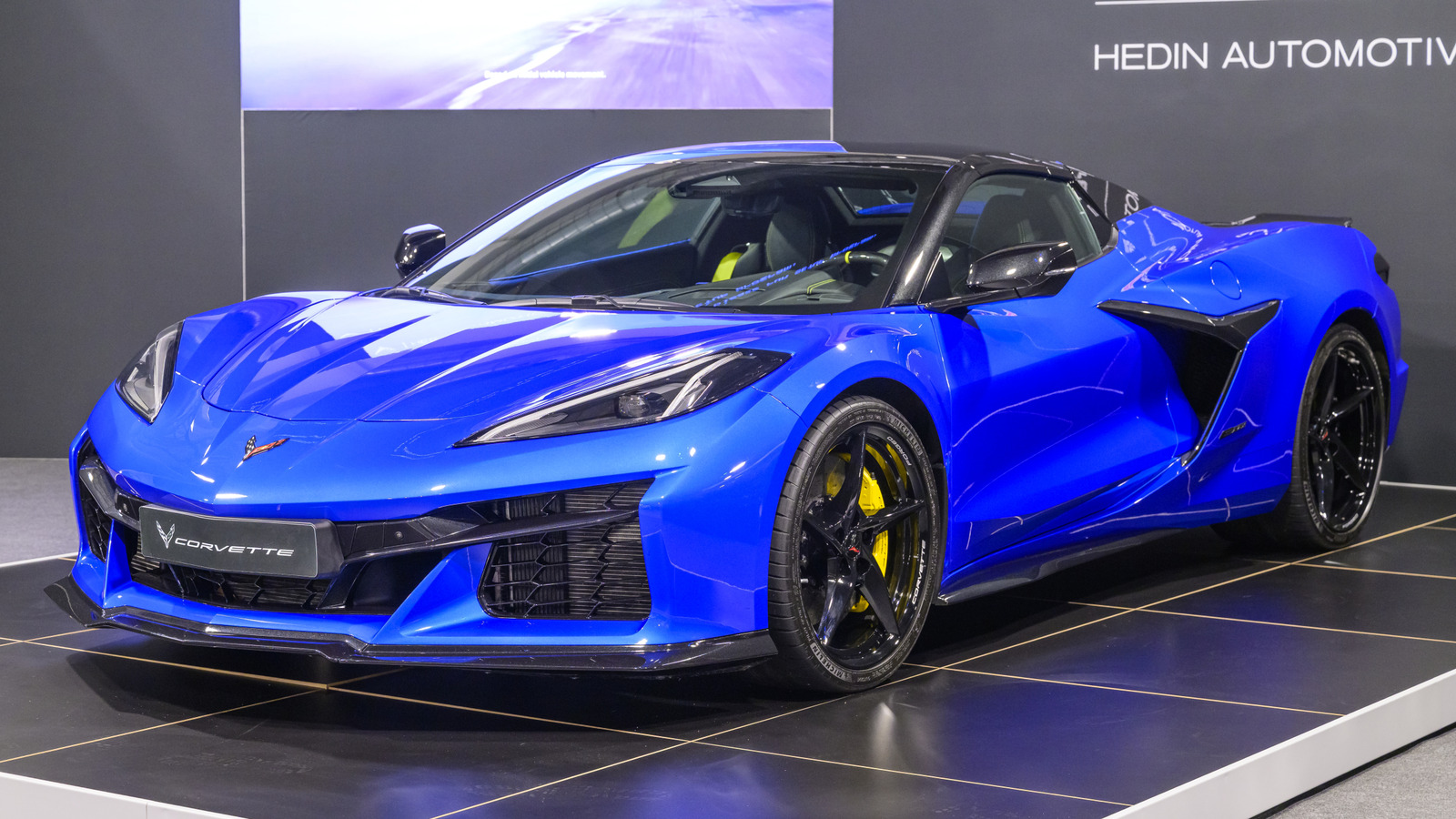
The plant supplied batteries for the Cadillac Celestiq and the small battery and electric motor powering the Chevrolet Corvette E-Ray. It also served as the workshop where GM and Honda developed hydrogen fuel cells together. All three reasons to keep the lights on have evaporated.
The Corvette E-Ray is gone, replaced by the Grand Sport X. The Celestiq was always a low-volume halo car, never a production justification for a nearly half-million-square-foot facility. And the Honda hydrogen partnership? Axed.
GM will decommission the site when its lease expires next summer, shifting any remaining work to other plants and offering displaced workers positions at nearby facilities per its UAW agreement. This is not an isolated closure. It is the latest in a string of quiet retreats from what was supposed to be GM’s all-electric future.
A second facility in Detroit, a 300,000-square-foot hydrogen fuel cell plant GM partnered with Piston Automotive to build in 2024, is also in limbo. The partnership has been canceled. GM took over the lease from Piston but has offered no public plan for what comes next.
Then there is the Indiana battery plant. GM and Samsung SDI announced a $3.5 billion joint venture in 2024, stacking it alongside three other battery plants GM runs with LG Energy Solution. Two months ago, GM sold its entire 49.99 percent stake to Samsung for an undisclosed sum.
The factory, now fully Samsung-owned, will initially make batteries for energy storage systems, not GM vehicles. There is talk it could eventually produce prismatic cells for future GM products, but nothing is signed.
CEO Mary Barra still calls EVs the company’s “North Star.” The phrase has become a refrain, repeated at earnings calls and press events even as the constellation it points toward keeps shifting. GM went heavy on electrification during the boom years and has been clawing back ever since, shedding partnerships, offloading factory stakes, and quietly closing facilities that no longer fit the revised math.
The company is not abandoning EVs entirely. It recently announced a fourth-generation EV architecture and talked up lithium manganese-rich battery chemistry developed with in-house AI tools. The pitch is cheaper batteries, broader affordability, less dependence on outside partners.
But the pattern tells its own story. The hydrogen work is dead. The Samsung deal is unwound. The Brownstown plant that built batteries for the Volt, the Celestiq, and the E-Ray is being mothballed.
The competitive pressure is real. Chinese automakers are pushing battery costs down at a pace Detroit cannot match, and Tesla continues to dominate the domestic EV market on scale and margins. GM’s pivot toward developing its own battery chemistry and architecture looks like a long-term bet that demands short-term sacrifice, which in practice means closed plants and dissolved partnerships.
Whether the next generation of GM-developed batteries actually delivers on the promise of affordability remains years away from an answer. In the meantime, the footprint keeps getting smaller.

Share this Story