
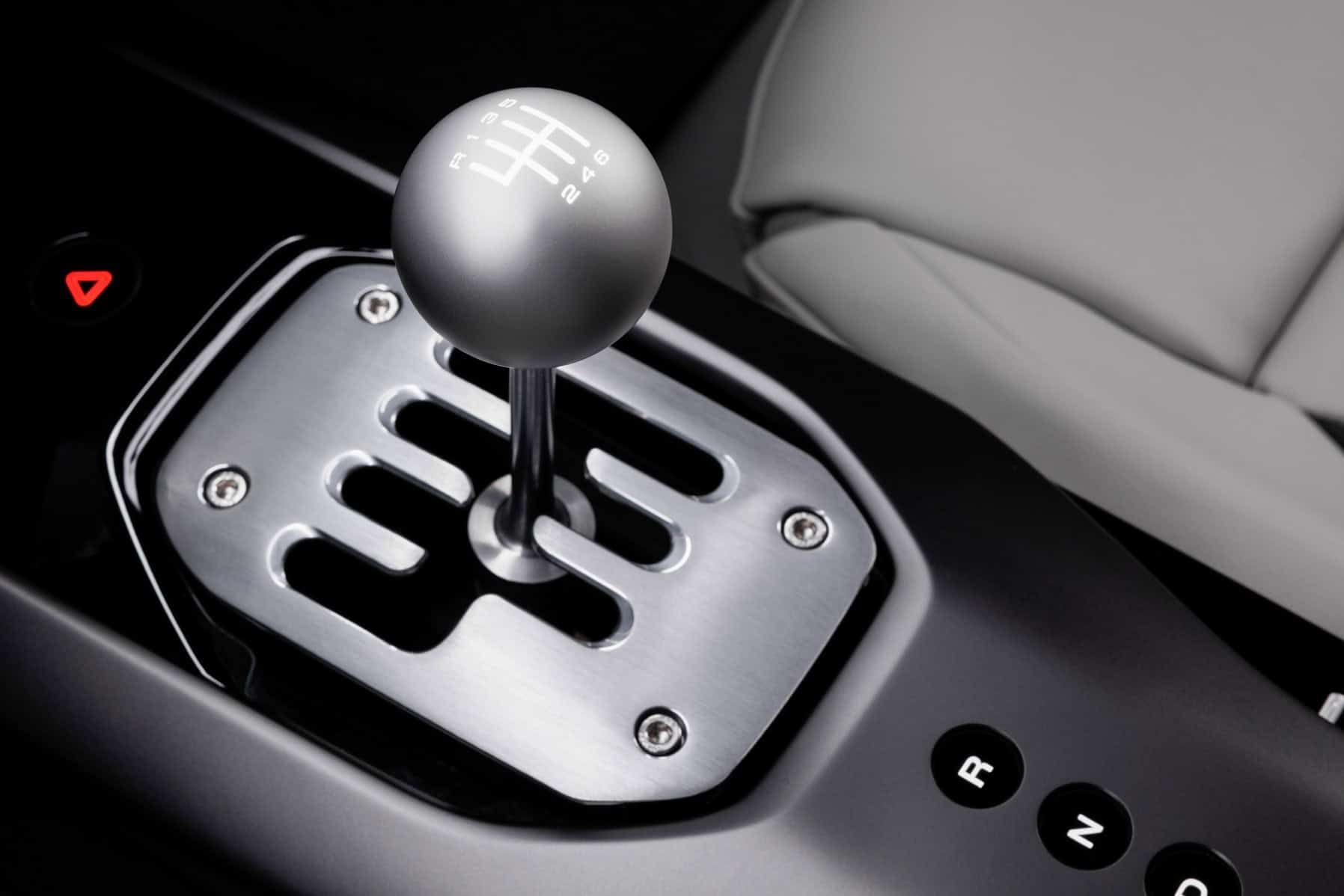


Roughly half of every M2 sold in the United States still comes with a six-speed manual. That’s not a dying market. That’s a coin flip, and half the coins land on three pedals.
Yet BMW M CEO Frank van Meel says keeping the manual alive is becoming “really difficult,” and the reasons go well beyond customer demand.
Suppliers are bailing. The pool of companies willing to develop and manufacture manual transmissions keeps shrinking, which drives up costs for a component that goes into a sliver of total production. BMW’s turbocharged inline-sixes now produce torque levels that push the existing six-speed to its structural limits.
The looming shift to 48-volt mild-hybrid systems, which BMW’s current manual setup can’t accommodate, threatens to make the stick shift technically incompatible with the next generation of M cars.
The next M3, internally coded G84, is expected to pair an evolved twin-turbo 3.0-liter six with 48-volt electrification. If the manual can’t work with that powertrain, the math gets ugly fast. Most advanced driver-assistance systems are engineered around automatics, and making them play nice with a clutch pedal adds cost and complexity that few accountants want to sign off on.
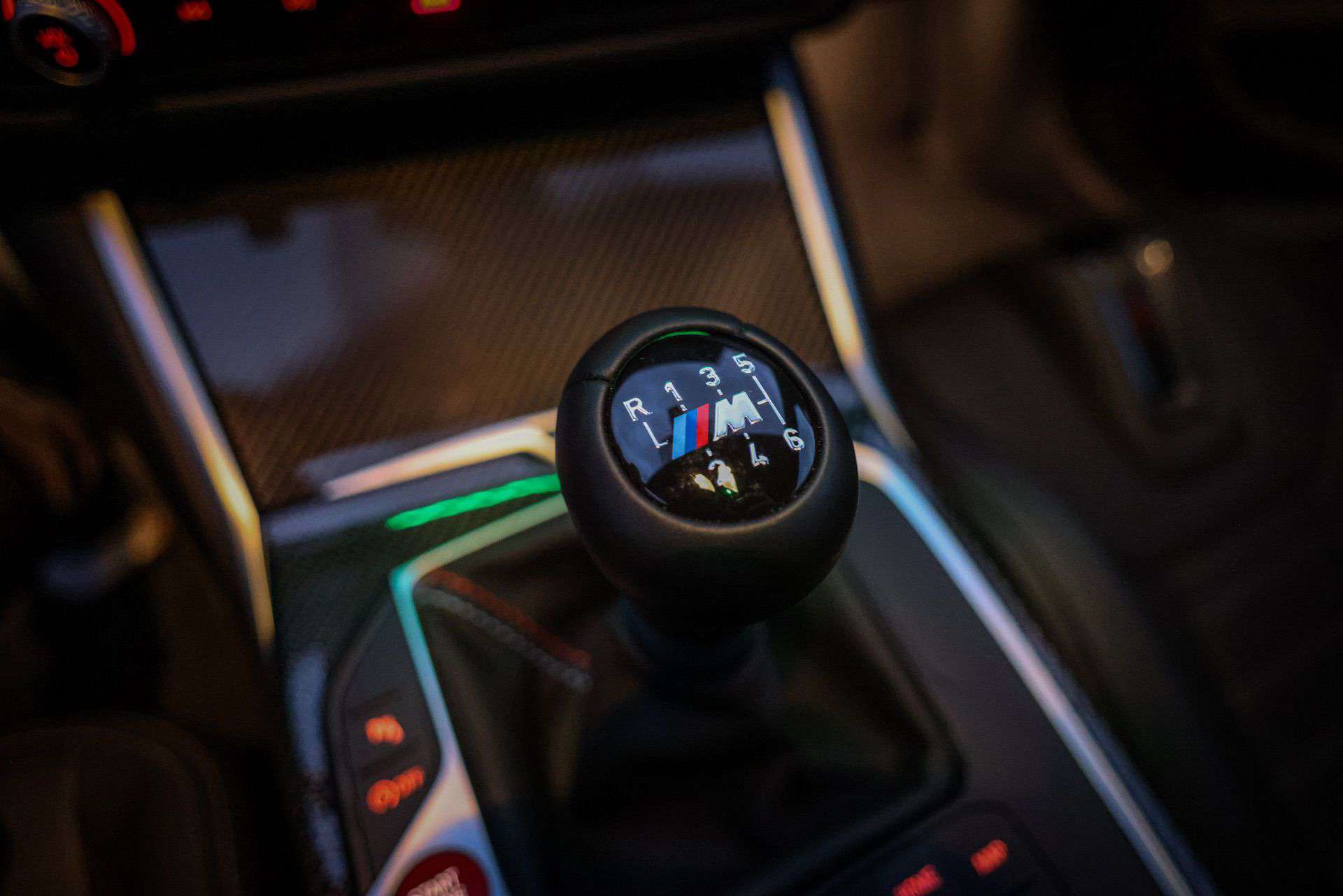
So where does that leave enthusiasts who actually use a shift lever? Ferrari has one answer, and it’s audacious. The limited-run 12Cilindri Manuale pairs a gated shifter and clutch pedal with an eight-speed dual-clutch transmission.
Nothing is mechanically connected to the gearbox. Sensors and software translate every input into electronic commands. Ferrari even engineered realistic resistance into the clutch, letting drivers stall the car or fumble a launch.
It is, by any honest measure, a theatrical performance. But it is also a performance that some drivers might genuinely enjoy more than paddle shifters.
BMW is already thinking along similar lines. The upcoming electric M3, known internally as ZA0, will feature simulated gear shifts. Munich is clearly willing to use software to recreate sensations that hardware can no longer deliver.
The M2, M3, and M4 are the last holdouts. With the Z4 M40i out of the picture and the G80 M3 nearing the end of its production run, the coupes are expected to carry the manual flag through the rest of the decade. After that, silence.
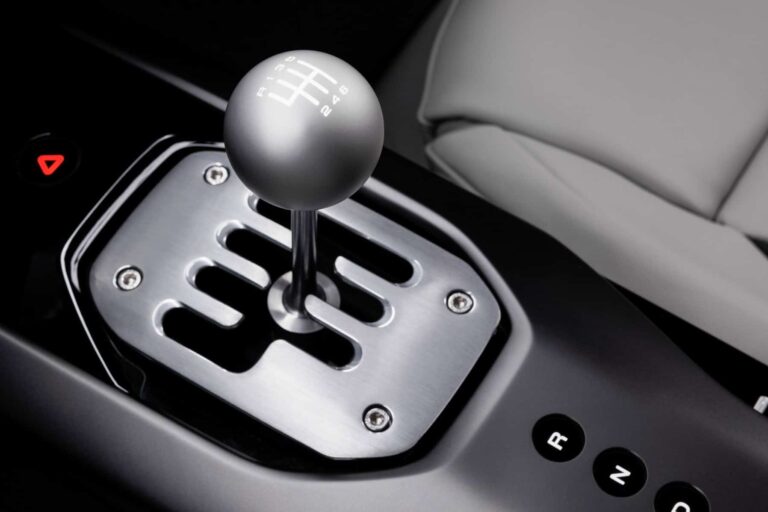
Purists will call a simulated manual sacrilege. They have a point. No amount of sensor calibration replicates the mechanical satisfaction of a real clutch engagement, the slight vibration through the shift knob, the imperfect humanity of heel-and-toe downshifts executed with actual linkage.
But the alternative isn’t a real manual. The alternative, increasingly, is no manual at all. Every M car shifting itself, every driving experience reduced to paddle clicks or, worse, software deciding when to change ratios.
BMW has promised to keep the manual alive as long as possible. That language, “as long as possible,” is the language of managed decline. The company deserves credit for holding on longer than most of its competitors, but promises don’t change supplier economics or emissions regulations.
Ferrari abandoned the real manual over a decade ago and just now circled back with an electronic facsimile that costs a fortune and ships in tiny numbers. BMW still has time, still has volume, and still has customers who want the real thing. The smartest move would be to start engineering the simulation now, while the institutional knowledge of what a manual should feel like still lives inside the company.
Once that expertise walks out the door, no algorithm will get it back.
Share this Story