
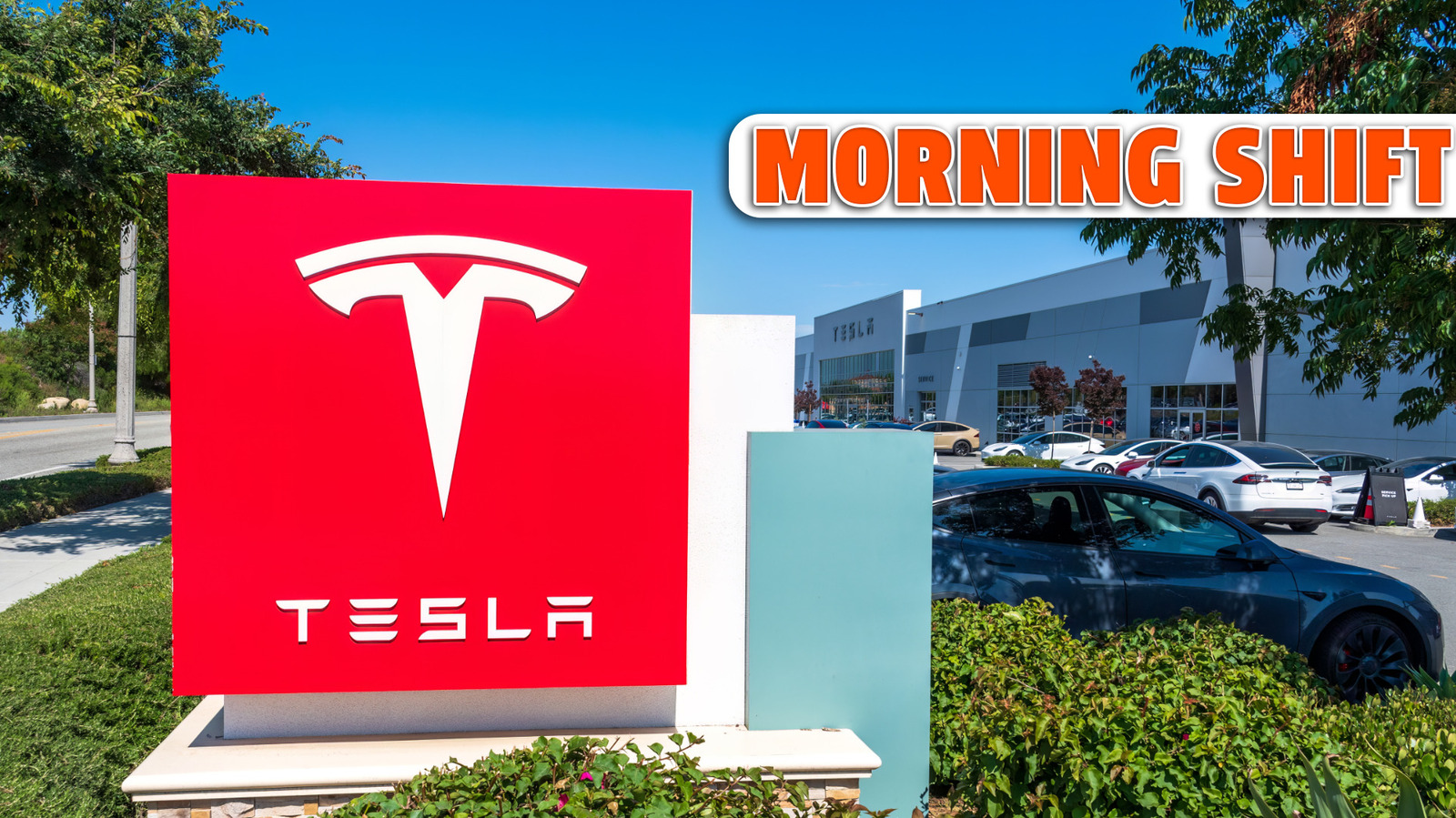


Tesla wants Full Self-Driving approved across Europe. To get there, the company handed regulators safety statistics that independent researchers say are misleading at best, fabricated at worst.
Reuters reported Monday that Tesla presented self-published data to regulators in Sweden and the Netherlands claiming FSD is up to 10 times safer than human drivers. The problem: a Reuters examination found several invalid data comparisons underlying those statistics. Those comparisons systematically exaggerated FSD’s safety record.
This wasn’t a casual press release or an Elon Musk tweet fired off at 2 a.m. This was correspondence sent directly to RDW, the Dutch road authority, as part of a formal approval process. In a November 2024 letter, Tesla provided a link to its safety report and claimed that “increased usage” of FSD “leads to safer roads.
RDW approved FSD for use in the Netherlands this past April after more than a year of testing and discussions. The Dutch regulator is now seeking EU-wide approval on Tesla’s behalf, meaning the inflated data could ripple across the entire continent.
The stakes here are enormous. Europe regulates its roads with a rigor that makes America’s approach look like a suggestion box. Type approval in the EU isn’t a formality. It’s supposed to be a gatekeeper, and Tesla apparently walked up to that gate with numbers that don’t hold up under scrutiny.
Tesla charges a monthly subscription for FSD, which can handle certain driving tasks but still requires the human behind the wheel to remain attentive. It is not, despite its name, fully self-driving. That branding gap has been a sore point with safety advocates for years, and presenting regulators with puffed-up crash data adds another layer to a credibility problem that keeps compounding.
The timing is particularly bad for Tesla. The company has been hemorrhaging market share in Europe, where competitors from BYD to Volkswagen to Stellantis have flooded the market with credible electric alternatives. FSD approval would be a differentiator, a way to claw back relevance in a region where the Tesla brand has lost its shine.
Submitting questionable safety claims to the agencies standing between Tesla and that approval is either desperate or reckless. Possibly both.
Independent traffic-safety researchers flagged the data comparisons as apples-to-oranges. Tesla’s own safety reports have long drawn criticism for cherry-picking metrics, comparing FSD miles driven on highways in good conditions against national averages that include every drunk driver on a rainy back road. That methodology flatters the software. It doesn’t prove it’s safe.
Meanwhile, U.S. EV sales continue to soften in the wake of revoked federal tax credits, though April’s 9.8 percent year-over-year decline was the smallest drop of 2026. Registrations hit 89,147, the highest monthly tally this year. Analysts at S&P Global Mobility see gradual stabilization, possibly aided by rising gas prices linked to geopolitical turmoil.
For Tesla, the European regulatory fight and the American sales slump are two fronts of the same war. The company needs FSD to justify its valuation, its pricing, and its pitch to consumers who increasingly have choices. Getting caught padding the numbers with the people who decide whether your product is street-legal is not the way to win that war.
RDW hasn’t publicly commented on whether the Reuters findings will affect its EU-wide petition. They should.

Share this Story