
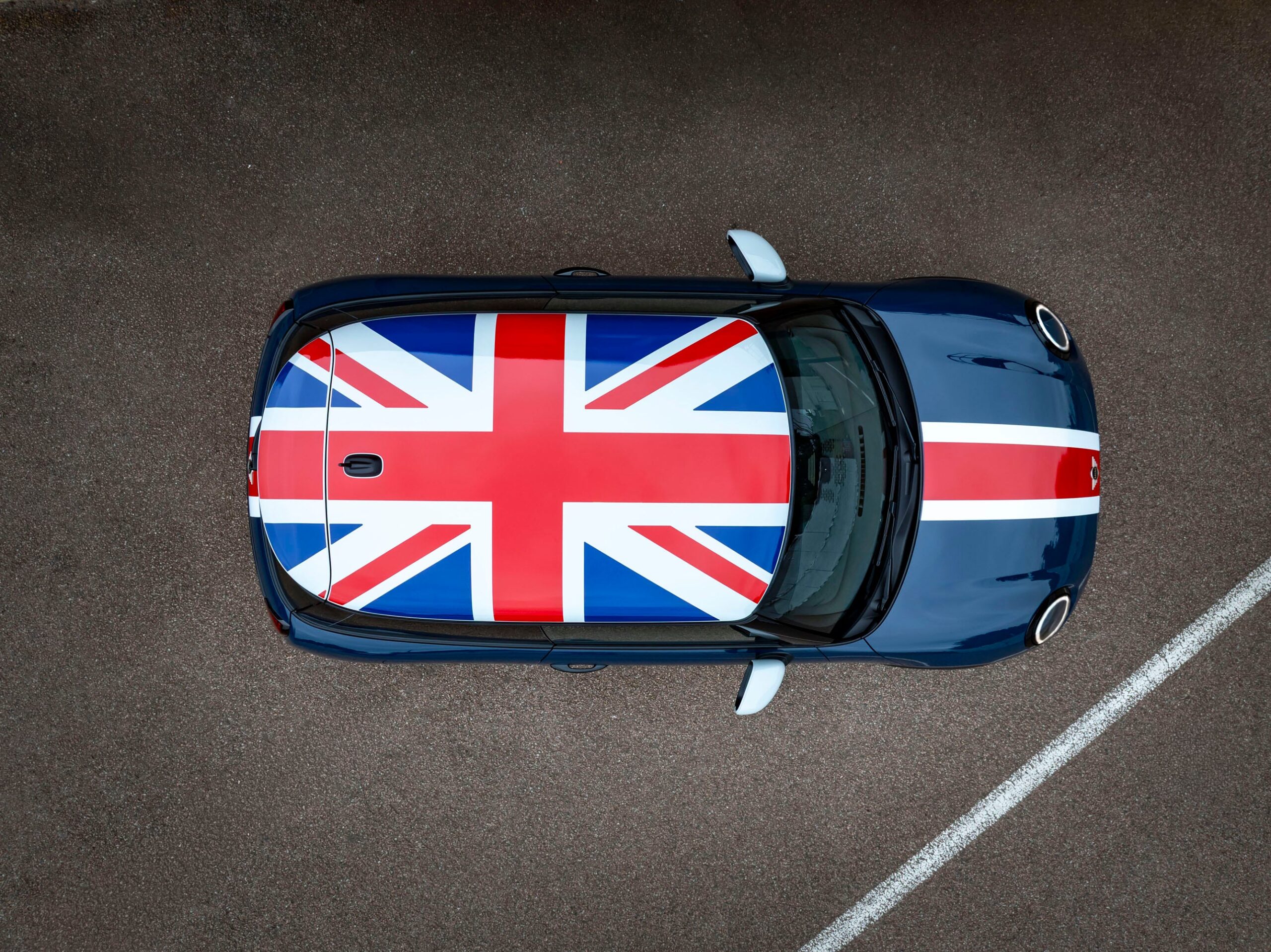


The Mini Cooper has been a front-wheel-drive car for 65 years. That streak may be ending.
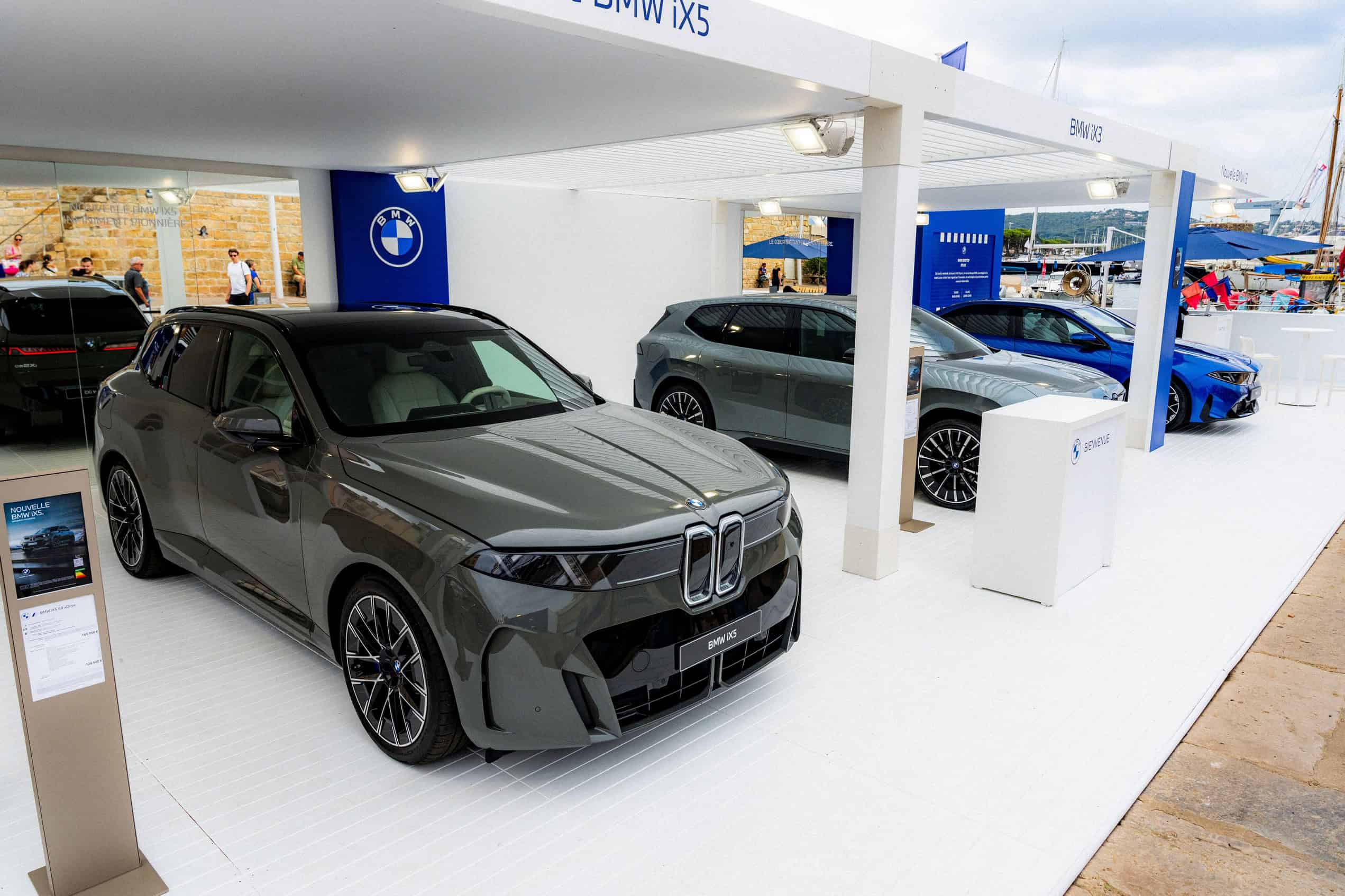
According to a report from Autocar, Mini has begun development work on the next-generation Cooper Electric, and the plan is to build it on BMW’s Gen6 architecture. That’s the same rear-drive-biased platform sitting under the Neue Klasse i3 and iX3. As things stand, Gen6 doesn’t even support front-wheel drive.
The larger drive motors on the rear axle get gearboxes. The smaller front motors don’t. If that architecture carries over unchanged, the next Cooper EV will be rear-drive by default.
The implications run deeper than drivetrain theology. Moving to Gen6 would also unlock a serious bump in power. The current Cooper Electric tops out at 215 horsepower, and BMW’s Neue Klasse motors are built to deliver considerably more.
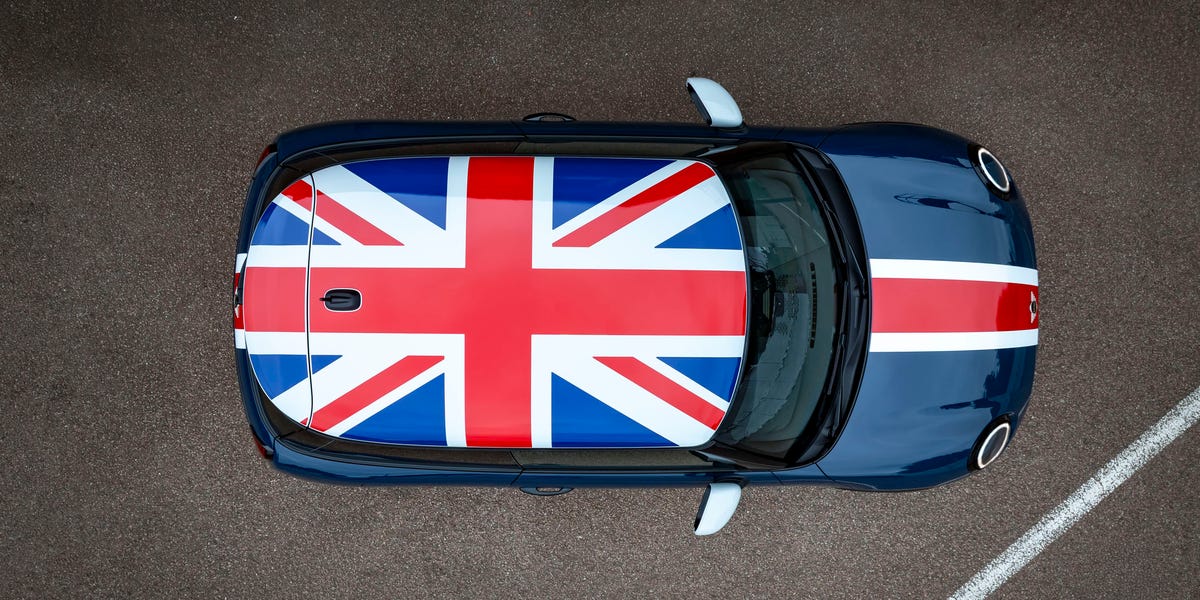
The combustion Cooper might follow the same path. Autocar separately reported that the BMW 1-series, which shares its platform with the gas-powered Cooper, will revert to rear-drive in 2028. BMW development boss Joachim Post was coy but not exactly ambiguous when asked if Mini would do the same.
He told the outlet the brand would pick “the optimum for the package” and that “sheer driving pleasure” is Mini’s top priority. That’s corporate-speak for yes.
There’s an interesting split happening inside Mini right now. The current gas Cooper is a deep refresh of the previous generation, still riding on older bones. The EV Cooper already sits on a more modern platform, but both are front-drive cars.
Shifting one or both to rear-drive would represent the most fundamental engineering change the nameplate has seen since BMW took over the brand.
Mini design chief Holger Hampf told Autocar that the Cooper’s proportions and style are “non-negotiable.” That’s the reassurance meant to calm anyone who hears “rear-drive BMW platform” and pictures something that looks like a shrunken 3-series. Packaging a rear motor under a car this small without distorting the classic short-overhang, cab-forward silhouette will be a genuine engineering challenge.
The original Mini was front-drive because Alec Issigonis needed every cubic inch of interior space in a car barely ten feet long. Transverse engine, front-drive, wheels pushed to the corners. It was brilliant packaging born from brutal constraints.
BMW’s modern Mini kept that layout partly out of respect and partly because it worked. But electric motors change the math. They’re smaller, more flexible in placement, and don’t require a transmission tunnel eating into cabin space.
Rear-drive also happens to be what enthusiasts have always wanted from a small, tossable car. The original Cooper S was a front-drive legend, but torque steer and understeer were always part of the bargain. A rear-drive Mini with an electric motor’s instant torque could feel like an entirely different animal.
The next Cooper EV is expected within the next few years. Mini hasn’t confirmed any of this officially. But Gen6 is where BMW is spending its money, and Mini doesn’t have the volume to justify a bespoke platform.
The architecture dictates the outcome, and right now, that architecture only knows how to push from behind.

Share this Story