


Sales down 30.2 percent in the first half of 2026. That is the number hanging over BMW’s entire Chengdu Motor Show strategy, and it explains why the automaker is throwing everything it has at the 29th Chengdu International Motor Show, which opens August 21.
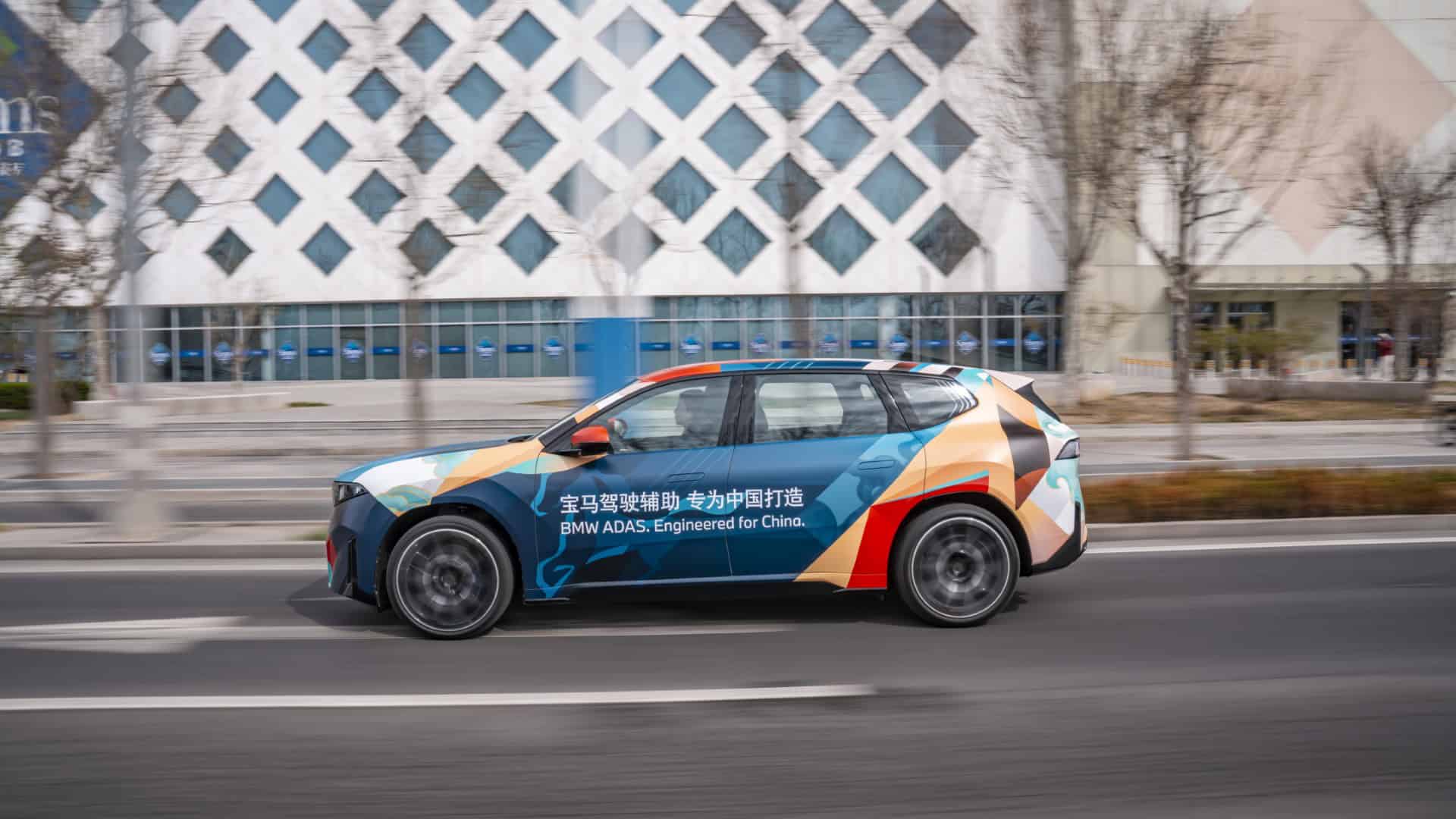
The centerpiece is the Neue Klasse iX3, which opens for pre-orders on day one. BMW will reveal full specs, configurations, and pricing at the show. The Chinese-market iX3 gets a longer wheelbase than its European and North American counterpart, a Gen6 electric drivetrain claiming more than 900 kilometers of range on the CLTC cycle, and 800-volt architecture supporting charging speeds up to 400 kW.
Those are competitive numbers in a Chinese EV market that has brutalized foreign automakers.
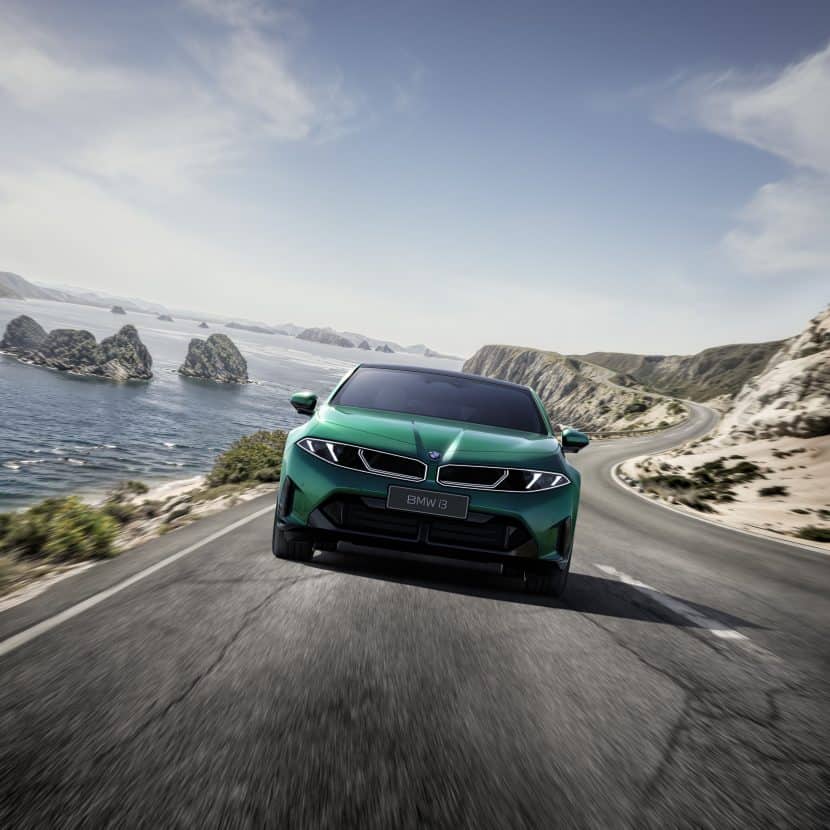
The Neue Klasse i3 sedan will also get a deeper public showing in Chengdu, following its initial debut at Auto China in Beijing earlier this year. BMW claims its CLTC range tops 1,000 kilometers. Like the iX3, it was purpose-built for China, with unique door handles and a long-wheelbase “L” variant that acknowledges what Chinese rear-seat passengers expect.
Both cars carry technology developed specifically for the Chinese market, including localized driver-assistance and infotainment systems. BMW is no longer pretending that a global product lightly seasoned for local tastes will cut it in a country where BYD, NIO, and Xiaomi are setting the pace.
The show floor won’t be all electric. BMW is officially launching a China-only M3 Edition 40 Jahre at Chengdu, plus displaying the 2027 X3. It is a deliberate signal that BMW still sees value in combustion and hybrid products even while pushing the Neue Klasse narrative hard.
Then there is MINI, which is skipping the traditional booth-only approach. Customized MINI models will appear at shopping districts and city landmarks around Chengdu starting August 21, turning the city itself into a showroom. It is guerrilla marketing aimed squarely at people who will never walk into an exhibition hall, and it fits MINI’s personality-driven brand pitch better than another row of cars under fluorescent lights.
BMW’s primary display occupies Hall 14 at the Western China International Expo City. The show runs through August 30.
The context here is stark. BMW has sold more than 2 million 3 Series sedans in China and over 7 million vehicles total across all models in the market. That history makes the current collapse harder to rationalize away. A 30.2 percent drop is not a blip. It is a structural problem, and BMW knows it.
Chengdu is where the Neue Klasse pivot meets commercial reality. Pre-orders for the iX3 will be the first measurable test of whether BMW’s most expensive product development program in decades can actually move the needle in the world’s largest EV market. Range numbers and charging speeds look strong on paper. Localized engineering choices suggest BMW has finally internalized that China requires bespoke products, not warmed-over global platforms.
Whether any of it translates into recovered market share is a question Chengdu can start to answer but certainly will not settle. BMW built these cars for a market that has spent the last two years walking away from European brands at an accelerating rate. The iX3 order books open in ten days.
Share this Story