
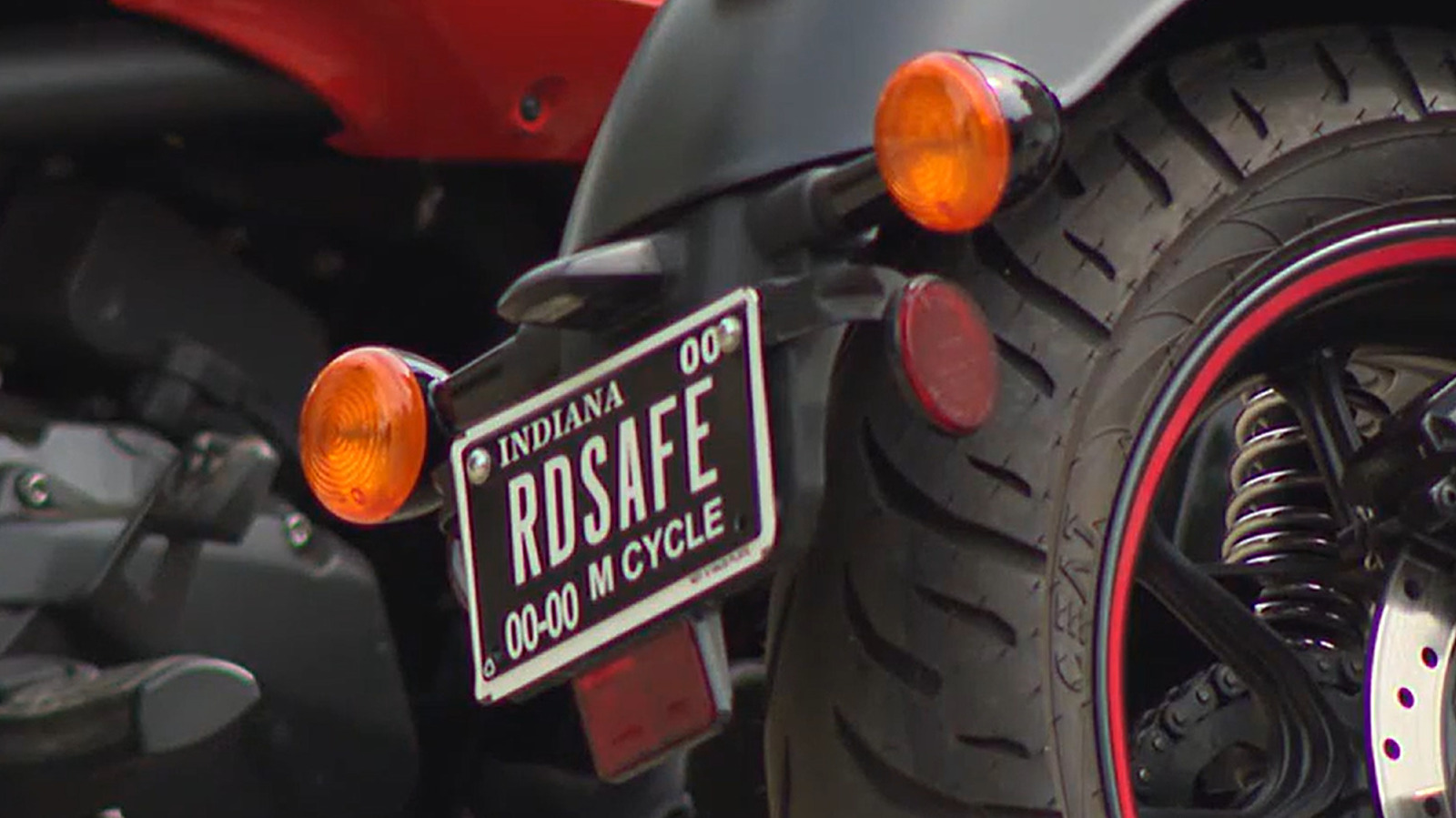


There’s a quiet rebellion happening on American bumpers. Blackout license plates — those slick, black-background tags with crisp white lettering — are spreading across the country, and states are tripping over themselves to cash in on the trend.
Right now, only a handful of states let you legally run a blackout plate: Iowa, Colorado, Mississippi, Utah, Minnesota, Indiana, North Dakota, Kansas, and Wisconsin. California and Florida offer close variations with their own twist on the dark aesthetic. If you don’t live in one of those places, you’re stuck with whatever standard-issue design your state slaps on your bumper.
But that list is growing fast. Kansas is the latest to jump on board, driven entirely by public demand. Zach Denney from the Kansas Department of Revenue didn’t mince words about it, telling Fox 4 that “Kansans take pride in their license plates, and we’ve heard how much they love the blackout plate design offered in surrounding states, so we knew we had to bring this design to Kansas.”
The appeal isn’t hard to understand. Car enthusiasts spend years and thousands of dollars dialing in paint jobs, body kits, and wheel setups, only to have a garish, multicolored state plate ruin the whole vibe. In an era of monochromatic builds and minimalist aesthetics, a blackout plate is the finishing touch that actually makes sense.
And they’re not just cool — they’re a money machine for state governments. Utah’s black-and-white historic plate alone generates over $4 million annually in revenue. That’s real infrastructure money coming from people who are happy to pay for the privilege.
Indiana charges $45 for its version. Wisconsin rolled out a blackout option in 2024 for just $15. It’s a rare policy where drivers and bureaucrats both walk away satisfied.
Here’s what most people don’t realize: blackout plates aren’t remotely new. Colorado reissued a selection of historic plate styles in 2023, including a blackout design that first appeared in 1945. Utah changed plate colors almost every year between 1909 and 1968, choosing black and white no fewer than 17 times.
California’s beloved black-and-yellow legacy plates date back to the 1960s and were revived in 2012. Fashion is cyclical, even on license plates.
What is genuinely new is the cottage industry of illegal alternatives. A quick online search turns up dozens of sellers hawking “ghost” plates and blackout replicas for as little as ten bucks. They look fantastic, but they’re also completely illegal for road use, no matter what state you’re in.
These plates lack the retroreflective sheeting that law enforcement’s automated plate readers depend on, and mounting one on a vehicle driven on public roads is a fast track to a citation or worse. The same goes for DIY modifications. Painting your existing plate, slapping a tinted cover over it, or wrapping it in vinyl all violate visibility laws in virtually every state.
It doesn’t matter how clean the result looks on your Instagram feed.
If you want one legally, the process is straightforward. Visit your state’s DMV website, confirm eligibility, select the blackout design, pay the fee, and wait for it to arrive. Some states restrict eligibility by vehicle classification or age — California’s legacy plates, for instance, require the vehicle to be at least 30 years old. Others, like Indiana, make them available to anyone willing to pay.
The bigger story here is what this trend signals about how states think about license plates. For decades, plates were purely functional — a registration number on a stamped piece of aluminum. Now they’re becoming a genuine revenue stream and a point of civic identity.
As more drivers demand aesthetic options and more states see the dollars rolling in from neighbors who already offer them, expect the blackout map to expand significantly in the next few years.
For now, if you’re sitting in a state without the option, patience is your best bet. The momentum is clearly building. And whatever you do, skip the Amazon knockoff — that thirty-dollar savings won’t feel so sweet when you’re explaining yourself at a traffic stop.
Share this Story