


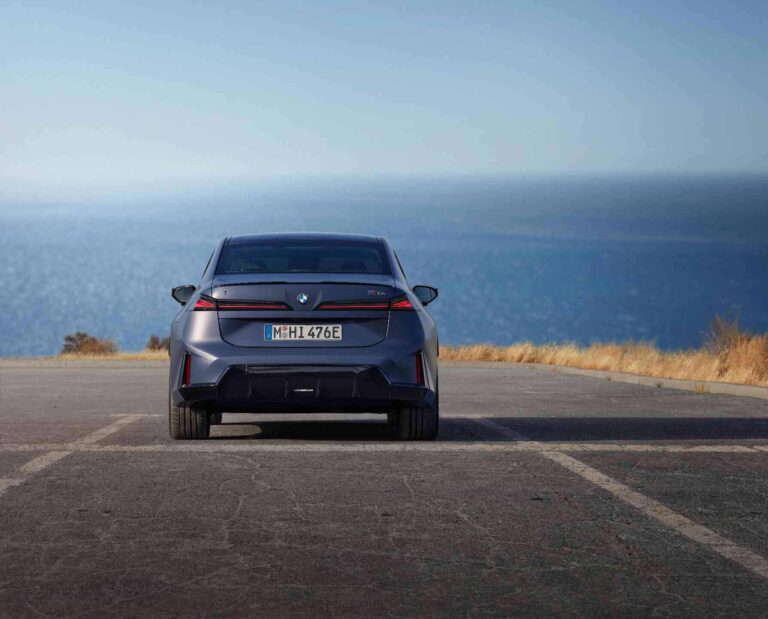
Frank Van Meel has never been one for half-measures, and the BMW M boss just made that abundantly clear. In an interview with Piston Heads, Van Meel confirmed the next-generation M3 “won’t be hybrid, as we’re sticking with the perfect combustion principle.” Buyers will get a gas engine or a battery. Pick a lane.
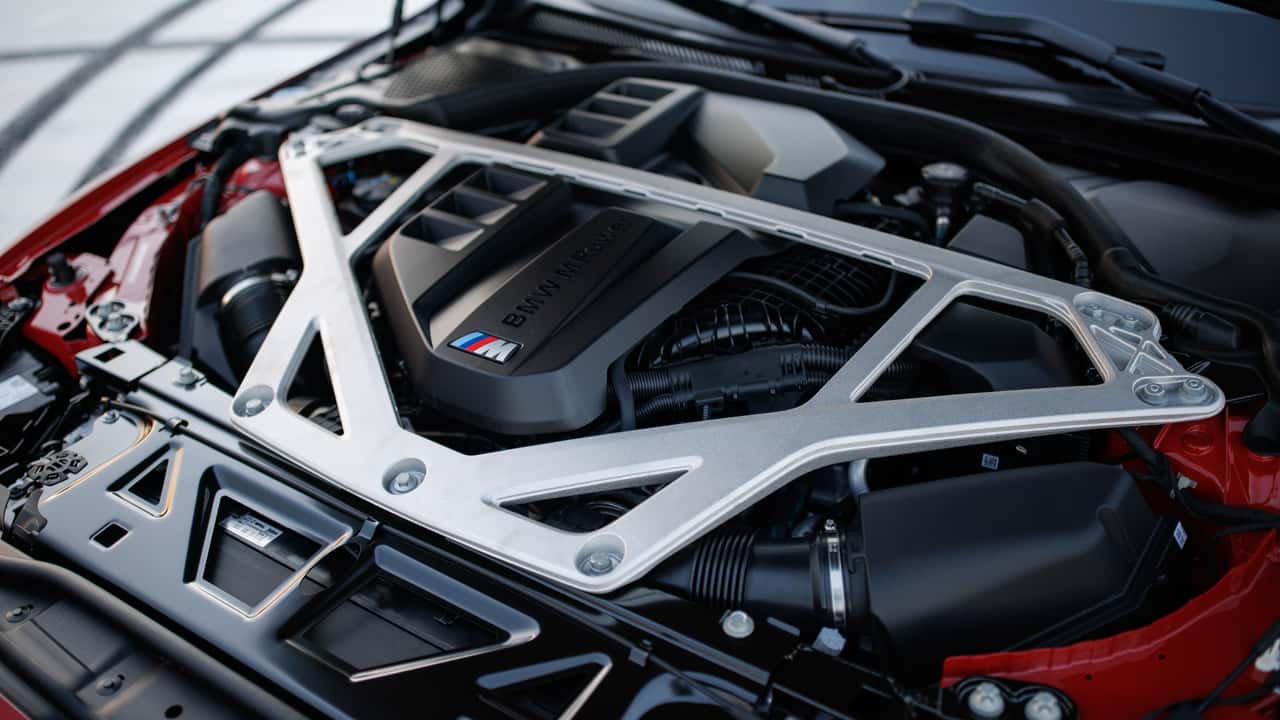
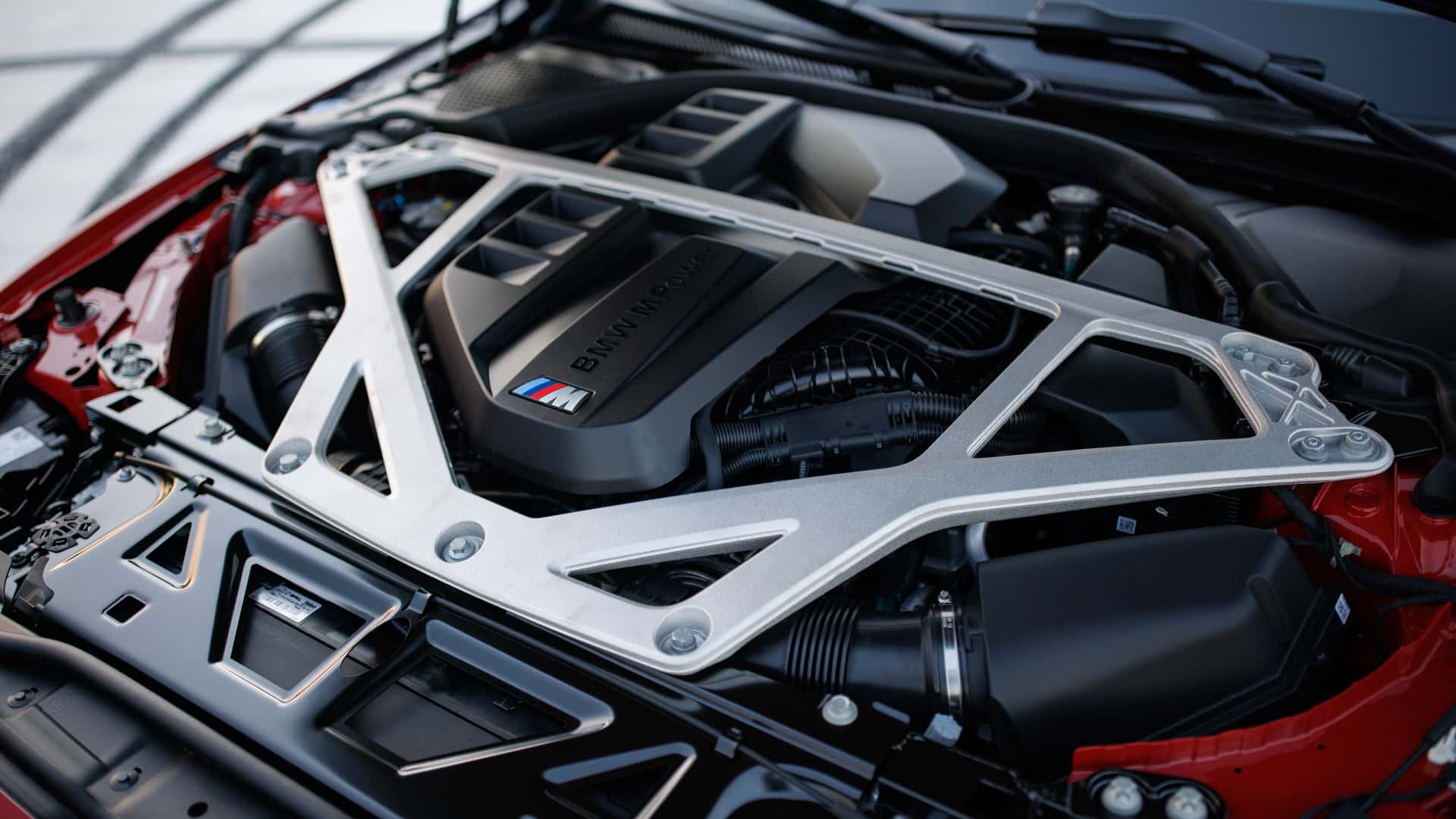
The combustion M3 will carry forward BMW’s updated S58 inline-six with M Ignite technology, a powertrain launching this year in the current M3 and M4. It will likely include a 48-volt mild-hybrid system for efficiency gains, but that’s a far cry from a plug-in setup with a heavy battery pack and electric motor bolted to the drivetrain.
Van Meel’s phrasing was deliberate. The split approach lets BMW “go to the extremes,” he said, rather than compromise both directions to land in a muddled middle.
Anyone who watched the M5 launch understands why this matters. That car arrived as a plug-in hybrid tipping the scales past 5,300 pounds, and the internet was merciless. BMW clearly absorbed the lesson. Strapping a large battery to a sports sedan designed around agility and driver engagement is a losing proposition when the whole point of the M3 has been balanced, communicative performance since 1986.
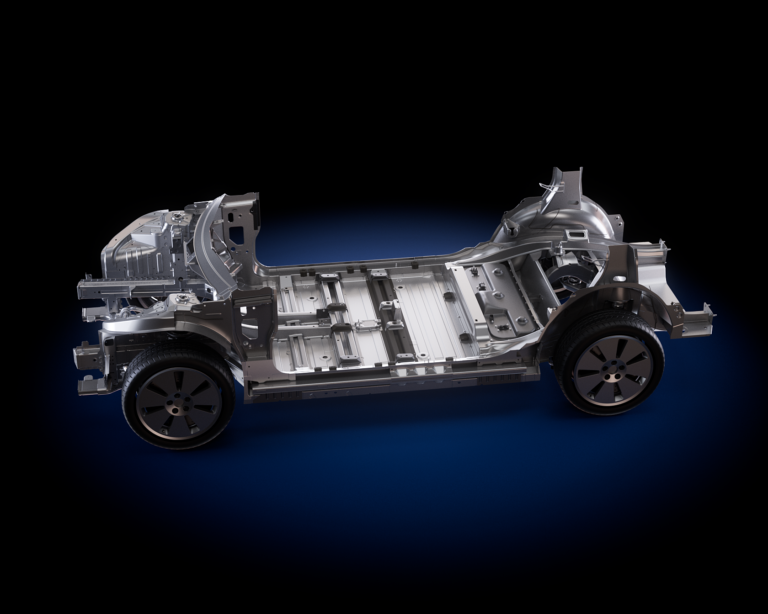
The electric M3, built on BMW’s Neue Klasse platform, is a different animal entirely. Van Meel promised it will be “faster around a track” than its combustion sibling, not just quicker in a straight line. The architecture was designed from the ground up for electric power, which means weight distribution and structural rigidity were baked into the platform rather than retrofitted.
By splitting the lineup into two distinct cars rather than one compromised hybrid, BMW is betting that each version can be best-in-class for its powertrain type. The combustion M3 stays light and visceral. The electric M3 exploits the torque and low center of gravity that batteries provide when the platform is built for them.
It’s a cleaner strategy than what Mercedes-AMG is doing with the C63, which ditched its V8 for a turbocharged four-cylinder plug-in hybrid and alienated a significant portion of its audience in the process. BMW is saying the inline-six faithful and the EV converts are two different customers who want two different things. Neither should have to settle.
The 2027 model year will mark the end of the current M3’s run, with the M3 CS Handschalter sending it off with a manual gearbox. What follows is this twin-track approach, combustion and electric living side by side in the showroom, each making its own case.
Whether the market supports two parallel M3 models at volume remains the open question. BMW is wagering that purists will pay for a naturally aspirated-feeling inline-six experience with minimal electrification, while tech-forward buyers will embrace an electric sedan that can embarrass supercars on a circuit. Both customers exist. Whether there are enough of each to justify separate engineering programs is a business problem, not an enthusiast one.
Van Meel sounds confident. He should be. The alternative was another 5,300-pound apology tour, and BMW clearly has no appetite for that conversation again.
Share this Story