
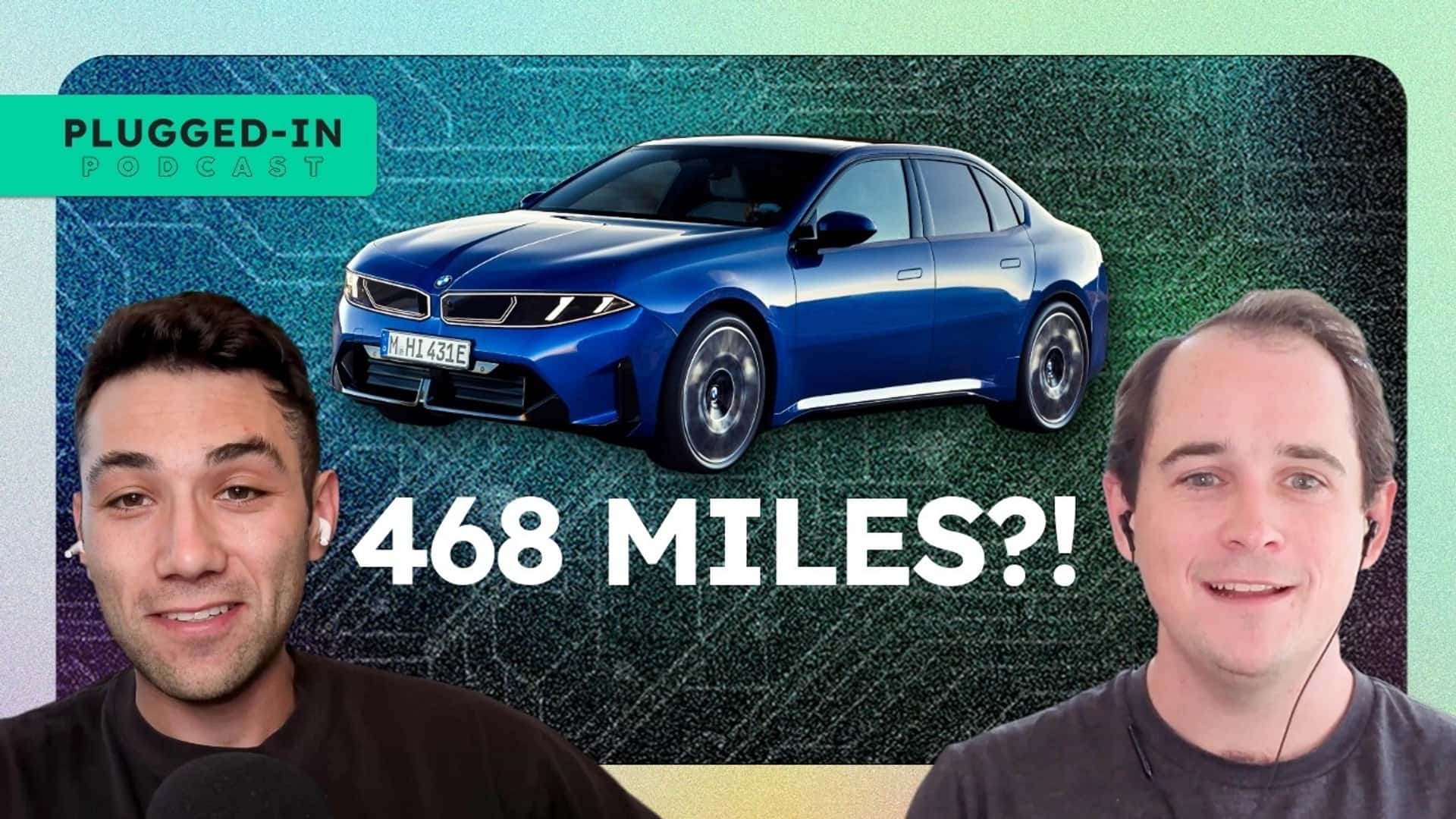


Four hundred and sixty-eight miles. That’s the EPA-rated range BMW is claiming for the i3 50 xDrive, the electric version of its most important sedan. It beats every Tesla currently on sale.
It leapfrogs the Audi A6 E-Tron’s 395 miles and the Volvo EX60’s estimated 400. Only the Lucid Air, which has held America’s range crown for five years, sits higher.
BMW priced the thing at $61,500, roughly in line with a comparably equipped gas-powered 3-Series. That detail alone shifts the conversation. This isn’t a six-figure science project.
It’s a car aimed squarely at the heart of BMW’s lineup, arriving early next year with all-wheel drive standard.
The range war in luxury EVs has escalated fast. Tesla cracked the 400-mile barrier with the Model S back in 2020. Five years later, 400 miles is becoming table stakes for premium electrics.
Mercedes is expected to land the C-Class EV somewhere in that neighborhood. The ceiling keeps rising, and BMW just shoved it up another few floors.
But the real tension isn’t about whether BMW can deliver 468 miles. It’s about whether anyone actually needs it.
Surveys consistently show range anxiety remains one of the top reasons American buyers hesitate on EVs. More range should, in theory, neutralize that fear. Give someone nearly 500 miles on a full charge and the mental math around charging stops disappears.
For drivers in cold climates pounding highway miles, the extra buffer isn’t luxury. It’s insurance against the brutal efficiency losses that winter and speed inflict on any battery.
The counterargument is equally sharp. Every extra kilowatt-hour of battery capacity adds weight, cost, and embedded emissions. A 350-mile version of the i3, which BMW will offer, could serve the vast majority of buyers just fine and come in cheaper.
As the public charging network gets faster and more reliable, the case for a massive battery weakens. Nobody demands a 700-mile gas tank.
The Lucid Air proves the point from the other side. It has held the range crown at over 500 miles since 2021, and it hasn’t translated into sales volume. Lucid remains a niche player. Range supremacy alone doesn’t move metal.
What BMW has done differently is package the range inside a car people already want. The 3-Series is one of the best-selling luxury sedans in history. Buyers don’t need to be convinced to cross-shop it.
They just need a reason to pick the electric one over the gas version. Nearly 500 miles of range and price parity with the combustion model is a strong pitch.
The charging landscape is shifting underneath all of this. Tesla’s Supercharger network is opening to other brands. Hyundai, Mercedes, and BMW are building their own high-speed charging joint venture.
If reliable fast charging becomes as common as gas stations within the next five years, the arms race for maximum range starts to look like solving yesterday’s problem with tomorrow’s battery.
Still, BMW clearly decided that for this moment, overkill is the strategy. The psychological gap between “enough range” and “so much range you forget it’s electric” might be exactly what converts the next wave of skeptics.
Whether the market rewards that bet or shrugs at it the way it shrugged at Lucid’s 500-mile Air will say a lot about what EV buyers actually value versus what they say they want in surveys. BMW has placed its chips. The first deliveries will tell the rest of the story.
Share this Story