
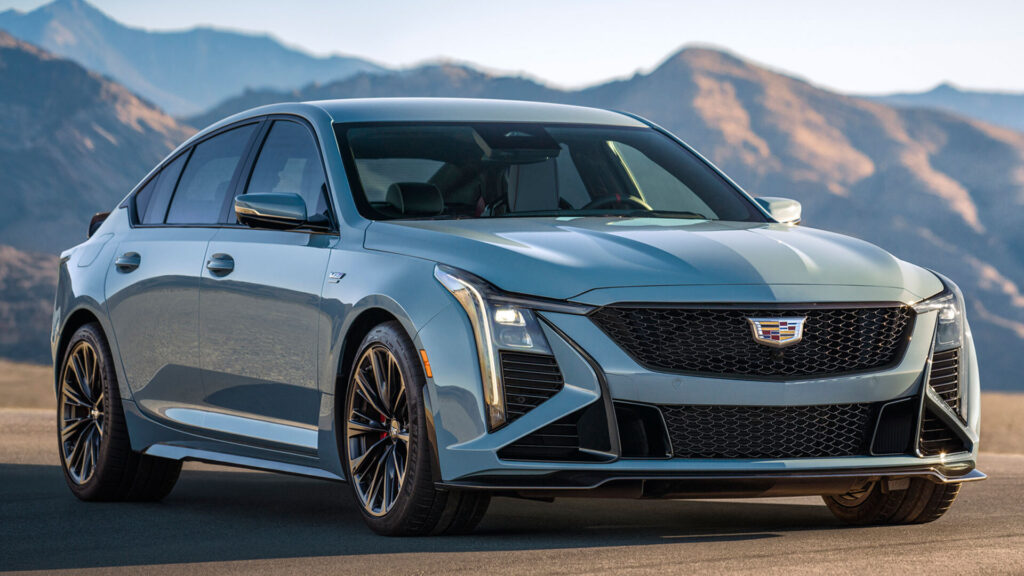


Cadillac moved 4,311 CT5 sedans last quarter. That was more than the Lyriq, more than the Optiq, more than the Vistiq, and more than the Escalade IQ. The sedan that Detroit’s luxury brand supposedly de-prioritized years ago quietly outran nearly every electric crossover in the lineup.
And Cadillac’s response? It just killed the CT4, the other sedan that was also posting gains.
CT4 sales climbed 9.4% in Q2 to 1,564 units, with year-to-date volume up nearly 18%. Production ended last month anyway. So a sedan with rising demand gets the axe while the Escalade IQ, which managed just 1,771 sales and declined 2.2%, soldiers on as a pillar of the brand’s electric future.
The broader picture is ugly. Cadillac’s total Q2 sales cratered 19.2% to 35,825 units. Year-to-date, the brand is down 22.3%, the steepest decline of any GM nameplate. Buick, with its own 20.9% slide, is the only sibling keeping Cadillac from total embarrassment on the corporate leaderboard.
The bleeding is self-inflicted. Cadillac axed the XT4 and XT6 crossovers, and those two models alone accounted for 8,869 sales in Q2 2025. Their replacements haven’t arrived yet.
The XT4 managed a pitiful 83 deliveries last quarter from leftover inventory. The XT6 scraped together 888. That’s a combined loss of nearly 8,000 units with nothing to fill the gap, though a new gas-powered XT6 built at Spring Hill, Tennessee, is rumored to be in the works.
GM called Cadillac “America’s luxury EV leader” in its quarterly release, which is technically accurate the way being the tallest person in a short family is technically impressive. The Optiq posted a healthy 31.4% gain to 4,236 units. The Vistiq, still in its launch phase, climbed 14.7% to 2,001.
But the Lyriq, Cadillac’s flagship electric crossover, dropped 16.1% to 4,208 units. Year-to-date, the Lyriq is off 18.7%.
Even the gas-powered Escalade, the franchise’s cash register, slipped 5.9% to 10,999 units. Year-to-date Escalade volume has fallen 17.7% to just over 20,000, a troubling trajectory for the truck that funds Cadillac’s ambitions.
The one bright spot GM highlighted was V-Series, which posted its best quarter and best first half ever. Credit the Optiq-V and Lyriq-V for padding those numbers. But the CT4-V and CT4-V Blackwing that helped build V-Series into something enthusiasts actually cared about are now gone.
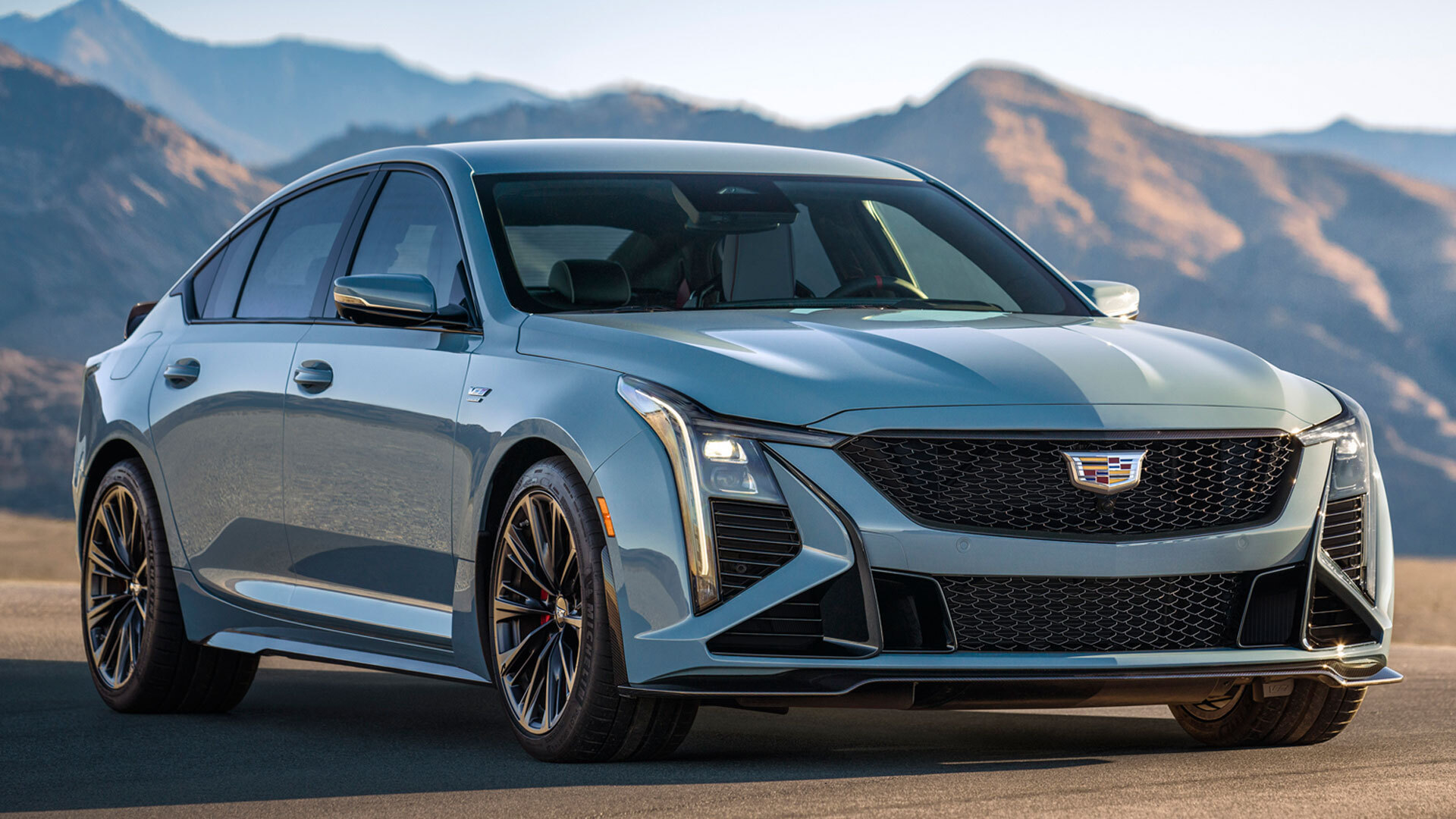
The CT5-V Blackwing, with its 668-horsepower supercharged V8 and available six-speed manual, remains the last true performance statement in the lineup. For now.
The ancient XT5, a crossover that hasn’t seen a meaningful update in years, still managed to lead non-Escalade sales at 5,764 units. It outsold every EV Cadillac makes. That a model running on borrowed time continues to be this relevant says everything about where Cadillac’s customer base actually is versus where the brand wants it to be.
Cadillac is caught in a transition that’s costing it volume without delivering the EV momentum it promised. The sedans customers wanted are being eliminated. The crossovers that generated real sales have been pulled before replacements were ready.
The EVs that were supposed to carry the brand are collectively outsold by a single aging gas crossover. The numbers don’t lie. Cadillac is shrinking itself in pursuit of a future that keeps arriving slower than the product plan assumed.

Share this Story