
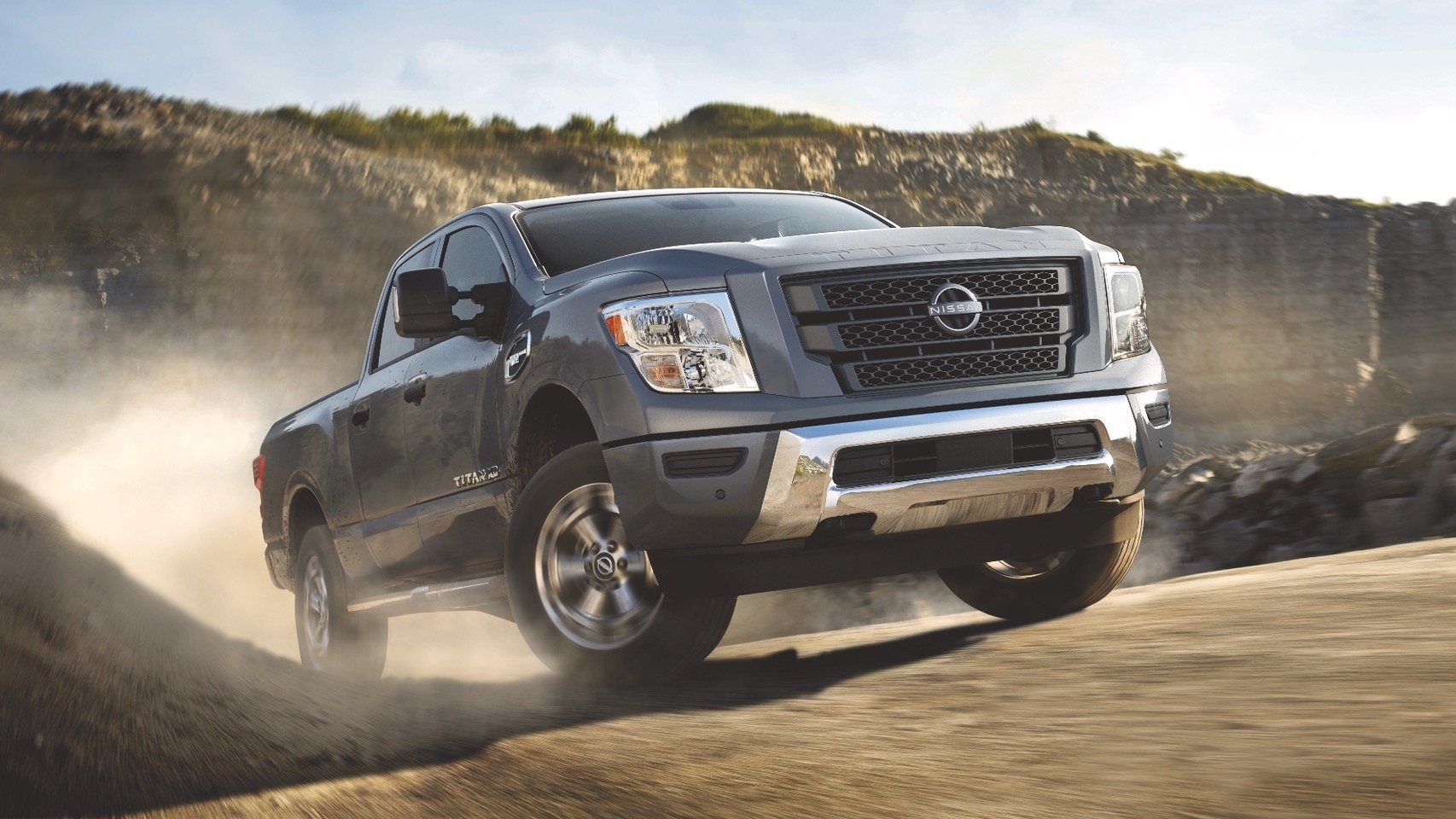


Six hundred and fifteen percent. That’s how far the Nissan Titan’s headlight glare exceeds what the IIHS considers a safe limit. And every single unit sold was perfectly street legal.
A new study from Overnight Glasses crunched IIHS headlight-testing data across 257 models and cross-referenced it with vehicle height, creating a composite glare index that accounts for how close those blazing LEDs sit to oncoming drivers’ eye level. The Titan, specifically the second-generation model sold from 2017 to 2024, topped the list with an index score of 100. The worst of the worst, across 16 different headlight configurations the IIHS tested over that truck’s production run.
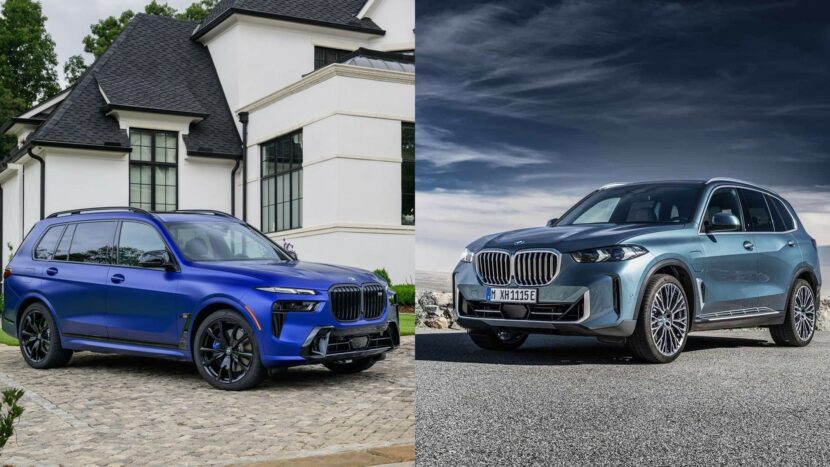
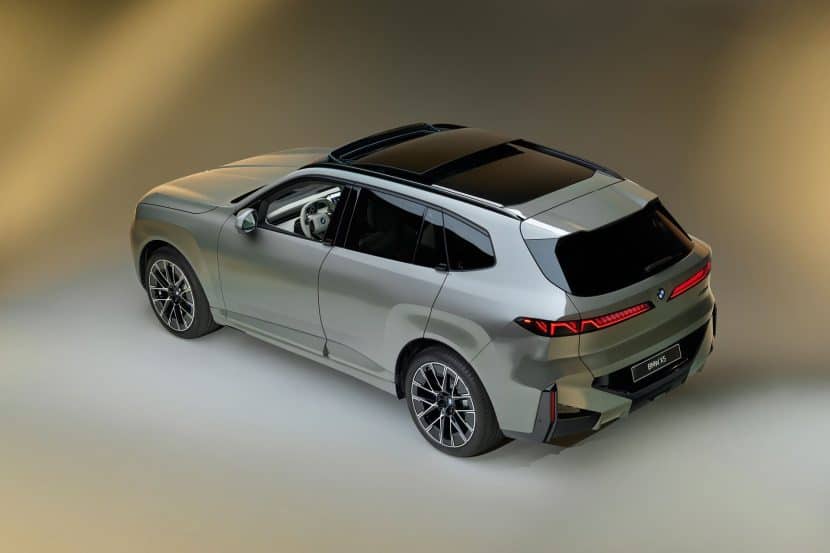
The BMW X5 actually produced more raw glare, hitting 677.8% above the IIHS limit across 12 headlight variants. But because it sits lower than the Titan, the height-adjusted index scored it at 95.6. Cold comfort if you’re staring into one on a two-lane road at 10 p.m.
Full-size pickups dominated the rankings, which surprises exactly no one who has driven anything smaller than a Tahoe in the last five years. The Chevrolet Silverado 1500 ranked second. The Ram 1500 came in third.
The GMC Sierra 1500 grabbed fifth. Ford’s F-150, the bestselling vehicle in America, landed at 10th, with a lower glare index than the Ford Edge, Lincoln Nautilus, and Kia Sedona. That last detail is worth sitting with for a moment.
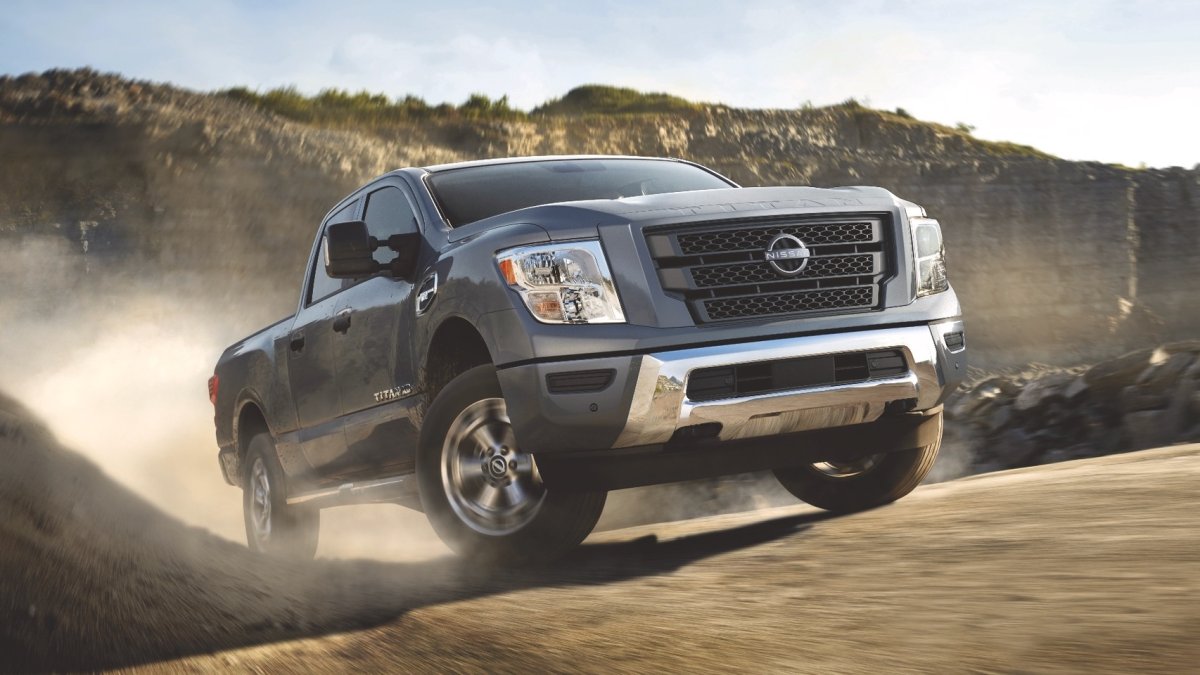
The study’s methodology is straightforward. IIHS already measures headlight glare as part of its safety evaluations, and many vehicles fail badly. What Overnight Glasses did was layer in the physics of vehicle height, because a headlight producing identical output at 72 inches off the ground is a different animal than one at 52 inches. It hits you right in the retinas instead of the dashboard.
A recent AAA survey found that 60% of U.S. drivers consider headlight glare a problem at night. Three quarters said it has gotten worse over the past decade. They are not imagining things.
Vehicles have gotten taller, headlights have gotten brighter, and federal standards have done almost nothing to keep pace. Every vehicle on the list meets FMVSS 108, the federal motor vehicle safety standard governing lighting. The rules set minimum brightness thresholds but do almost nothing to cap glare output or account for mounting height.
IIHS tests reveal the gap between what the government requires and what actually keeps people safe on the road, and that gap is enormous. Automakers have little incentive to fix what regulators refuse to address. They can legally sell headlights that exceed the IIHS glare threshold by seven times over.
Adaptive driving beams, a technology that could help by selectively dimming portions of a headlight beam to avoid blinding oncoming traffic, were only recently permitted under U.S. rules after years of delays. Adoption remains thin.
The truck boom shows no signs of slowing. Average vehicle height keeps climbing. LED and laser headlight technology keeps getting more intense, and the federal standard governing all of it was written for a different era of cars and roads.
The next time someone flashes their lights at you, they might not be angry. They might just be trying to see.
Share this Story