
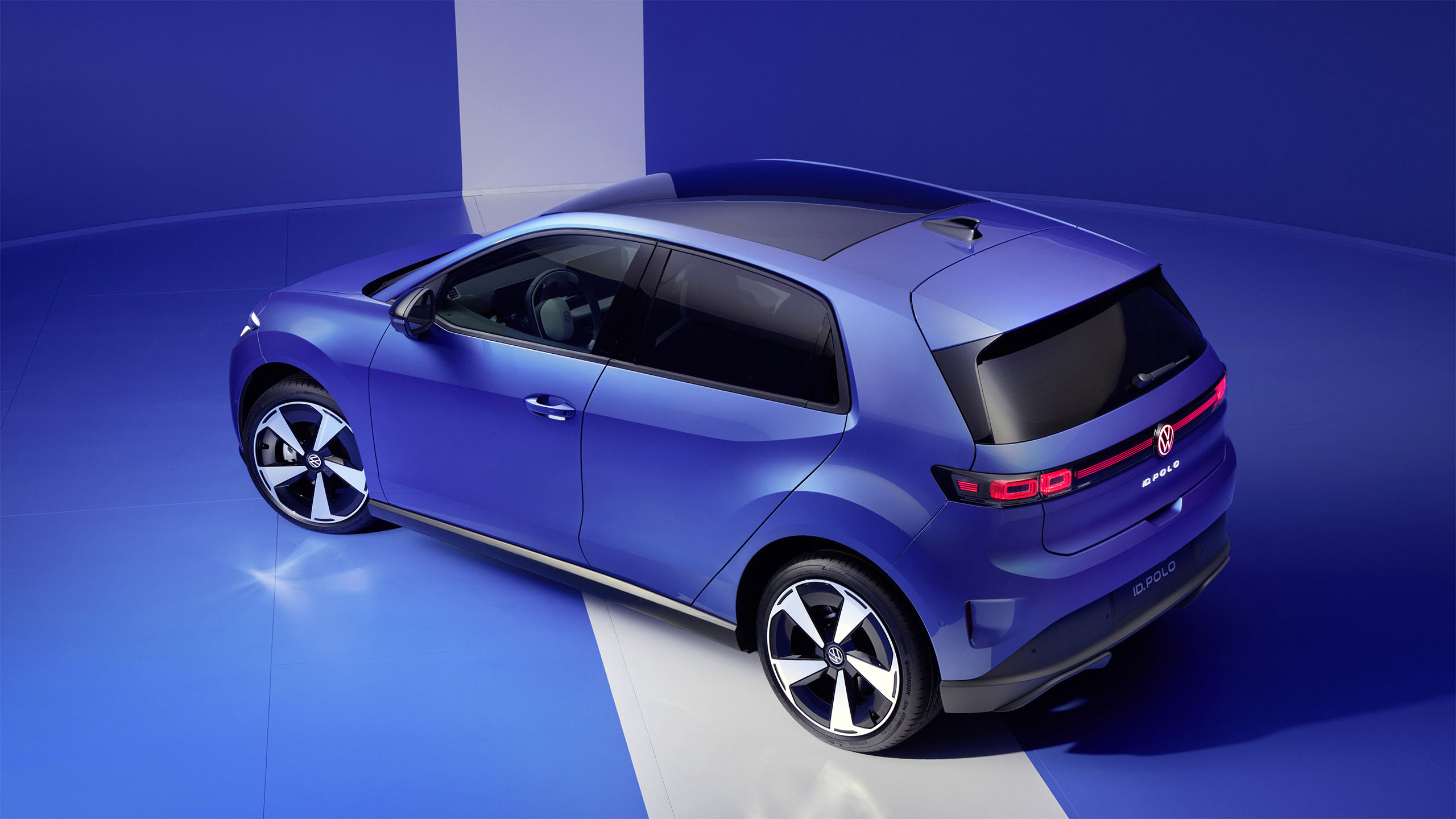


Volkswagen just revealed the production ID. Polo, and it lands like a rebuke to every automaker that insists affordable EVs are impossible. A 54-kWh battery delivering roughly 280 miles of range. A 10-to-80% DC fast charge in about 20 minutes.
A starting price equivalent to $29,240 in Germany. Real buttons on the steering wheel. And styling that actually survived the translation from concept to production largely intact.
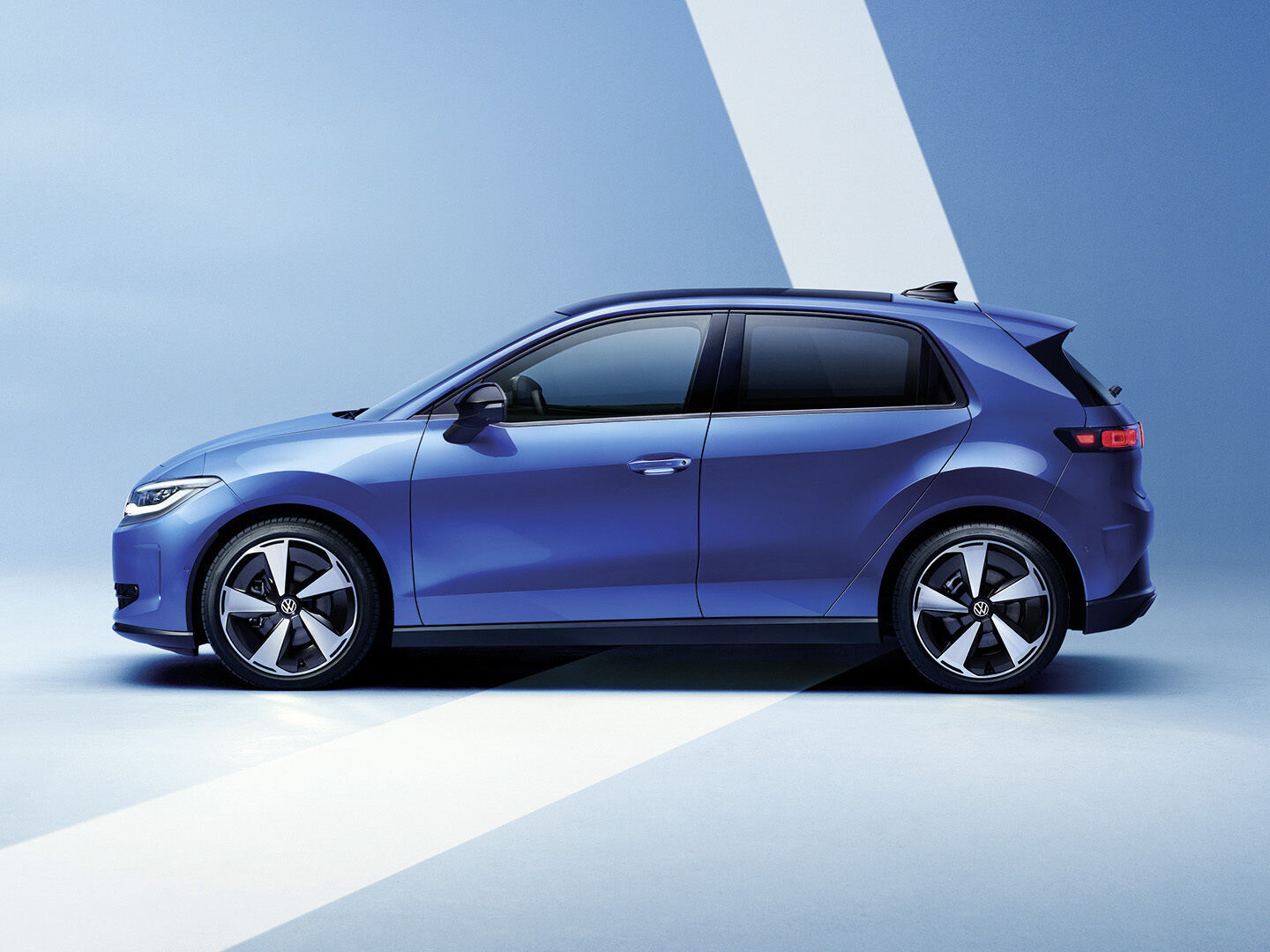
That last part alone is worth pausing on. Concept-to-production fidelity is where most automakers lose the plot, sanding off every interesting surface in the name of cost reduction. VW didn’t do that here.
The ID. Polo sits on a platform purpose-built to deliver what Volkswagen has been promising since it first uttered the phrase “electric people’s car.” A compact EV that ordinary buyers in ordinary income brackets can actually consider. The original Beetle democratized mobility, the Golf defined a segment, and the ID. Polo is Wolfsburg’s latest attempt to prove that electrification doesn’t have to be a luxury tax.
The efficiency numbers tell a compelling story. Pulling 280 miles from a 54-kWh pack would make the ID. Polo one of the most efficient EVs on sale anywhere. For context, the Chevrolet Equinox EV needs a 79-kWh battery to hit roughly the same range, and Tesla’s Model 3 Standard Range uses a pack in the low 60s.
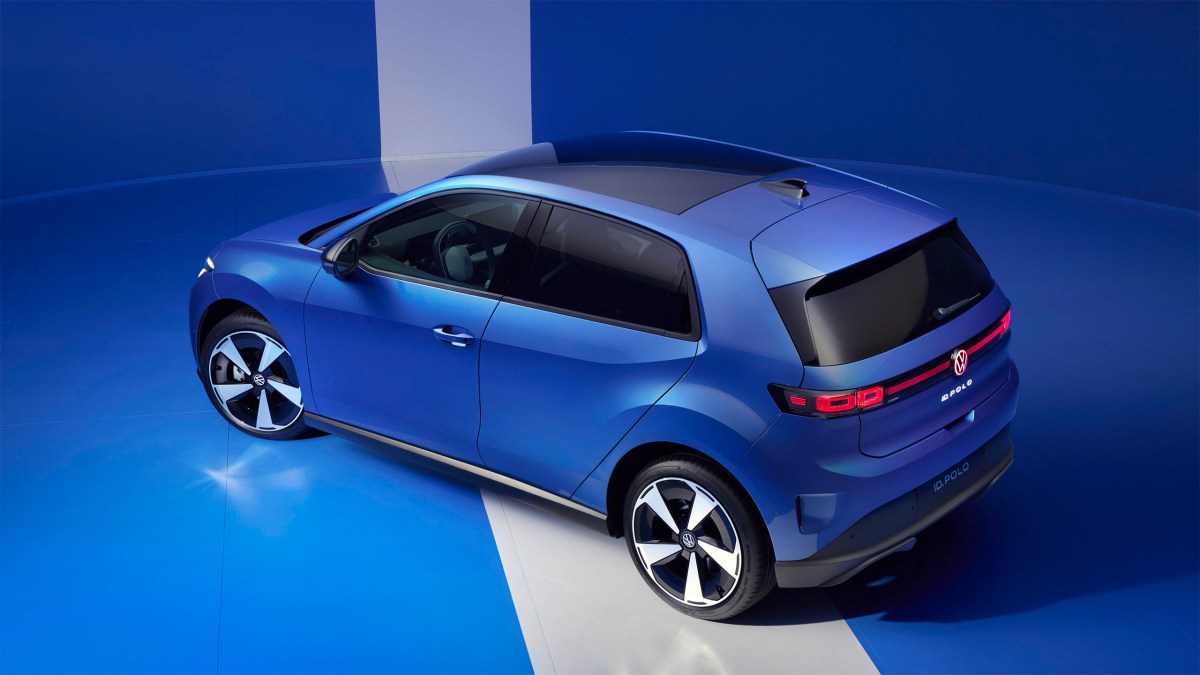
VW is doing more with less here, and the fast-charging speed suggests the thermal management is sorted too. Volkswagen is positioning the car as “much more than a city car,” and the specs back that up. This isn’t a compliance car or a glorified golf cart with a 100-mile leash.
Now for the part that stings. The ID. Polo is not coming to the United States. Not now, probably not ever.
America’s appetite for small cars has been in hospice care for years, and the current tariff environment makes importing a compact European EV about as financially sensible as lighting money on fire. So Americans get to watch from the sidelines while Europeans shop a well-priced, well-designed electric hatchback from one of the world’s largest automakers.
The timing is pointed. Stateside, the affordable EV conversation has stalled. The Chevrolet Equinox EV is the closest thing to a people’s car America has, and it’s a crossover, because that’s the only shape the U.S. market rewards.
Meanwhile, Chinese automakers like BYD are flooding global markets with cheap EVs, and VW clearly built the ID. Polo with that threat squarely in its crosshairs. At under 30,000 euros, it’s priced to fight.
Whether VW can deliver these numbers at scale and at profit is the question that hangs over every affordable EV promise. The company’s track record with the MEB platform has been uneven. Software headaches, production delays, and margins that made CFOs wince.
The ID. Polo needs to be the car that proves Volkswagen learned from those stumbles. On paper, it looks like they did. The spec sheet is tight, the design is honest, and the price is right.
It’s the kind of car that could actually accelerate EV adoption among people who don’t have $50,000 to spend on a statement vehicle. It’s the kind of car that reminds you what Volkswagen’s name literally means.
And it’s the kind of car that makes the American market’s blind spot for small, efficient vehicles feel less like a preference and more like a structural failure.


Share this Story