
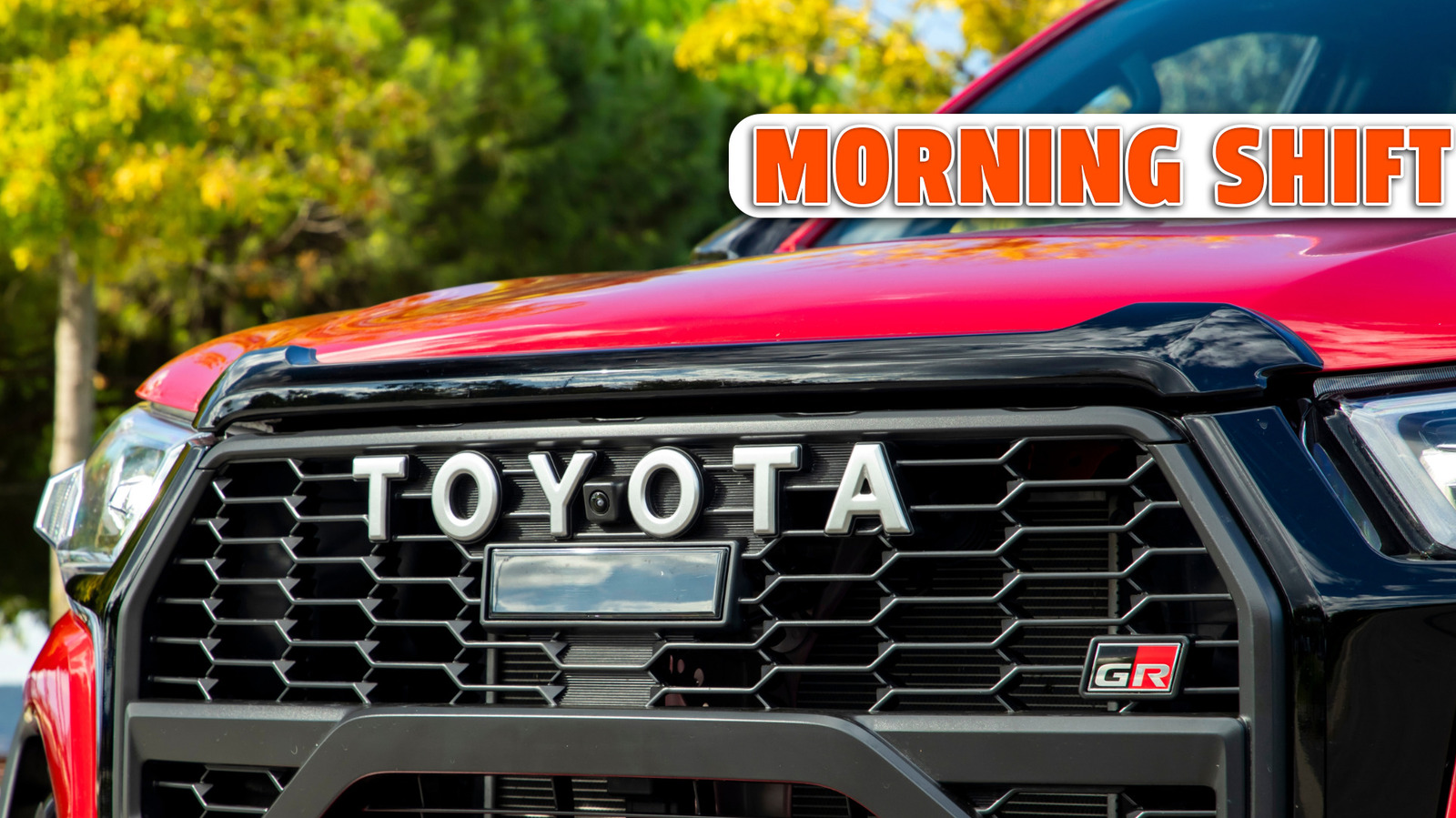


Toyota just got knocked off its perch as Japan’s most valuable company — not by a rival automaker, but by SoftBank, and then flash memory maker Kioxia. After 22 years at the top, that stings.
New CEO Kenta Kon, who officially joined the board June 17 after succeeding Koji Sato on April 1, is responding with the oldest move in the corporate playbook: cutting costs. The former CFO inherits a company staring down $17 billion in tariff exposure, a projected 20 percent drop in operating profit this fiscal year, and a third consecutive year of declining earnings.
Kon’s mandate is clear. Toyota needs to get leaner to fight on two fronts — tariffs and a wave of hungry Chinese competitors eating into global market share. The question is whether a bean counter’s instinct to slash will collide with the thing that made Toyota the world’s top-selling automaker in the first place: relentless product quality.
Cost-cutting at this scale rarely stays invisible to the customer. Interior trim gets cheaper, supplier relationships get squeezed, and features get deleted. Toyota knows this better than most — its reputation was built on giving buyers more than they paid for, not less. The moment a Camry starts feeling like a rental car inside, the brand promise erodes.
Toyota isn’t suffering alone. The broader auto industry is getting hammered by converging pressures that would test any executive suite.
General Motors is watching its bread-and-butter full-size truck and SUV business shrink faster than expected. High fuel prices driven by the war in Iran have accelerated a consumer shift toward smaller, more efficient vehicles. GM North America President Duncan Aldred admitted June 16 that the typical six-month lag between fuel price spikes and buying behavior changes has compressed to roughly 12 weeks. The difference this time: buyers fleeing gas guzzlers have compelling electric and hybrid alternatives waiting for them.
In China, the internal combustion market is in freefall. A locally built Range Rover Evoque L is selling for 179,800 yuan — nearly 60 percent below sticker. Average discounts on gas cars nearly doubled in the first five months of 2025 compared to the prior year, according to the China Passenger Car Association. Plug-in hybrids and EVs, meanwhile, are holding their prices at roughly half the discount rate.
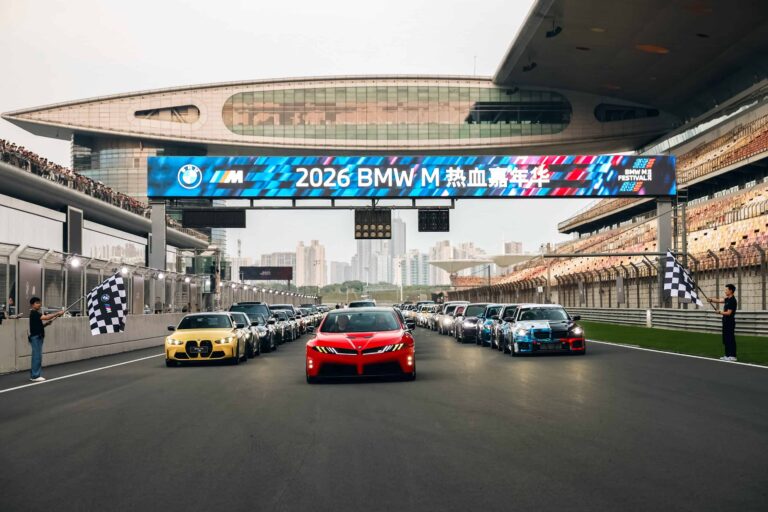
BMW felt that message acutely enough to slash its 2026 outlook. The German automaker now expects an automotive operating margin of just 1 to 3 percent, down from 4 to 6 percent, citing accelerated deterioration in China alongside war-related energy costs and consumer sentiment damage. Deliveries will fall, too.
This is the landscape Kenta Kon walked into. Toyota still sells more cars than anyone on earth, but volume without margin is just expensive busywork. The tariff burden alone would wipe out many competitors. Layer on Chinese brands pushing into Southeast Asia, Europe, and everywhere else Toyota competes, and the strategic challenge goes well beyond trimming corporate travel budgets.
Kon’s predecessor, Koji Sato, focused on product revitalization and emotional design. Kon’s tenure will be defined by spreadsheets. Whether Toyota can cut deep enough to restore profitability without cutting into the muscle — the engineering discipline, the build quality, the ownership experience — is the only question that matters.
History is full of automakers who sharpened the pencil and nicked an artery. Toyota has survived tighter spots than this. But it has never faced this particular combination of threats at once, and it has never had less room to get the balance wrong.
Share this Story