
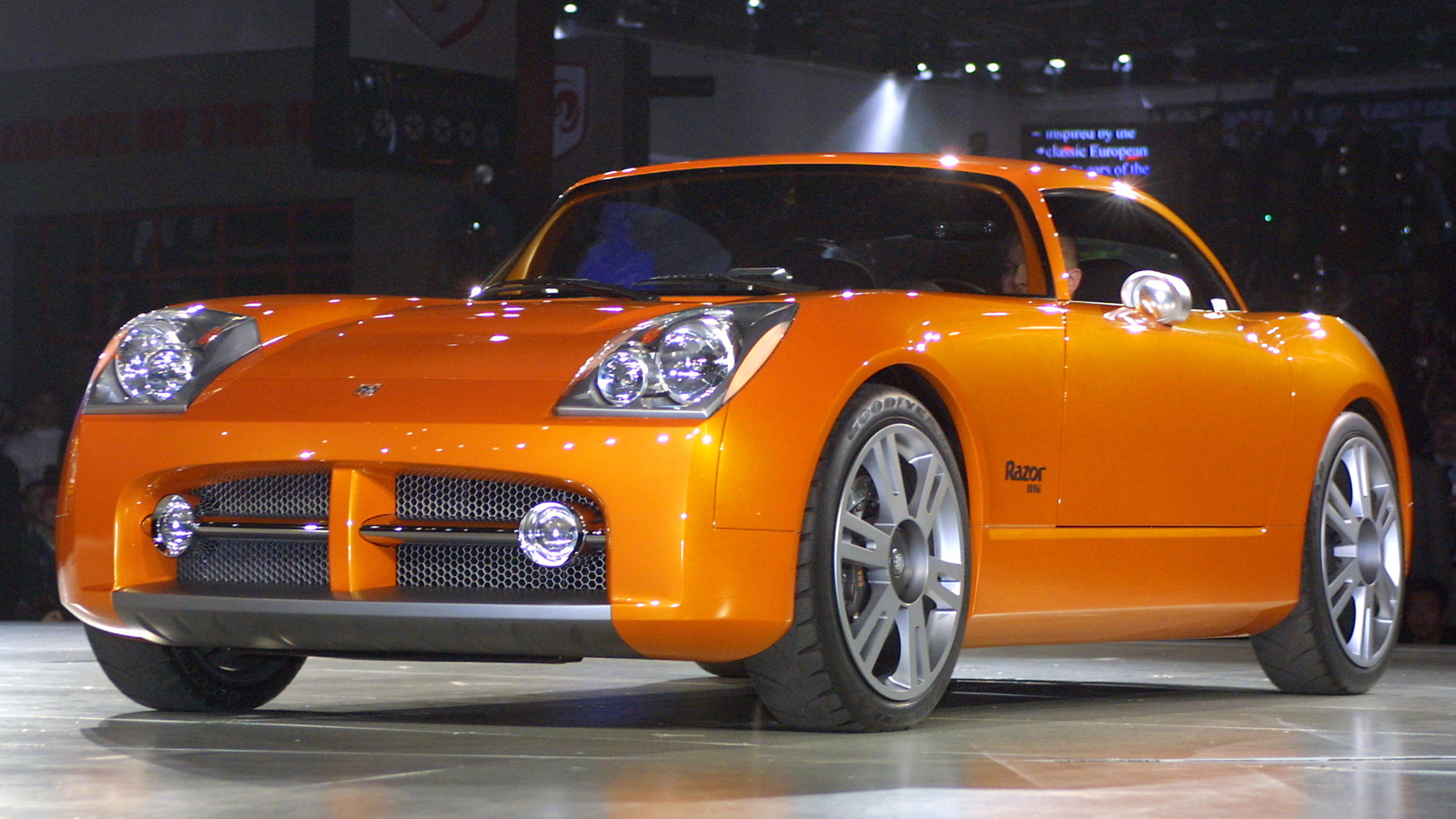


Dodge CEO Matt McAlear told The Drive two weeks ago that his company was exploring an affordable sports car, one with rear-wheel drive, a manual transmission, and a price tag that could undercut the Mazda Miata’s $30,000-plus sticker. The internet lit up. Then reality set in.
The affordable sports car segment is basically a two-horse race right now — the Miata and the Toyota GR86/Subaru BRZ twins. That’s it. The entire global auto industry, hundreds of billions in combined R&D budgets, and three cars is all we get.
It wasn’t always this barren. Alfa Romeo, Lotus, Mercury, Pontiac, Saturn, BMW, Honda, even Mercedes and Porsche once played in this sandbox. Every last one of them walked away.
The economics of small, cheap, fun cars are brutal in an era of ballooning safety regulations, electrification mandates, and consumer appetites that skew toward crossovers the size of aircraft carriers.
So Dodge says it wants in. McAlear’s line about owing dealers and consumers “style, attitude, and performance” at accessible prices sounds like it was pulled from a motivational poster in Auburn Hills. But Dodge hasn’t built a small, light sports car in decades.
The brand’s DNA runs on displacement and muscle, not nimble roadsters. Even sympathetic observers have their doubts.
The real question isn’t whether Dodge specifically can pull it off. It’s whether any manufacturer has both the engineering chops and the institutional will to challenge the Miata on its own terms — light, balanced, affordable, pure.
Honda is the obvious answer, and it stings because Honda clearly isn’t interested. The S2000, which ran from 1999 to 2009, remains the only car that genuinely beat the Miata at its own game. That screaming 9,000-rpm F20C engine married to a razor-sharp chassis created something Mazda’s engineers probably lost sleep over.
The S2000 didn’t just compete with the Miata. It embarrassed it on several fronts while respecting the same philosophy of lightweight driver engagement.
Honda today has the hardware sitting on the shelf. The Civic Si’s 1.5-liter turbo four could be turned longitudinally. A halo variant with the Type R’s 2.0 turbo would be genuinely spectacular.
The engineering capability is there. The business case is not, and Honda knows it.
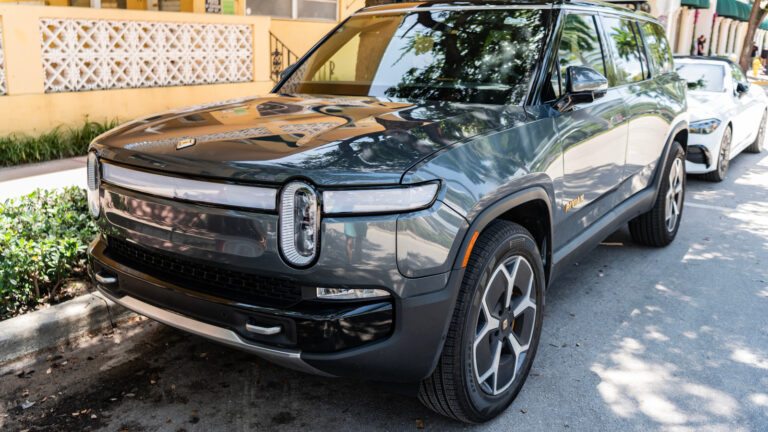
Volkswagen could theoretically do it — the company has a long history of platform engineering that squeezes maximum variety from minimum investment. Rivian building a small electric sports car is a fun thought experiment, but a startup burning cash on a low-margin niche product is a fast way to become a cautionary tale.
The uncomfortable truth is that the Miata survives because Mazda treats it as a sacred object, not a profit center. It’s a loss leader for brand identity, a rolling mission statement. Most automakers won’t make that bet.
Dodge, a brand currently navigating Stellantis’s messy restructuring and the chaos of shifting tariff policies, is an especially unlikely candidate to subsidize a halo roadster that might sell 15,000 units a year on a good day.
The formula for the right number of affordable sports cars has always been n+1. Right now n equals three, and the industry can barely sustain that. Somebody needs to step up. Dodge is talking. Honda could deliver. Neither will, probably. And the Miata keeps dancing alone.
Share this Story