
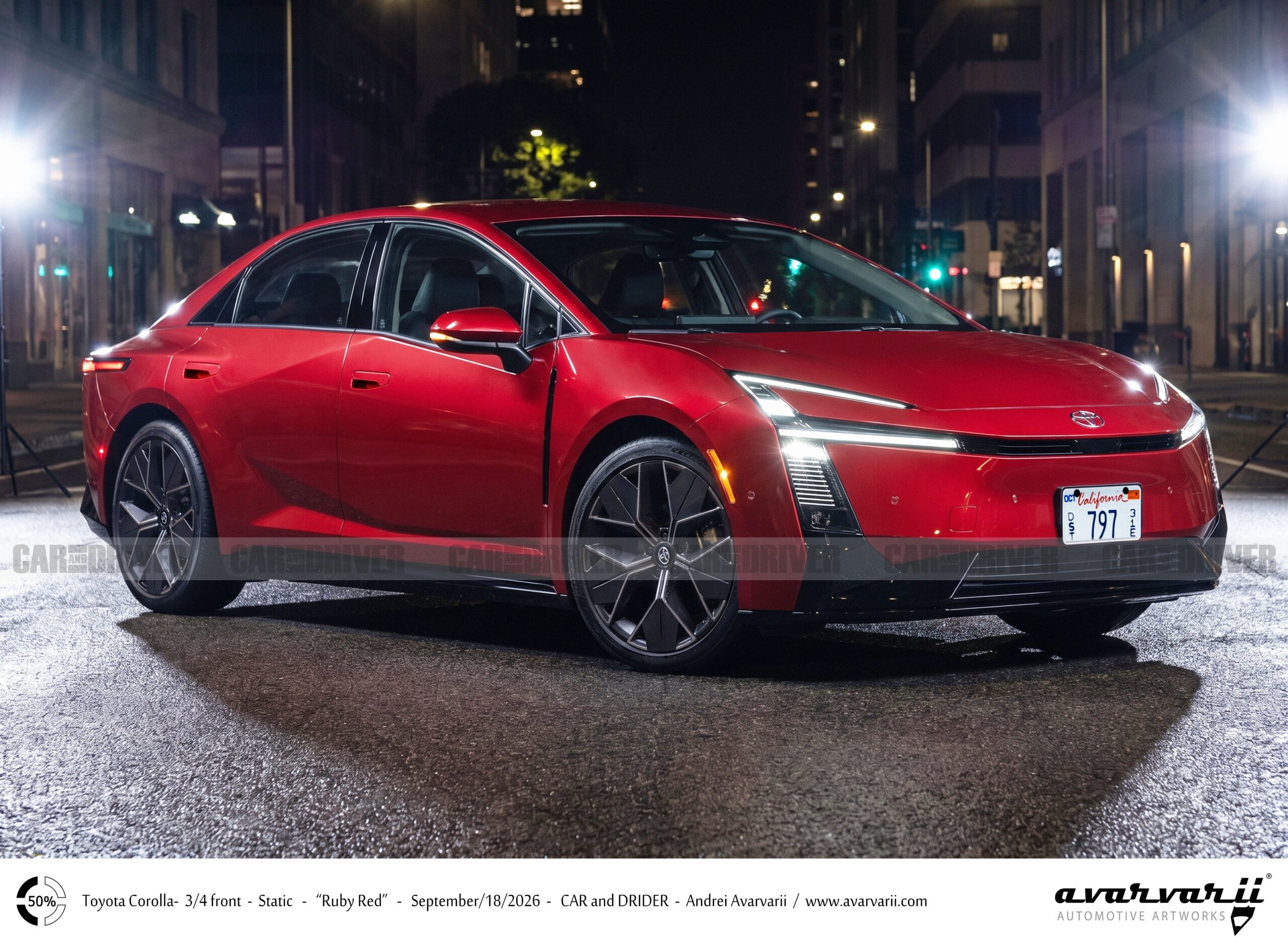


Toyota sold 248,088 Corollas in the United States last year, good enough for eleventh overall in the country. The company’s response to that strong but slipping position is not to simplify. It’s to throw everything at the wall.
The 2028 Corolla, expected to arrive sometime in 2027, will offer four distinct powertrains: a traditional gas engine, a hybrid, a plug-in hybrid, and a full EV. That is a staggering spread for a car that starts around $25,000.
Toyota engineers told Car and Driver the new hybrid will pair a 1.5-liter four-cylinder making 94 horsepower with a 40-hp electric motor, totaling roughly 134 hp. That’s modest, but efficiency is the point. Toyota claims the system will be 10 to 20 percent more frugal than the current hybrid, which already sips fuel like it has somewhere better to be.
The gas-only model gets murkier. Toyota says the 1.5-liter can accept a turbocharger, but the company hasn’t committed to that configuration. A revised version of the existing turbocharged 2.0-liter inline-four is also in play.
Either way, Toyota is keeping a pure combustion option alive in the Corolla even as the Camry and RAV4 have gone hybrid-only. That’s a telling move about where Toyota thinks the budget buyer’s head is at.
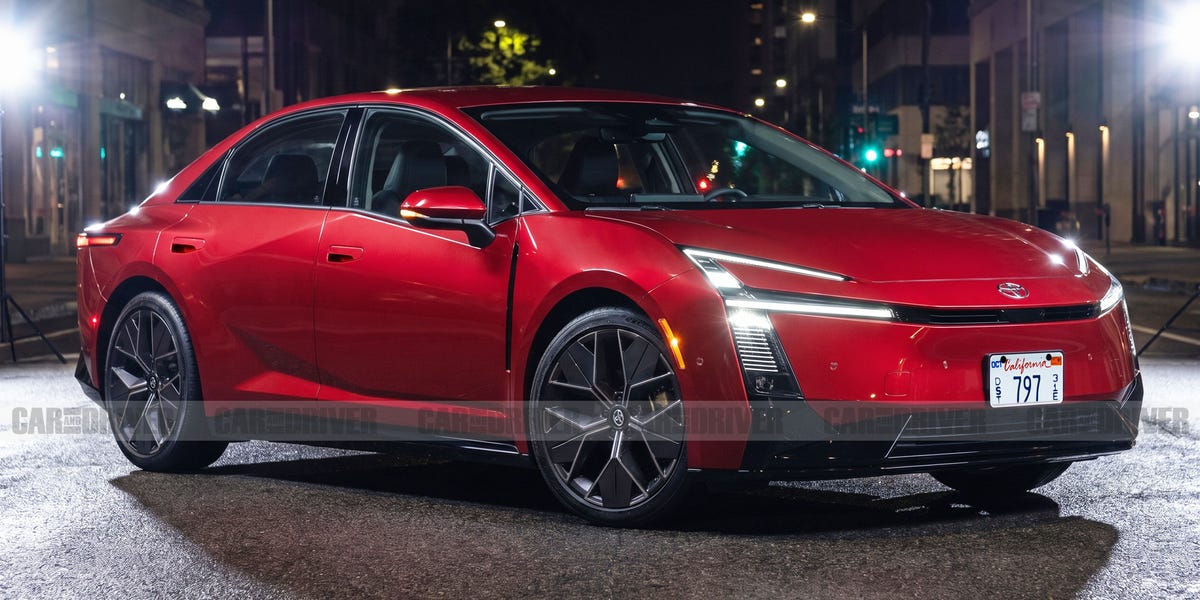
The plug-in hybrid is new territory for the nameplate. Details remain thin, with a larger battery and more electric-only range the only confirmed specifics. Pricing is expected somewhere in the $30,000 range, which puts it in an awkward neighborhood.
The standard hybrid will likely start around $27,000. Asking buyers to pay thousands more for a PHEV version of a budget car is a tough sell, especially when the gap between hybrid and plug-in fuel savings narrows quickly for drivers who don’t charge regularly.
Then there’s the electric Corolla. Toyota hasn’t confirmed it for the U.S. market. If it does arrive, expect single- and dual-motor options with at least 250 miles of range and pricing also around $30,000.
That would pit it against the Nissan Leaf and a growing field of affordable EVs, a segment where Toyota has been conspicuously absent.
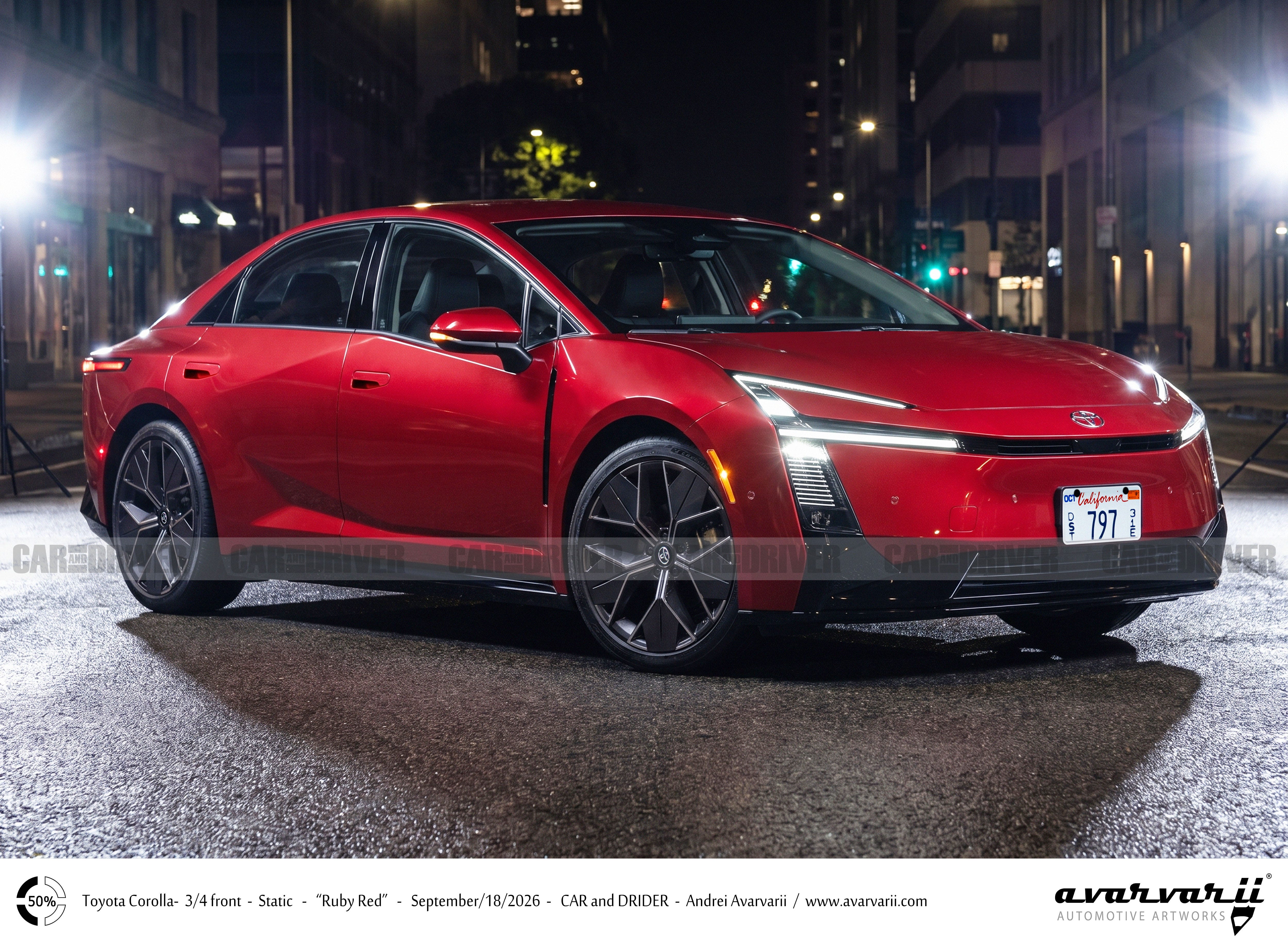
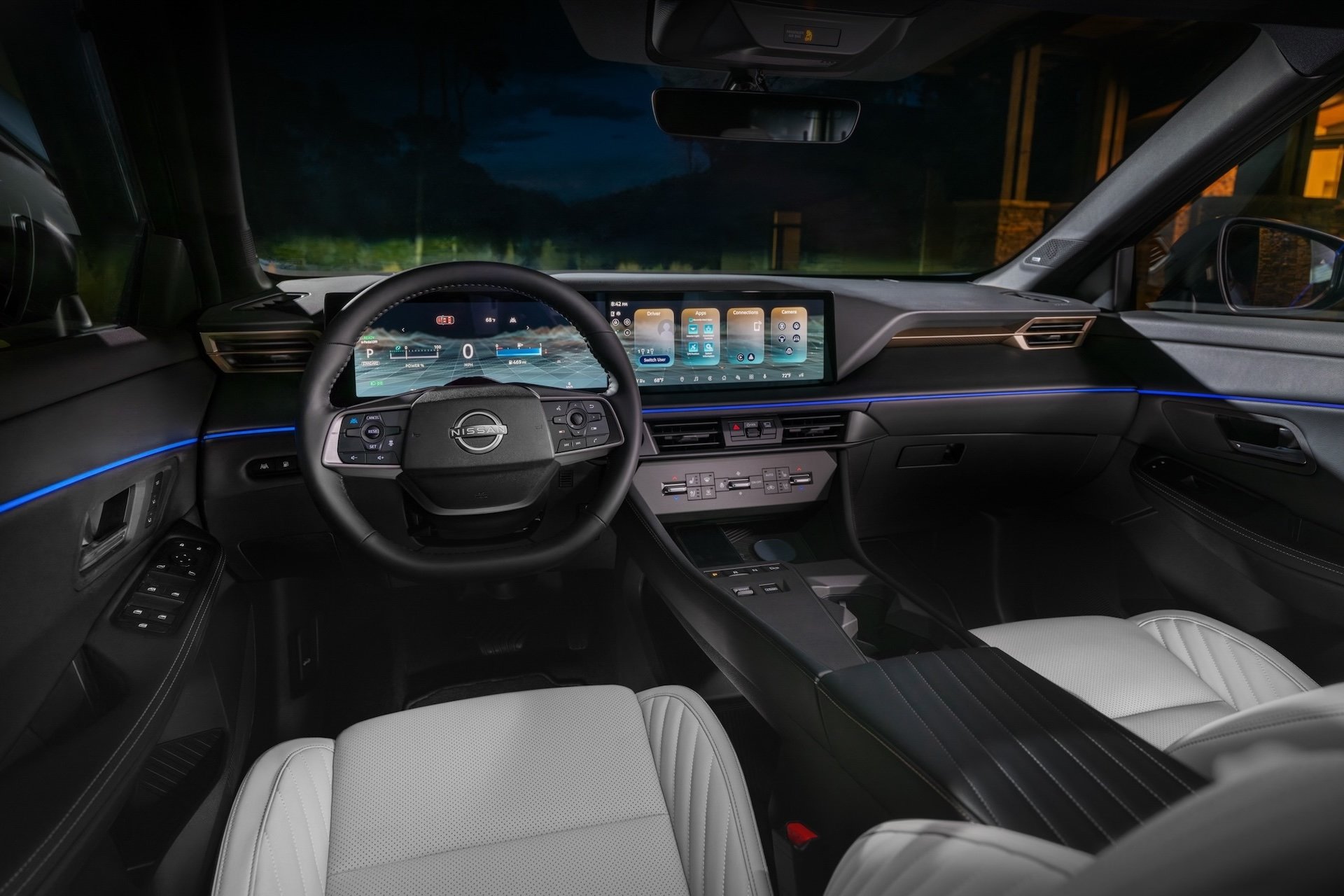
The whole package rides on a reworked version of the TNGA-C platform, stretched to accommodate everything from a gas tank to a battery pack. A concept shown in late 2025 hinted at sharper exterior lines and a dramatically modernized cabin with larger screens and fewer buttons. The fastback roofline may conceal a rear hatch, potentially killing off the separate hatchback model that has played second fiddle to the Corolla Cross anyway.
Lurking at the top of the lineup is a GR Corolla successor with a new turbocharged 2.0-liter four-cylinder reportedly capable of up to 395 horsepower. Specifics are scarce, but the number alone signals that Toyota sees the GR badge as more than a marketing exercise.
The competitive set hasn’t gotten any softer. The Honda Civic remains the class benchmark. The Hyundai Elantra and Kia K4 keep pushing value. Subcompact SUVs continue to steal buyers who once would have defaulted to a compact sedan without a second thought.
Toyota’s answer is to make the Corolla everything to everyone. A gas car for the holdouts, a hybrid for the pragmatists, a PHEV for the early adopters, and an EV for the converts.
The risk is obvious: complexity costs money, and money is the one thing Corolla buyers don’t have in surplus. Whether Toyota can keep that base price near $25,000 while engineering four separate drivetrains into one platform will determine if this strategy is disciplined or just desperate.
Production decisions on which variants actually reach U.S. dealers are still being finalized.
Share this Story