
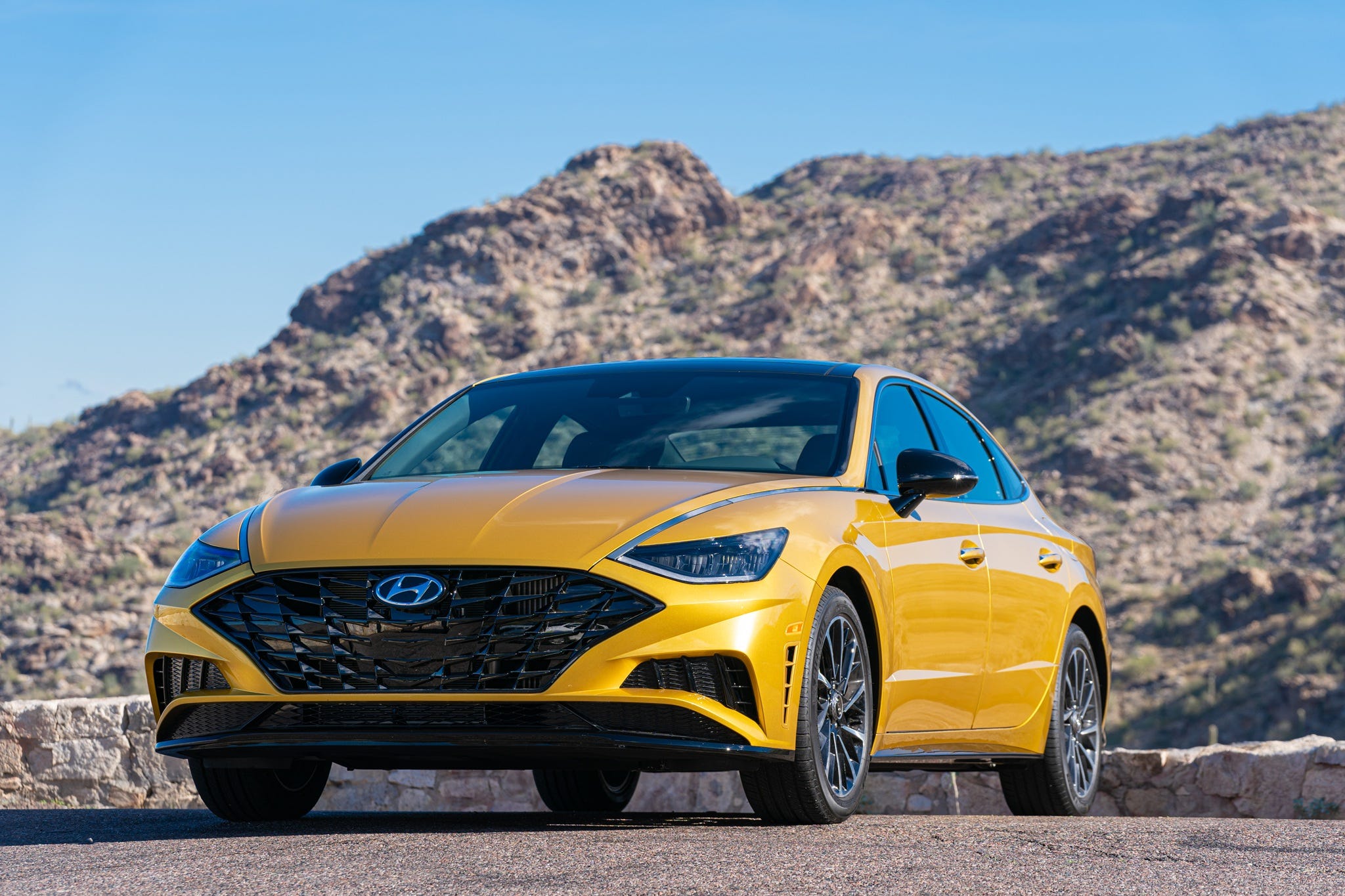


Roughly 200 insurance companies just got a second shot at Hyundai and Kia, and the bill could top $1 billion. The 9th U.S. Circuit Court of Appeals reversed a lower court’s dismissal this week, ruling that a massive lawsuit over the automakers’ theft epidemic can proceed in California.
The original case was tossed by U.S. District Judge James V. Selna, who said his court lacked jurisdiction over the Korean manufacturers. The appeals court disagreed. Circuit Judge Eric D. Miller wrote that “by placing the vehicles on ships bound for California ports, the Korean entities purposefully availed themselves of the forum and purposefully aimed their goods at California.”
That single sentence reopens a wound Hyundai and Kia have been trying to close for years.
The saga traces back to the “Kia Boyz,” a loose group of young people who discovered and then broadcast on social media just how simple it was to steal certain Hyundai and Kia models. The vehicles lacked engine immobilizers, a basic anti-theft technology that virtually every other automaker included as standard equipment. Thefts exploded nationwide.
The insurers’ central claim is damning in its simplicity: Hyundai and Kia deliberately stopped installing immobilizers in vehicles destined for the American market. Not because the technology was unavailable or expensive. Because they chose not to.
Both automakers eventually rolled out anti-theft software updates and provided steering wheel locks to affected owners, but the damage was already deep. Cities across the country saw their theft statistics warped by a single corporate cost-cutting decision. Police departments burned resources chasing stolen Hyundais and Kias that never should have been so easy to take.
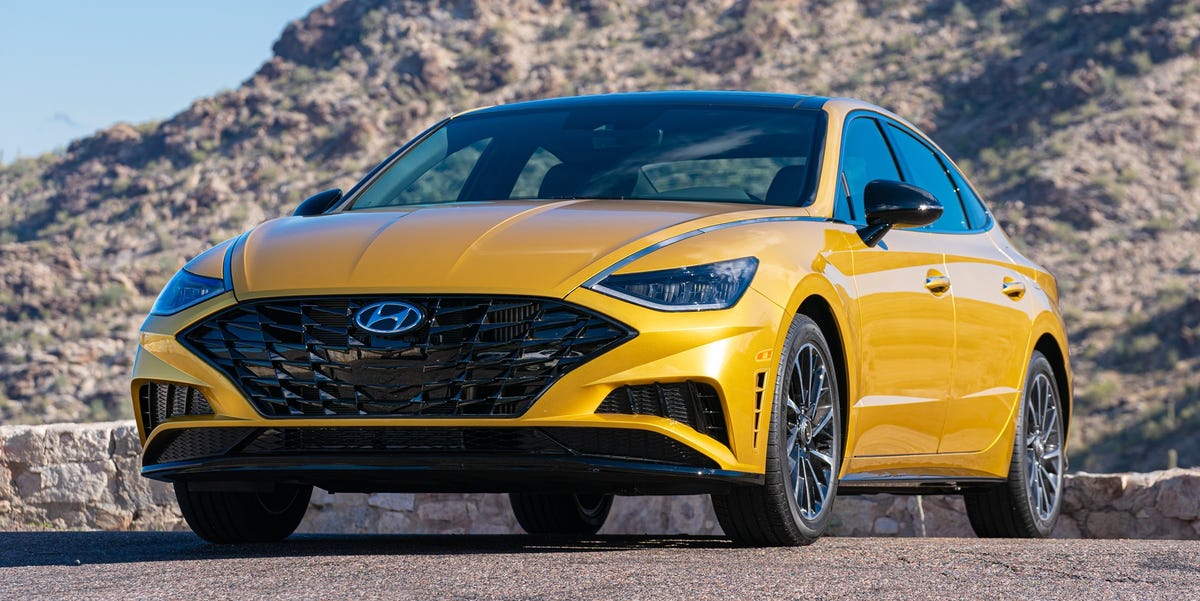
The reversal does not guarantee the insurers will collect. The case now returns to Judge Selna’s district court, where Hyundai and Kia will mount a defense on the merits. But the jurisdictional shield they were counting on is gone.
A billion dollars is real money, even for automakers of this scale. Hyundai Motor Group sold more than 7.3 million vehicles globally last year. But legal exposure is only part of the equation. The reputational cost of being known as the cars teenagers steal with a USB cable has no clean accounting line.
And the timeline keeps stretching. A recent UCLA study projected that the spike in Hyundai and Kia thefts in Los Angeles alone will persist through at least 2042. That is not a typo. Sixteen more years of elevated theft rates, because millions of vulnerable vehicles remain on the road and immobilizer retrofits have been uneven at best.
The anti-theft software updates Hyundai and Kia offered were a patch, not a cure. Older models without push-button start remain exposed. Owners who never brought their cars in for the update, whether out of ignorance or inconvenience, are still driving targets.
Insurance companies absorb those losses and pass them along through higher premiums. The 200 insurers in this lawsuit are not filing out of principle. They want their money back, and they believe the automakers owe it to them.
The case heading back to a California courtroom means discovery, depositions, and internal documents that could reveal exactly how and when the decision was made to skip immobilizers. That paper trail is what Hyundai and Kia should be worried about more than the dollar figure.
Share this Story