
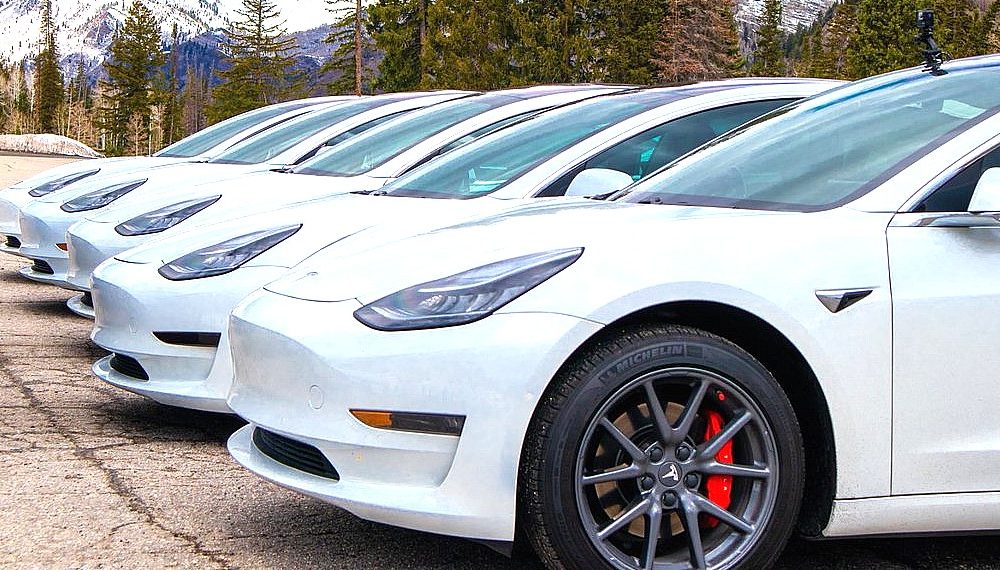


Tesla pushed Full Self-Driving v14 “Lite” to Hardware 3 vehicles over the weekend, delivering new parking features, smoother steering, and reinforcement learning techniques distilled from its newer AI4 chip. It landed before the end of Q2, exactly as promised. And it still doesn’t change the fundamental betrayal sitting at the center of the whole exercise.
The release notes read like genuine progress. Tesla’s AI team, led by Ashok Elluswamy, used AI4’s v14 as a teacher model, compressing its decision-making intelligence into the older compute and camera architecture. The result is better handling of merges, forks, pedestrian interactions, traffic lights, and cut-ins.
Fewer phantom braking events. Parking and unparking capabilities. Arrival options that let FSD choose between a parking lot, street, driveway, or curbside.
Speed profiles now work on city roads. For a car running three-year-old silicon, that’s a legitimate engineering achievement. Elluswamy called out “significantly improved safety” and urged owners to enjoy the build once it ships wide over the coming weeks.
But the software drops into a bruised ecosystem. CEO Elon Musk confirmed during Tesla’s Q1 earnings call what many had suspected and feared: AI3 vehicles will never achieve unsupervised Full Self-Driving. These are the same cars whose owners paid $8,000, $10,000, even $15,000 for FSD with the explicit promise that autonomy was coming.
Musk’s own tweets over the years reinforced that expectation repeatedly. Tesla’s proposed remedies — a discount on a new car or an upgrade to AI4/AI5 hardware with new cameras — all require owners to spend more money. The reception has been predictably hostile.
So v14 Lite arrives as the best version of something that will never become what it was sold as. It’s a ceiling, not a stepping stone.
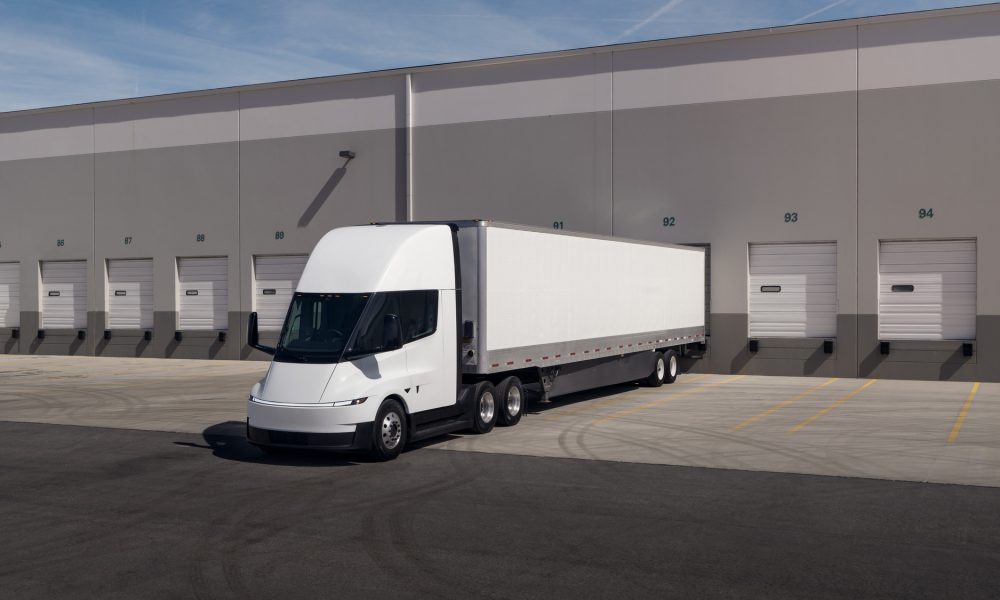
Meanwhile, Tesla’s actual autonomy ambitions are aimed squarely elsewhere. The Cybercab, which entered production at Giga Texas in April, just had a telling detail surface in a newly published First Responders Guide. The document states plainly that production Cybercabs will not have steering wheels, brake pedals, or accelerator pedals.
Units equipped with manual controls are engineering or test vehicles operating at SAE Level 2 with safety monitors on board. That’s Tesla drawing a hard line: the Cybercab is a purpose-built robotaxi, not a car you can grab the wheel of when things go sideways. The company is betting its autonomy future on vehicles its customers can’t buy and can’t drive, while the customers who funded years of FSD development get a “Lite” version and an upsell pitch.
The broader context makes this tension sharper. Tesla’s Q2 delivery consensus sits at roughly 406,000 units, a modest sequential bump from Q1’s 358,023. Analysts from Goldman Sachs to Morgan Stanley to JPMorgan all seem to agree that vehicle deliveries are becoming a secondary storyline.
The primary narrative has shifted to robotaxi deployment, fleet miles, and the expansion of driverless ride-hailing into new cities. Tesla delivered 1.81 million vehicles at its 2023 peak and has posted annual declines in each of the two years since. The company appears comfortable with that trajectory as long as its autonomy and energy businesses scale.
For AI3 owners, though, the math is personal. They bought hardware Tesla now admits can’t do the job. They got software that squeezes every last drop from inadequate silicon.
The company’s roadmap runs right past them toward a steering-wheel-free robotaxi they’ll never own. V14 Lite is competent engineering delivered on schedule. It is also the clearest possible illustration of where Tesla’s priorities actually sit — and where its early believers rank in the hierarchy.
Share this Story