
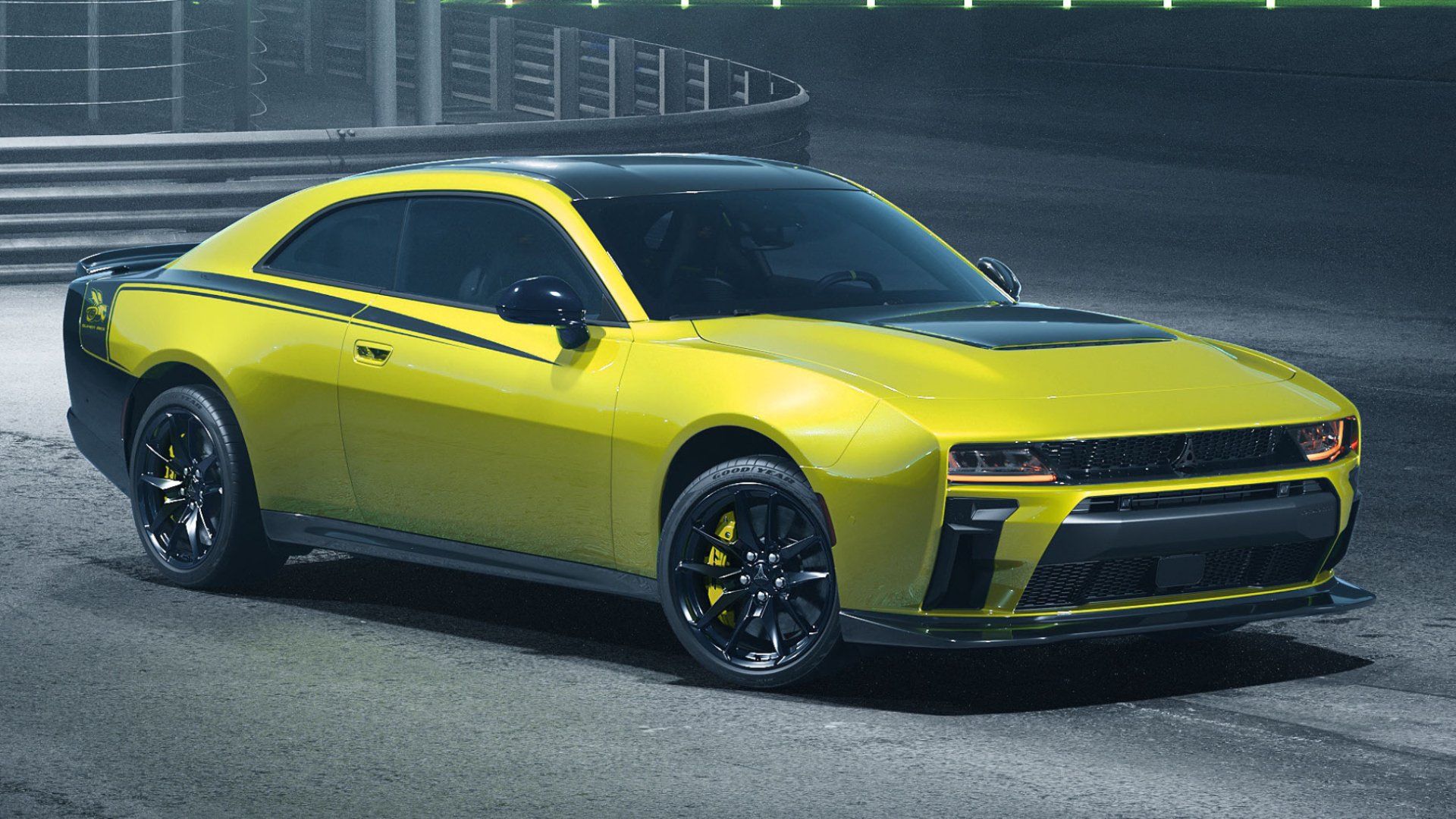


The old Super Bee ran a 6.4-liter naturally aspirated V8. The new one gets a turbocharged inline-six. That sentence alone tells you everything about where the muscle car world has landed in 2025.
Dodge just pulled the sheet off the 2027 Charger Super Bee, the first true high-performance variant of its reborn Charger platform. It packs 600 horsepower and 531 pound-feet of torque from a new High Output version of Stellantis’s Hurricane inline-six. SRT had its fingerprints all over this one.
The numbers are solid if not spectacular. Dodge claims a 3.6-second sprint to 60 mph and an 11.8-second quarter mile. That makes it roughly a full second quicker to 60 than the 2023 Super Bee with the old 392, though the gap narrows to about half a second across the quarter mile.
Standard all-wheel drive helps launch the car off the line, but the shrinking advantage at higher speeds raises a question nobody at Dodge seems eager to answer.
Those figures also fall short of Hellcat territory, and Dodge knows it. The company keeps telegraphing that more is coming from this platform. This announcement made zero mention of SRT’s “eBoost” hybrid performance tech, and the promised Hemi V8 revival still has no confirmed timeline.
Every Dodge executive repeats the same line like a mantra: they’re “just getting started.” At some point, that promise needs a payoff.
The Super Bee is more than an engine tune, though. The suspension sits lower and stiffer than the standard High Output Sixpack. The front end has been reworked to sharpen steering response and cut understeer.
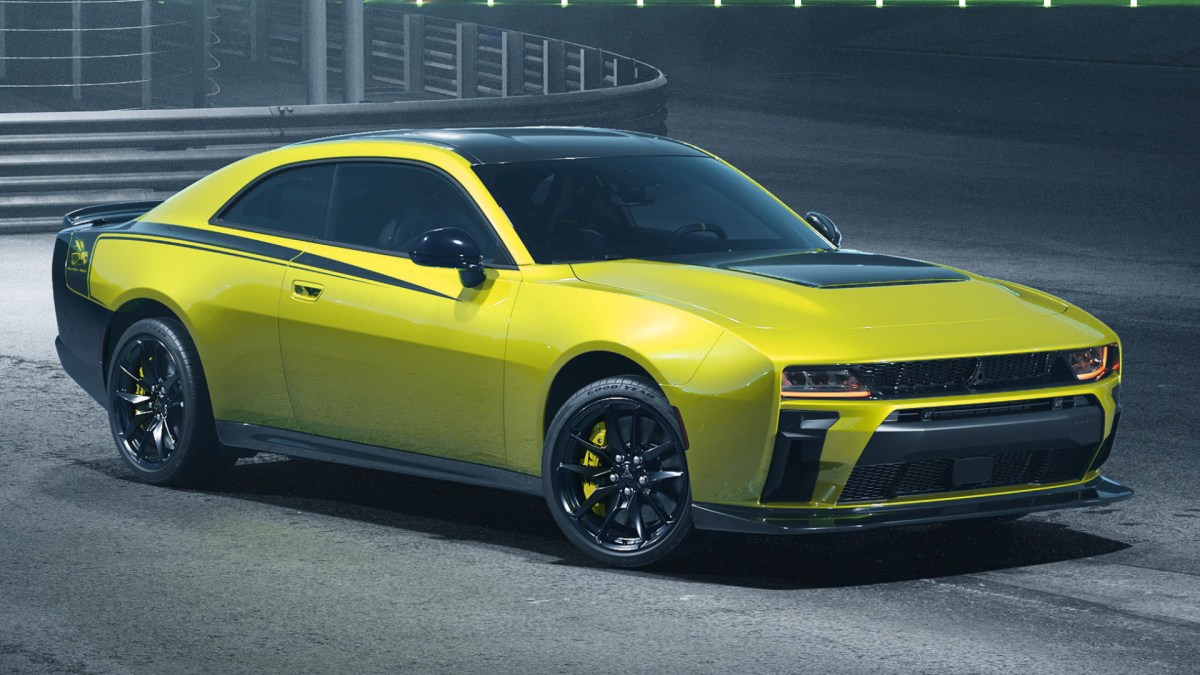
Adaptive dampers handle the split personality between street comfort and track grip. Two new drive modes arrive: Track and Drag, doing exactly what you’d expect.
Rubber comes from Goodyear Eagle F1 Supercar 3 tires in a beefy 305/35ZR20 size. Braking hardware is serious: Brembo calipers finished in “Hyper Lime” green, six-piston units up front and four-piston out back, clamping 16.1-inch rotors. That’s legitimate stopping power for a car that weighs what modern muscle cars inevitably weigh.
Dodge also threw in a 1080p performance data recorder, a direct answer to GM’s system available in the Corvette and Camaro before it. The idea is that owners can capture and share track footage instantly. Given the typical Super Bee buyer demographic and the existence of social media, the results should be entertaining.
Inside, the bee theme buzzes loudly. Yellow accents show up everywhere, the exterior launch color is called “Sucker Punch,” and the interior yellow is labeled “Sour Lemon.” Embroidered Super Bee logos hit the seats, a badge sits in the gauge cluster, and a bright yellow center stripe runs across the steering wheel.
Subtlety has never been Dodge’s strong suit, and that hasn’t changed.
The Launch Edition arrives in this spec or in black. Pricing remains unannounced. So does the ordering window and any details about how a non-Launch Edition Super Bee will be packaged.
The real tension here is not horsepower or quarter-mile times. It’s whether a turbocharged six-cylinder can carry the emotional weight that V8s hauled for decades. Dodge is betting 600 horses and a famous nameplate can bridge that gap. The Hellcat faithful scrolling through these specs are doing math in their heads right now, and some of them are not smiling.
Share this Story