
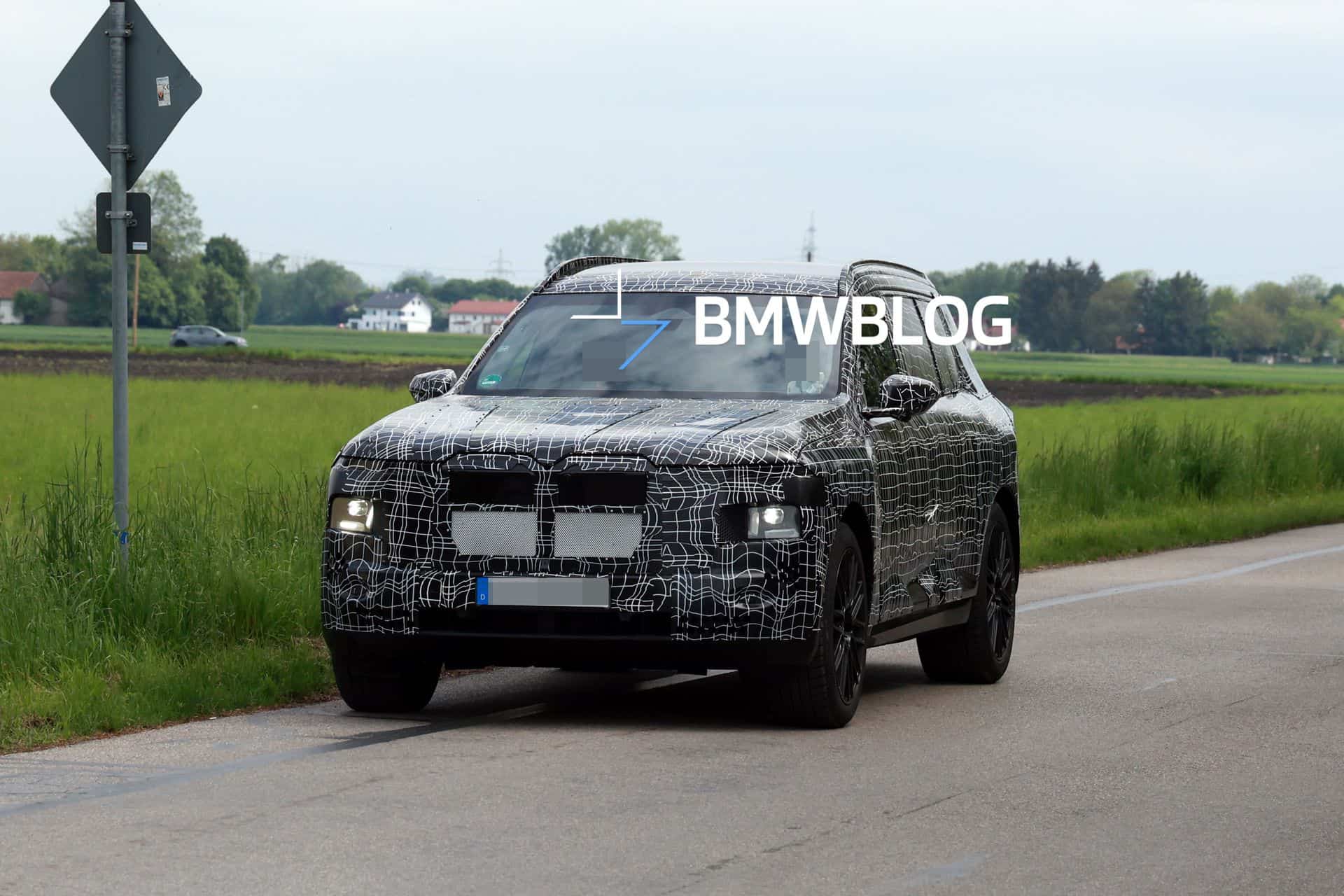


Plant Spartanburg will start building the second-generation BMW X7 in the second half of 2027, making it a 2028 model for the US market. Former CEO Oliver Zipse confirmed the G67 project during BMW’s annual conference in March. He declined to elaborate, and that remains the only official statement BMW has made about the car.
Everything else comes from spy shots, insiders, and a private dealer briefing in Nashville last May. That’s worth keeping in mind, because BMW has a history of letting prototypes mislead.
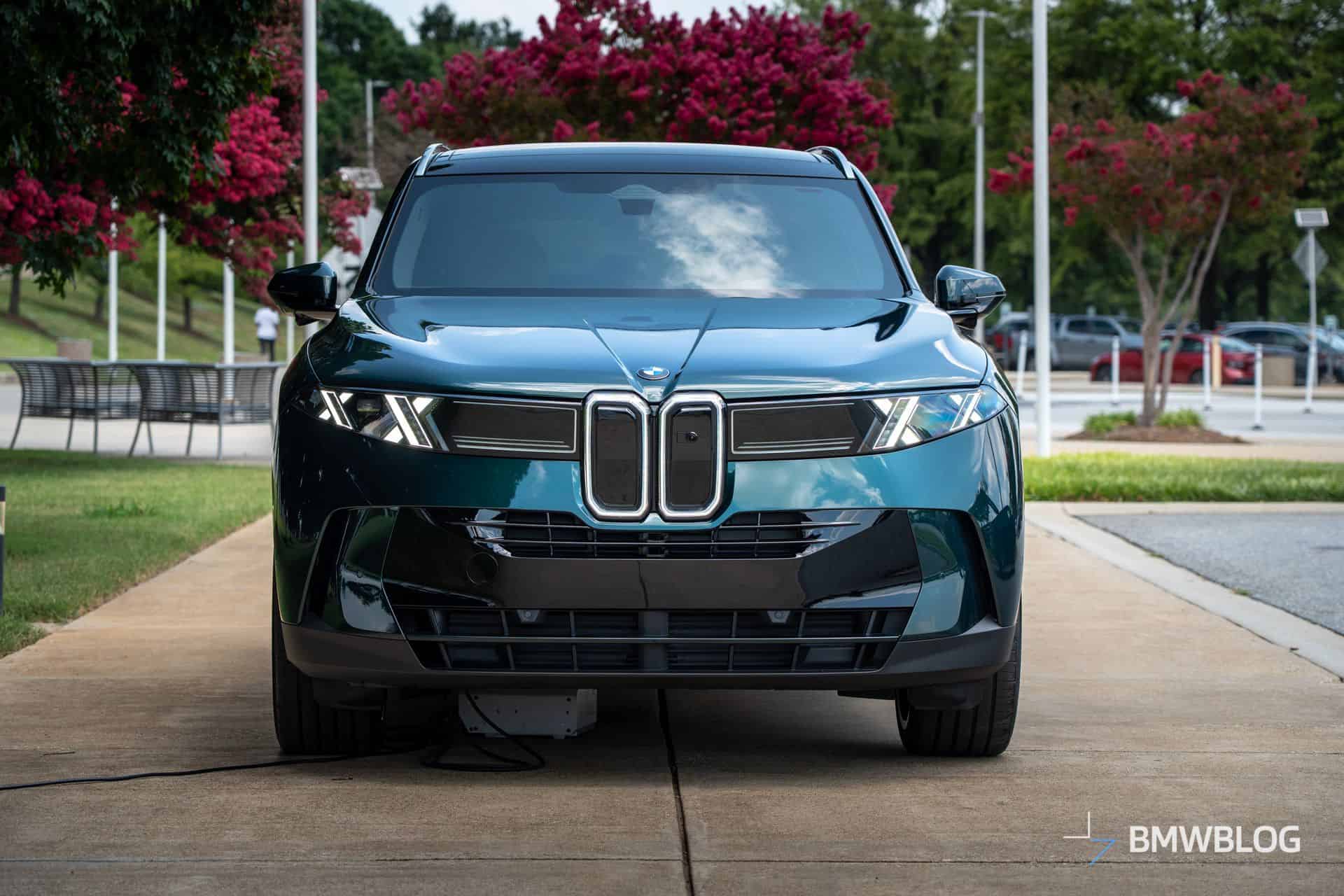
The split headlights are back. Dealers who saw the car in person confirmed independently what every camouflaged prototype has shown since testing began. The large kidney grille stays too, even as the new X5 and the electric iX3 have moved toward a cleaner, more restrained face.
BMW clearly wants the split-light treatment to signal flagship status, the same way it doubled down on the look for the 7 Series facelift. It is a deliberate branding move, not an oversight.
Dealers described the G67’s proportions as boxier and more wagon-like than the outgoing car. That tracks with spy photos showing a nearly flat roofline and squared-off body sides. It also tracks with where the segment lives now.
The Range Rover, Cadillac Escalade, and Mercedes GLS all lean vertical because that is how you get real third-row headroom and cargo volume out of a three-row SUV. The G67 appears to grow in length beyond the current car’s 203.9 inches.
The powertrain lineup is broad and telling. Inline-six gasoline engines handle the volume, and diesel continues for Europe. The X7 M60 xDrive gets the twin-turbo 4.4-liter S68 V8, confirmed by the quad exhaust tips visible on prototypes.
BMW now reserves visible tips for M-badged variants, so the pipes are a name tag.
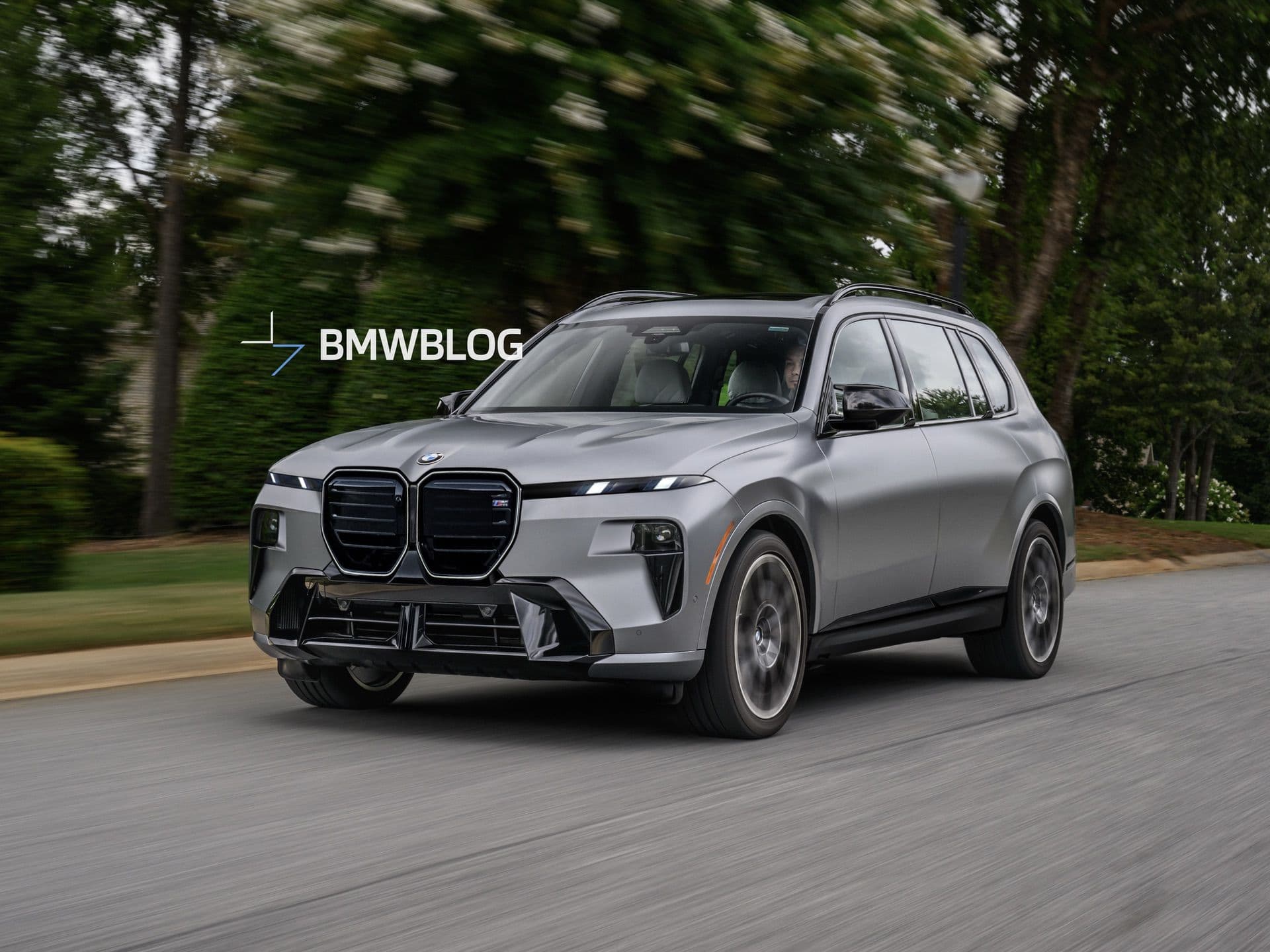
There is no plug-in hybrid. The X5 offers one, but the X7 skips it again, and no prototype has shown a charging flap on the front fender. Instead, BMW will launch an iX7 as the first fully electric X7.
It rides on the CLAR platform rather than the dedicated Neue Klasse architecture, so a long wheelbase gives room for a big battery pack, but packaging compromises come with the territory. A full M version looks unlikely.
Inside, the dashboard was covered on every test car spotted so far, but a black band at the windshield base gives away Panoramic Vision, the pillar-to-pillar projection display that replaces the traditional instrument cluster. iDrive X and a large central touchscreen replace the rotary controller and most remaining physical switches. A rear Theater Screen is planned, following the 7 Series’ success with the feature.
BMW is pushing the G67 further upmarket than the current car ever managed. Soft-close doors reportedly become standard. Ventilated and massaging rear seats finally arrive, fixing one of the most puzzling omissions on a vehicle that starts north of $80,000.
Two-tone paint will be offered globally, applied at the Spartanburg paint shop with a coachline splitting the colors in a Rolls-Royce fashion. BMW has done this at Dingolfing for years on the 7 Series, but the process is new for the South Carolina factory.
The split tailgate remains an open question. Every prototype shows a horizontal black band suggesting a two-piece design, and dealers say it stays. BMW pulled the same visual trick on X5 prototypes, then shipped the G65 with a conventional one-piece gate. Trust, but verify.
The competitive landscape has shifted during development. The Range Rover Electric has broken cover, Genesis has the GV90, and Audi is preparing a Q9 to enter the segment for the first time. BMW is building a car that needs to hold off all of them while also not cannibalizing its own X5, which now shares more technology and visual DNA with the flagship than ever before.
The G67 has to justify a price premium with presence alone, and BMW is betting that boxier proportions and a polarizing face will do the job.



Share this Story