
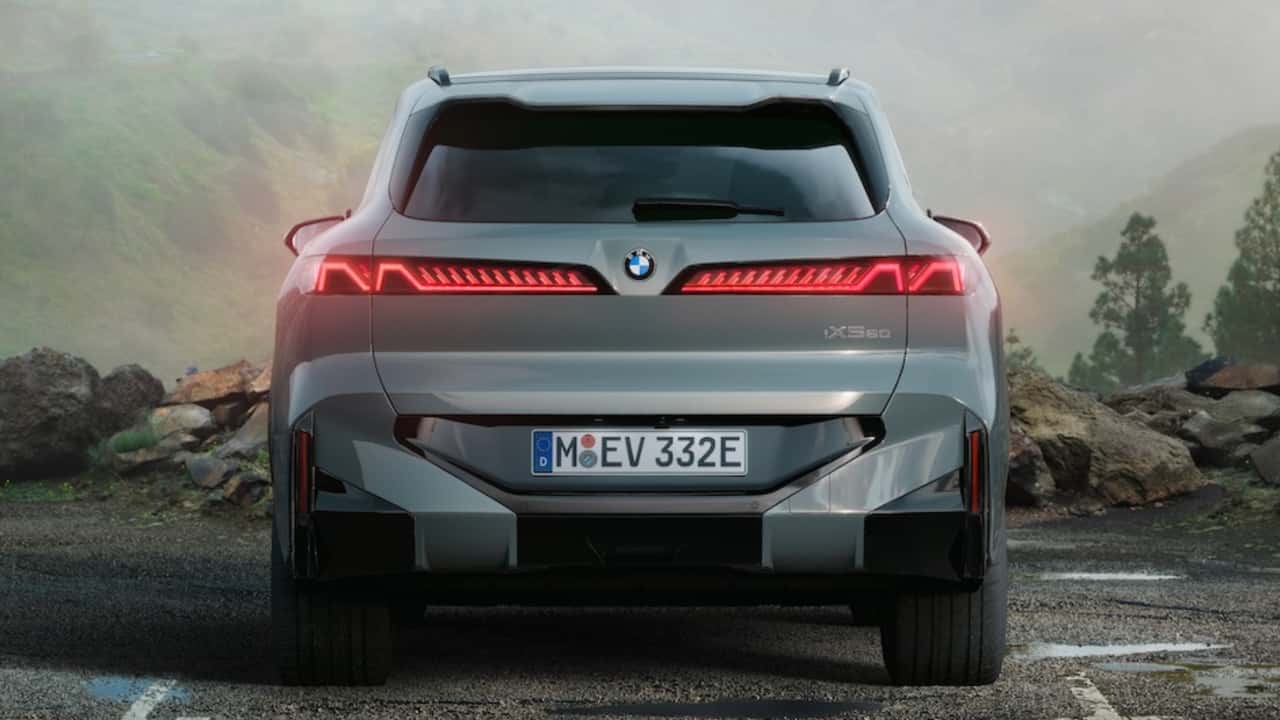


For 26 years and four generations, the split-folding tailgate defined the BMW X5. It was the feature that separated it from every other luxury SUV in the segment, a practical flourish that gave owners a picnic bench, a loading shelf, and a reason to feel smug in the Whole Foods parking lot. The fifth-generation X5, revealed this week in Spartanburg, South Carolina, doesn’t have one.
BMW says customers asked for this. The company’s Director of Luxury Class Cars, Philip Koehn, told reporters that “any average person with average arm length is actually struggling” with the lower section of the split gate. He described the difficulty of loading and unloading cargo over it, framing the deletion as a response to real-world feedback.
He offered no data. No survey numbers. No percentage of owners who complained.
Social media lit up almost immediately, with current and former X5 owners calling the split tailgate one of their favorite things about the car. The disconnect between BMW’s stated rationale and the actual customer sentiment visible online is hard to ignore.
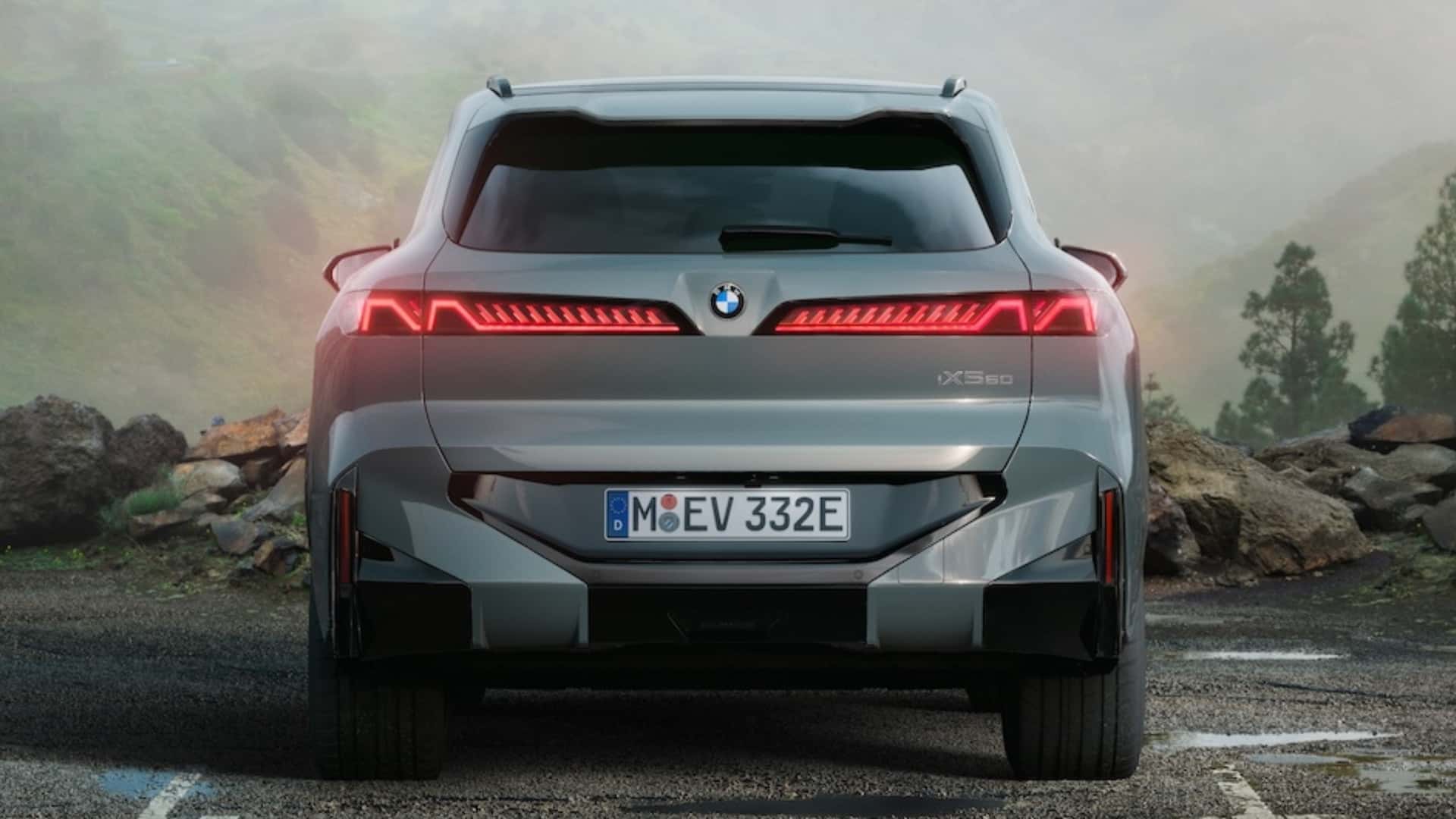
Koehn added a second justification: the new X5 has a faster roofline, which brought the top of the tailgate lower. BMW widened the cargo aperture to compensate. It’s a reasonable design trade-off on paper, but it also happens to align neatly with the aerodynamic demands of the electric iX5, which needs every fractional drag coefficient improvement it can get to protect range numbers.
That’s the tension BMW doesn’t want to talk about. The company is engineering one platform to serve gasoline, plug-in hybrid, and fully electric powertrains simultaneously. Compromises are inevitable.
A two-piece tailgate adds weight, complexity, hinges, seals, and cost. It also disrupts the smooth rear surface that battery-electric variants crave for aero efficiency. Killing the split gate solves multiple engineering problems at once, and none of them have anything to do with average arm length.
This is a pattern across the industry. Distinctive, beloved features get rationalized away under the banner of customer insight when the real drivers are cost reduction and platform consolidation. Nobody at BMW is going to stand at a podium and say they deleted a signature feature to save money and improve EV range. So they talk about ergonomics instead.
The 2027 X5 will arrive at dealers in late 2026 with five powertrain options globally, spanning gasoline engines, plug-in hybrids, and the electric iX5 60. It will be built in Spartanburg alongside its platform siblings. The lineup is broad, the technology is current, and by most measures the new X5 looks like a thoroughly competent next-generation product.
But competence isn’t what made the X5 iconic. The original E53 carved out the sport-utility segment for BMW with details that felt considered, even a little eccentric. The split tailgate was one of those details.
It said something about the people who designed it — that they cared about how you actually used the car, not just how it looked in a press photo. Now the X5 has a conventional hatch, just like everything else in the segment. It’s cleaner, wider, and probably cheaper to manufacture.
BMW will sell plenty of them. The car will be fine.
Fine is the problem. The X5 used to be more than that. One hinge at a time, it’s becoming less so.

Share this Story