


Bentley has spent the last year and a half killing off electric vehicle plans. Now it wants you to believe in the one that survived.
The British luxury automaker confirmed July 6 that its first battery-electric model, called the Torcal, will be revealed September 23. It will sit alongside the Continental GT, Flying Spur, and Bentayga as a fourth model line — the sole survivor of what was once a far more ambitious electrification roadmap.
The name derives from the Latin “torquere,” a nod to the torque advantage of electric powertrains. It also follows Bentley’s habit of naming cars after dramatic natural formations — in this case, El Torcal de Antequera, a wind-carved limestone plateau in southern Spain. Beautiful and isolated. A fitting metaphor for the car’s position in the lineup.
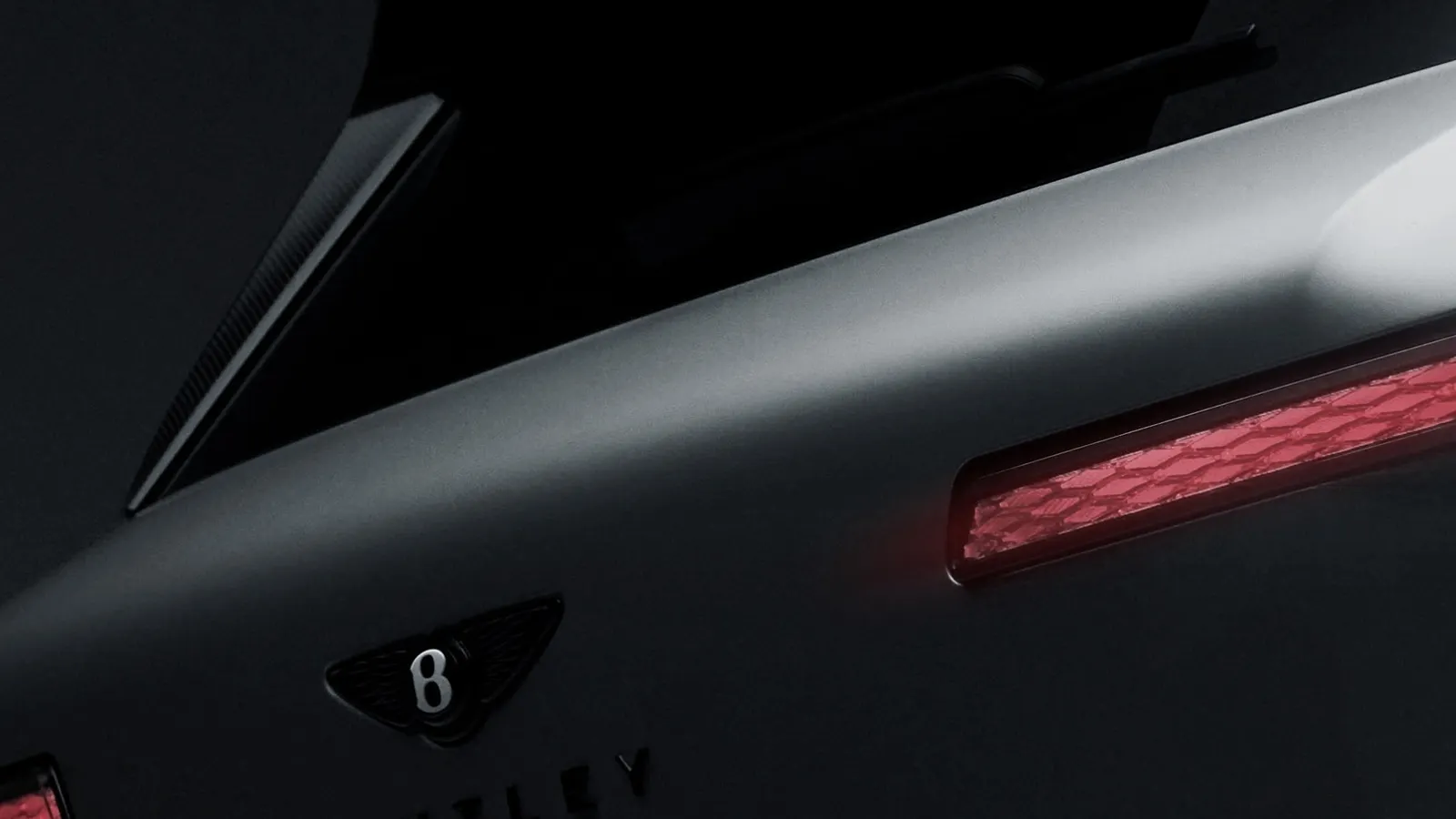
Bentley released a single interior detail image and little else. No pricing. No specifications. No platform details. The company confirmed the Torcal’s electric powertrain only when pressed by WardsAuto via email, which tells you something about how carefully Crewe is managing this rollout.
The context here is unavoidable. Just last March, Bentley axed several planned EVs that had been central to a sweeping electrification strategy originally laid out under former CEO Adrian Hallmark. That strategy, announced in 2021, promised a fully electric lineup by 2030. It was bold. It was also, apparently, premature.
Chairman and CEO Frank-Steffen Walliser, who took over in 2024, has steered the brand toward a more pragmatic course. The Torcal is what remains — a single, carefully positioned electric model rather than an entire portfolio pivot. Walliser has said a new generation of Bentley buyers wants a connected car, and he’s dangled one genuinely impressive number: 100 miles of range added in roughly seven minutes of charging.
If that figure holds up in production, it would place the Torcal among the fastest-charging EVs on the market. It suggests an 800-volt architecture at minimum, likely leveraging the Volkswagen Group’s Scalable Systems Platform or a derivative of it. Bentley hasn’t confirmed any of that, but the physics don’t lie — you don’t hit those charging speeds without serious electrical architecture underneath.
Our new Torcal sets extraordinary benchmarks in every area that matters, and may just be the most considered car in our history,” Walliser said. That’s CEO-speak, but the word “considered” is doing real work in that sentence. This isn’t a car that was rushed to market to meet a self-imposed deadline. It’s one that was recalibrated after its siblings were sacrificed.
The broader Bentley lineup now leans heavily on combustion and hybrid power. The Continental GT Speed arrived last year as the brand’s most powerful hybrid. The Bentayga S Black Edition launched in mid-2025 as a pure ICE performance SUV. Bentley is hedging — keeping its traditional powertrain customers close while testing whether its wealthiest buyers will actually commit to electric.
That’s the real question the Torcal has to answer. Not whether Bentley can build an EV. Volkswagen Group has the technology. The question is whether a customer who spends north of $200,000 on a handcrafted British grand tourer wants one that plugs in. Bentley has bet one model line on the answer being yes.
September will tell us what they’re actually selling. Until then, all we have is a name, a charging claim, and the wreckage of bigger plans.

Share this Story