
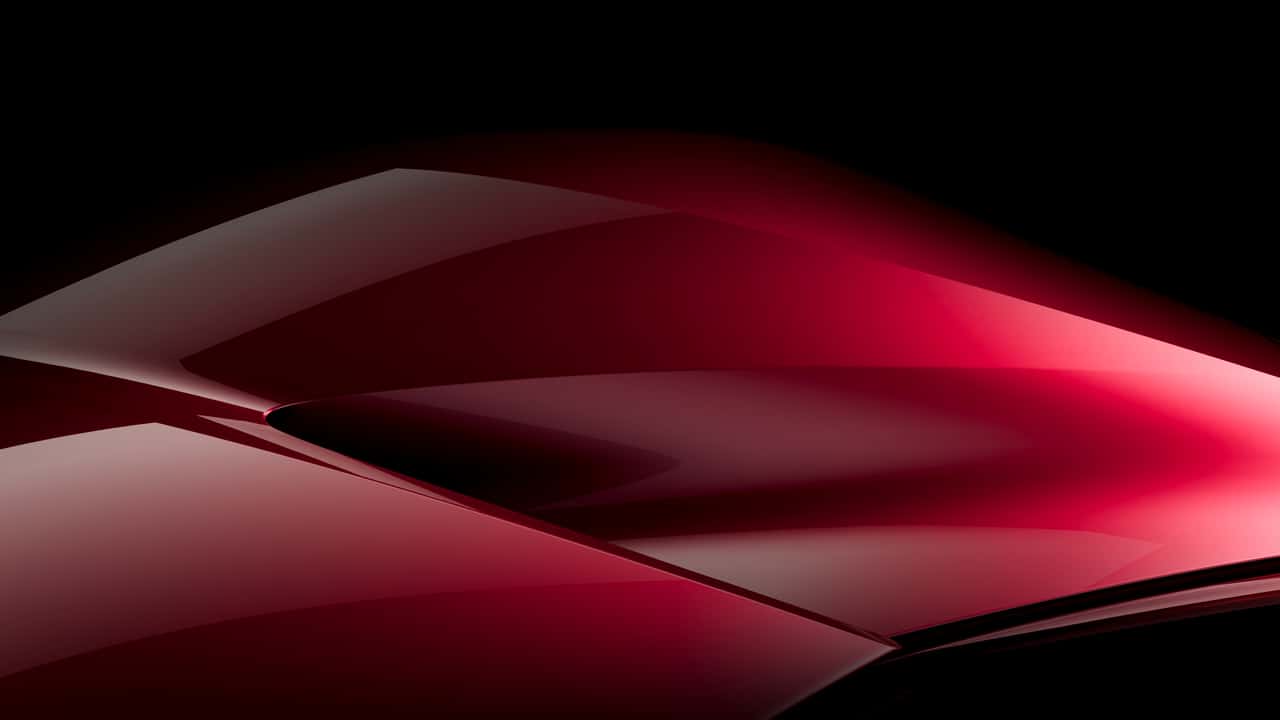


Alfa Romeo’s U.S. sales have cratered more than 50 percent since 2022. Through the first half of 2026, they’re down another 45 percent. Stellantis publicly demoted the brand in May, slotting it behind Jeep, Ram, Peugeot, and Fiat as a “regional or historic” marque.
And now, into this slow-motion fade, Alfa drops a teaser for a concept car it calls the one “every Alfista has been waiting for.
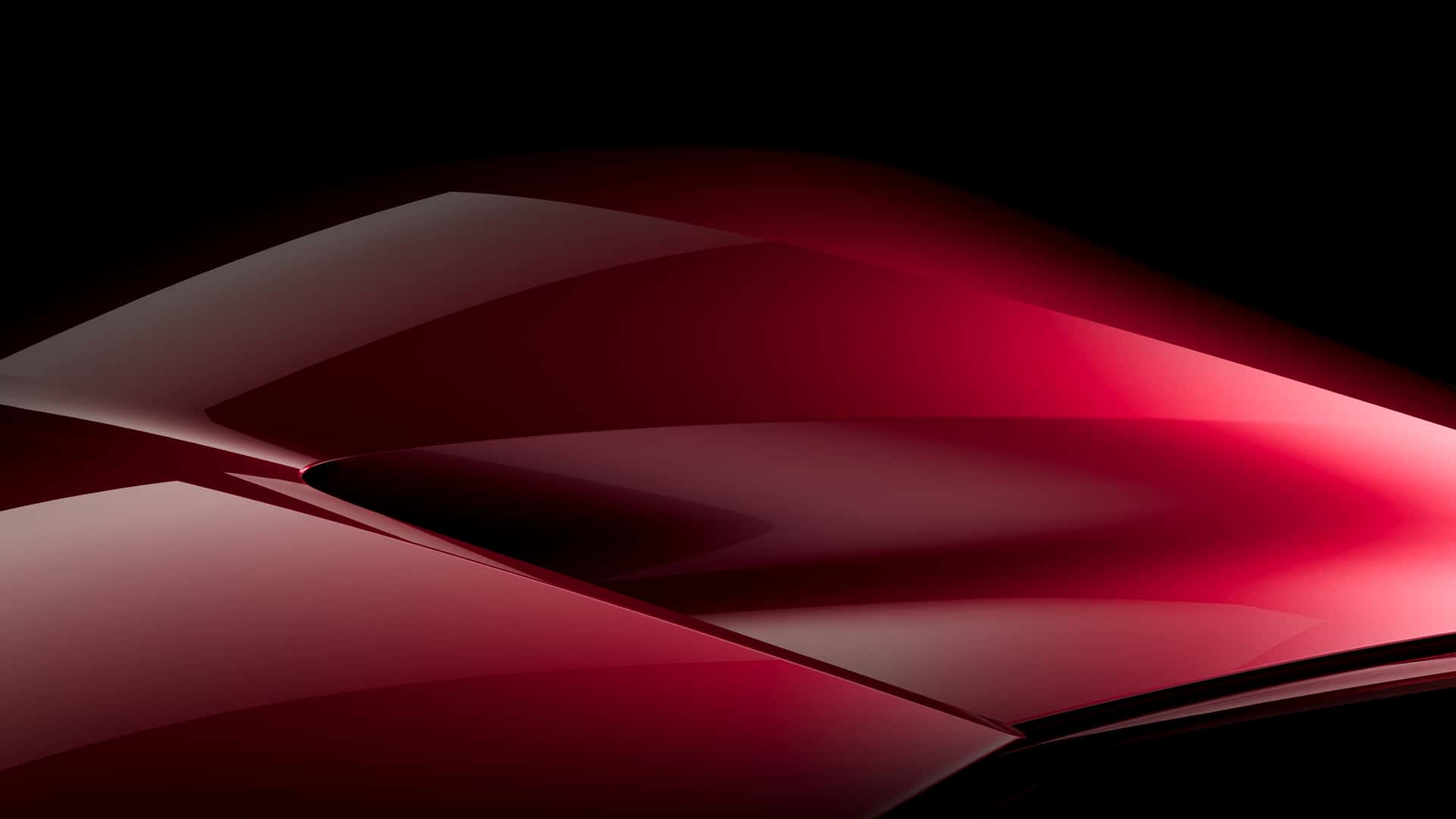
The single image released today is abstract enough to be almost useless, but it suggests the rear three-quarter of something low, sleek, and mid-engined. A sports car, possibly a supercar silhouette. Alfa says the concept draws from three pillars: Italy, Sportiness, and the color Red.
The car will debut at the Paris Motor Show on October 12. That date matters less than the context around it. Stellantis restructured its entire portfolio strategy just four months ago, telling the market that Alfa Romeo and Maserati would pivot to specialty and heritage models rather than competing for mainstream volume.
Think limited-run machines like the 33 Stradale, not mass-market sedans.
So what exactly is Alfa teasing here? The smart bet is a halo concept, something gorgeous and impractical that sets a design direction for the next generation of production cars. Those production cars, however, remain stubbornly far off.
Next-gen versions of the Giulia sedan and Stelvio SUV are expected eventually, but both have been delayed as engineers rework them to accommodate internal combustion engines after Stellantis partially retreated from its all-EV timeline. A compact crossover to sit beside the Tonale is also in the pipeline, though no firm date has surfaced.
The Tonale itself, Alfa’s only real volume play in the U.S., hasn’t moved the needle. It arrived late, landed in a brutally competitive segment, and never generated the kind of enthusiasm that the Giulia Quadrifoglio once did in much smaller numbers.
This is the contradiction at the heart of Alfa Romeo in 2026. The brand’s identity is rooted in driving purity and Italian athleticism. Its business reality is crossovers and shrinking dealer traffic.
A concept car can bridge that gap on a show stand. Bridging it in a showroom requires products, pricing, and a dealer network that actually functions. A Paris debut solves none of that.
The new Stellantis leadership team has loosened the purse strings slightly but made clear that investment dollars flow to the four core brands first. Alfa and Maserati get the specialty lane, which is a polite way of saying they get whatever is left over.
A Paris concept built on passion and heritage sounds romantic. Alfa has been dining on romance for two decades while competitors shipped actual cars. The 8C Competizione concept in 2003 launched a thousand magazine covers and a production run so tiny it barely registered.
The 4C promised accessible mid-engine thrills and exited the U.S. market after selling in numbers that wouldn’t keep a single dealership’s lights on. The pattern is familiar. Tease something beautiful, generate a wave of enthusiast goodwill, then take years to deliver a watered-down production version, if one comes at all.
Maybe this time is different. Maybe the specialty-brand mandate from Stellantis actually frees Alfa to build something raw and uncompromised in small volumes at margins that justify the effort. The 33 Stradale proved there’s appetite at the ultra-high end.
A slightly more accessible halo car could anchor a lineup that desperately needs one. Paris is four weeks away. Alfa Romeo has one teaser image, three vague brand pillars, and a sales chart that keeps pointing down.

Share this Story