
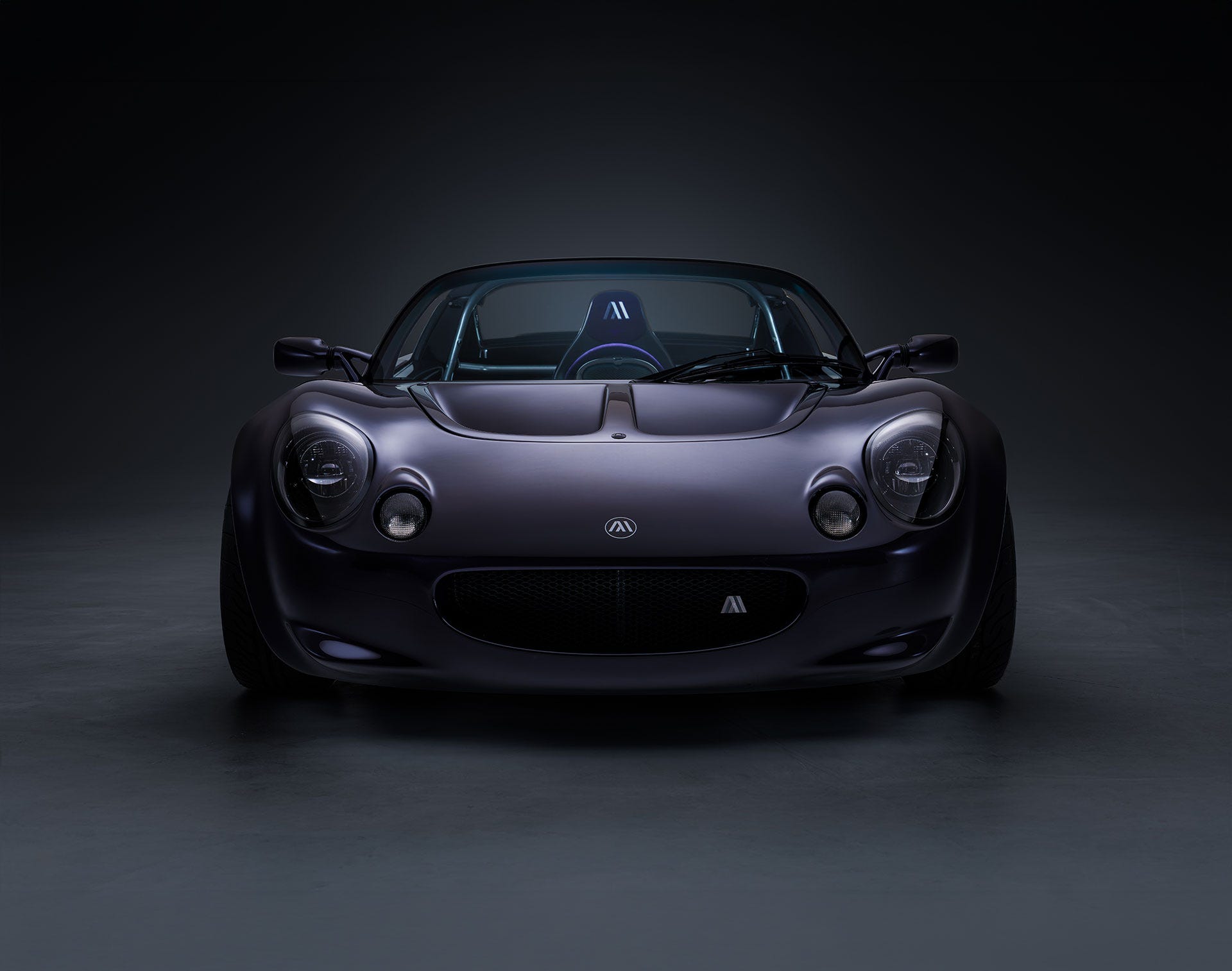


Analogue Automotive just unveiled a single-seat Lotus Elise restomod that weighs 1320 pounds and costs $470,000. That’s less than a Mazda MX-5 on the scales and more than a Ferrari 296GTB on the invoice.
The VHPK, as it’s called, strips the S1 Elise down to its philosophical bones. One seat, mounted dead center. A 1.9-liter Rover K-Series four-cylinder reworked to 247 horsepower, driving the rear wheels through a five-speed sequential gearbox. Only 35 will be built.
The math is seductive if you squint. At roughly a third the curb weight of the Ferrari it’s priced against, the VHPK doesn’t need to match its horsepower to deliver violent acceleration. Driving something this light rewires your brain.
Every input matters. Every surface imperfection registers. It’s a category of experience that raw power simply cannot replicate.
Colin Chapman’s old mantra, “simplify, then add lightness,” has been quoted so often it borders on parody. But Analogue Automotive is actually doing it, and asking you to write a check that would make Chapman himself blush. The company claims inspiration from a short-lived single-make racing series built around the S1 Elise, which helps justify the single-seat layout and the sequential box.
Road legal, yes. Road practical, not remotely.
The options list runs deep for a car with no passenger seat. Fully active suspension is available. So are carbon-fiber wheels that shave another 20 pounds. At this price point, skipping those wheels would be like ordering a Wagyu steak and holding the seasoning.
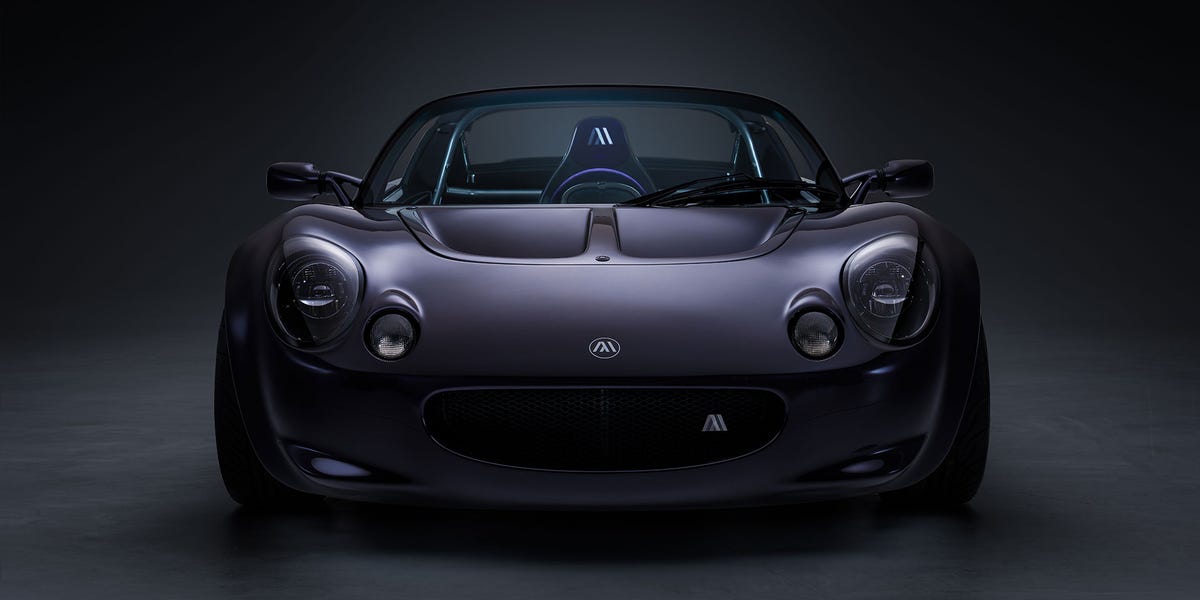
The first example is finished in a shade of purple that can only be described as aggressive. It looks like something that escaped from a racing paddock and wandered onto a concours lawn by accident. Whether that’s a selling point depends entirely on the buyer, and the buyer here is not someone comparison-shopping against a Miata.
That’s the tension embedded in every boutique restomod like this. The original S1 Elise was a revelation precisely because it was attainable. Lotus built it to prove that a lightweight sports car could be manufactured affordably using bonded aluminum and a Rover engine.
It was a middle finger to the bloat already creeping into the sports car market in the mid-1990s. It cost roughly $30,000 new. Now a company is taking that same recipe, executing it with modern composites and engineering precision, and pricing it at nearly sixteen times the original cost.
The philosophy survived. The accessibility did not.
Nobody buying a VHPK needs it explained that they’re paying a premium for subtraction. The car will weigh less than most motorcycles with a rider on them. It will feel faster at 80 mph than most supercars feel at 150. And it will sit in a climate-controlled garage next to machines that cost just as much but weigh three times more.
Thirty-five customers will sign up. Probably faster than Analogue Automotive expects. The collector market’s appetite for bespoke lightweight machines, from Singer to Kimera to Tuthill, shows no sign of cooling.
Each one of these projects bets that the original engineering idea was so good it deserves a second life at a price the original creators never imagined. The VHPK is the most extreme version of that bet yet. A car that weighs less than a grand piano, costs more than a house in most American cities, and seats exactly one person.
The waiting list is open.
Share this Story