


Two million 3 Series sedans sold in China. Twenty-one consecutive months leading the premium midsize sedan segment. On paper, BMW’s most important nameplate is doing exactly what it’s supposed to do in the world’s largest car market.
The rest of BMW’s Chinese business is bleeding out.
BMW and MINI deliveries in China fell 12.5 percent in 2025, landing at 625,527 vehicles. That was the second straight annual decline. The first half of 2026 has been worse, with volume dropping 20.4 percent to 261,773 units.
BMW initially expected to hold near 50,000 monthly deliveries early this year, then quietly revised its outlook downward. So the 3 Series is carrying weight that the rest of the lineup simply cannot.
China’s market has shifted beneath the feet of every foreign automaker. Domestic brands like BYD, NIO, and Xiaomi are delivering electric vehicles with longer range, sharper tech, and pricing that makes a Munich-engineered sedan look like an indulgence rather than an aspiration. Chinese buyers who five years ago would have walked into a BMW showroom without a second thought are now cross-shopping products that didn’t exist when the current 3 Series launched.
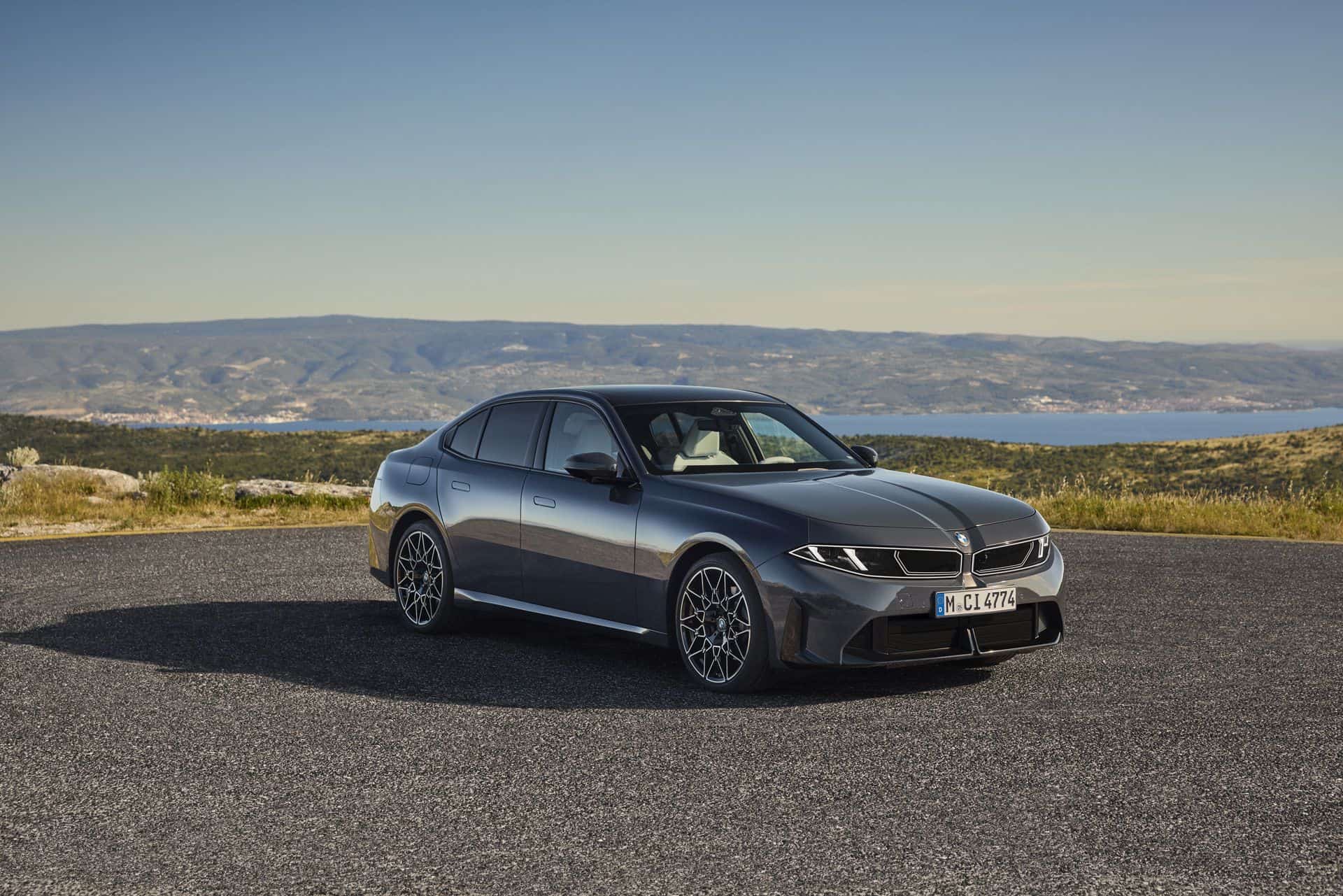
BMW knows this. The 3 Series has been increasingly tailored for Chinese tastes. Long-wheelbase variants cater to the rear-seat-first buyer who wants legroom in a compact sedan.
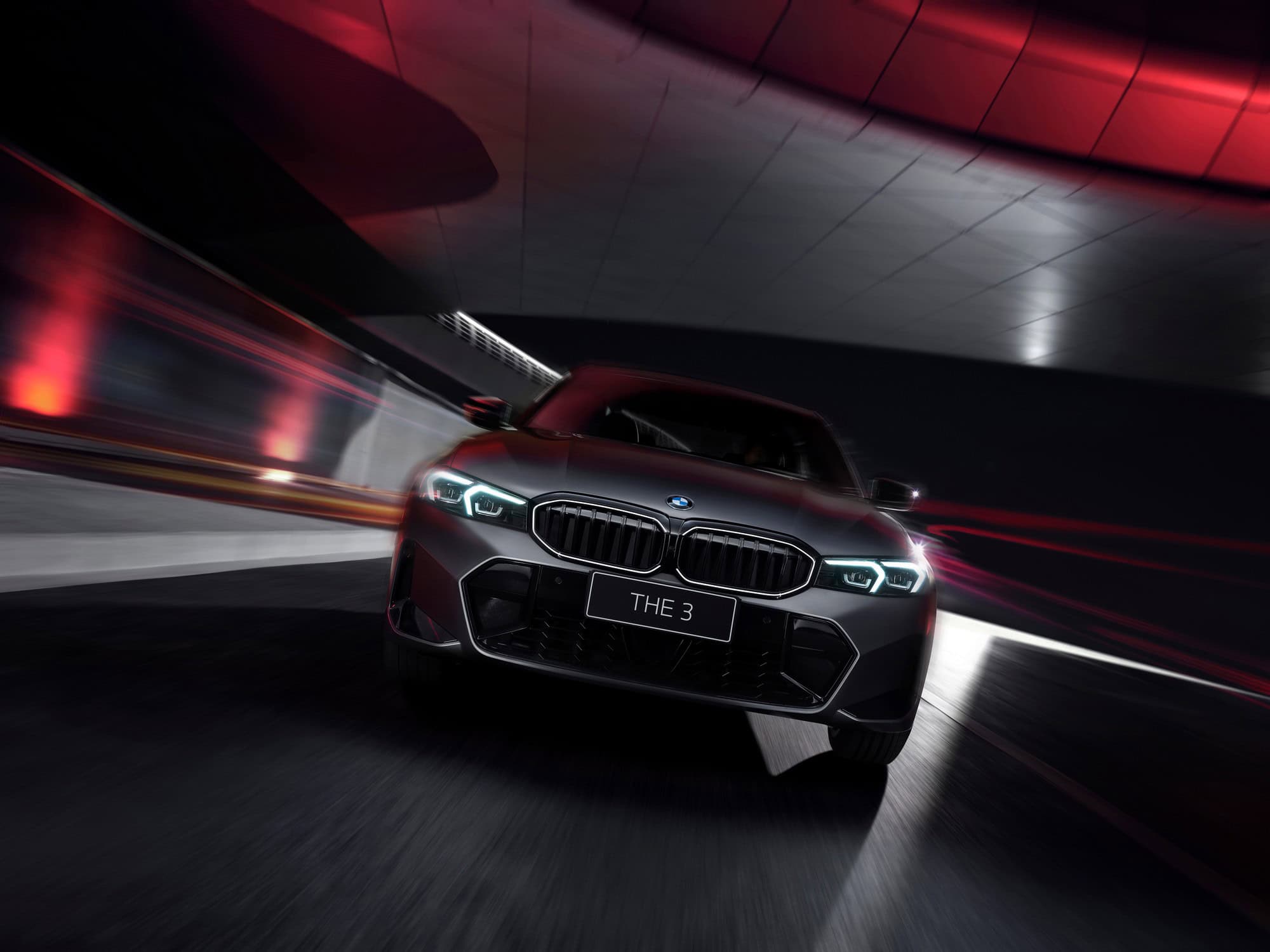
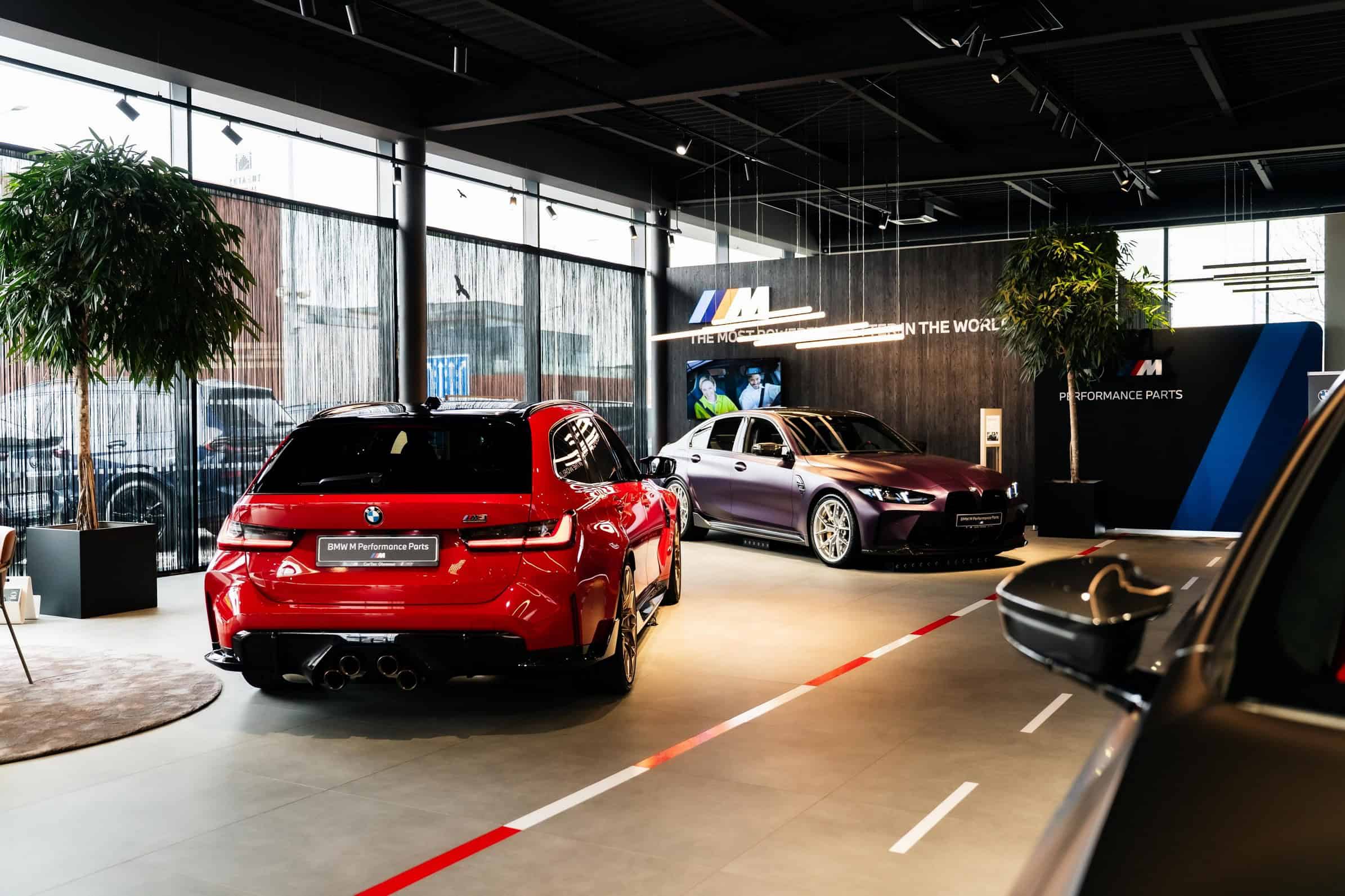
China-only special editions, like the 3 Series 50 Years Edition in Thundernight Metallic and the M3 40 Jahre Edition, are built to keep the faithful from wandering. These aren’t global cars with a Chinese flag on the brochure. They’re targeted retention plays.
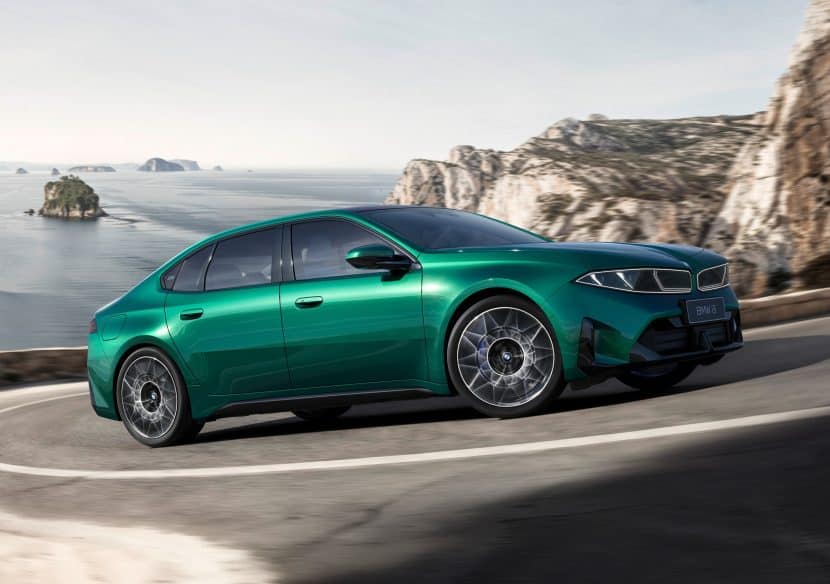
The real bet, though, is the Neue Klasse i3 and the China-only i3 L long-wheelbase variant. In June, BMW Brilliance Automotive shut down production of several existing EV models to clear the factory floor. The incoming i3 runs on sixth-generation eDrive with an 800-volt architecture, cylindrical battery cells, 400 kW peak charging, and a claimed range exceeding 1,000 kilometers on China’s generous CLTC cycle.
That last number will shrink in real-world driving, but the specs at least put BMW in the conversation with the domestic competition.
The question is timing. Chinese automakers iterate at a pace that makes European product cycles look glacial. By the time the Neue Klasse i3 reaches meaningful volume in China, the competitive target will have moved again. BYD alone launched more than a dozen new or refreshed models in 2025.
A single nameplate hitting two million cumulative sales is a genuine achievement. The 3 Series has been the backbone of BMW’s identity for half a century, and its staying power in a market this volatile says something real about the product.
But milestones are backward-looking. BMW’s China problem is not that it can’t sell 3 Series sedans. It’s that 3 Series sedans alone cannot prop up a portfolio that is losing relevance in the segments growing fastest.
The combustion-powered luxury sedan still has a customer base in China. That customer base is shrinking every quarter.
BMW is celebrating two million sold while watching its overall volume contract at double-digit rates. The Neue Klasse production ramp is months away from mattering. And every month of delay is a month where a Chinese startup eats another slice of share that won’t come back easily.
Share this Story