
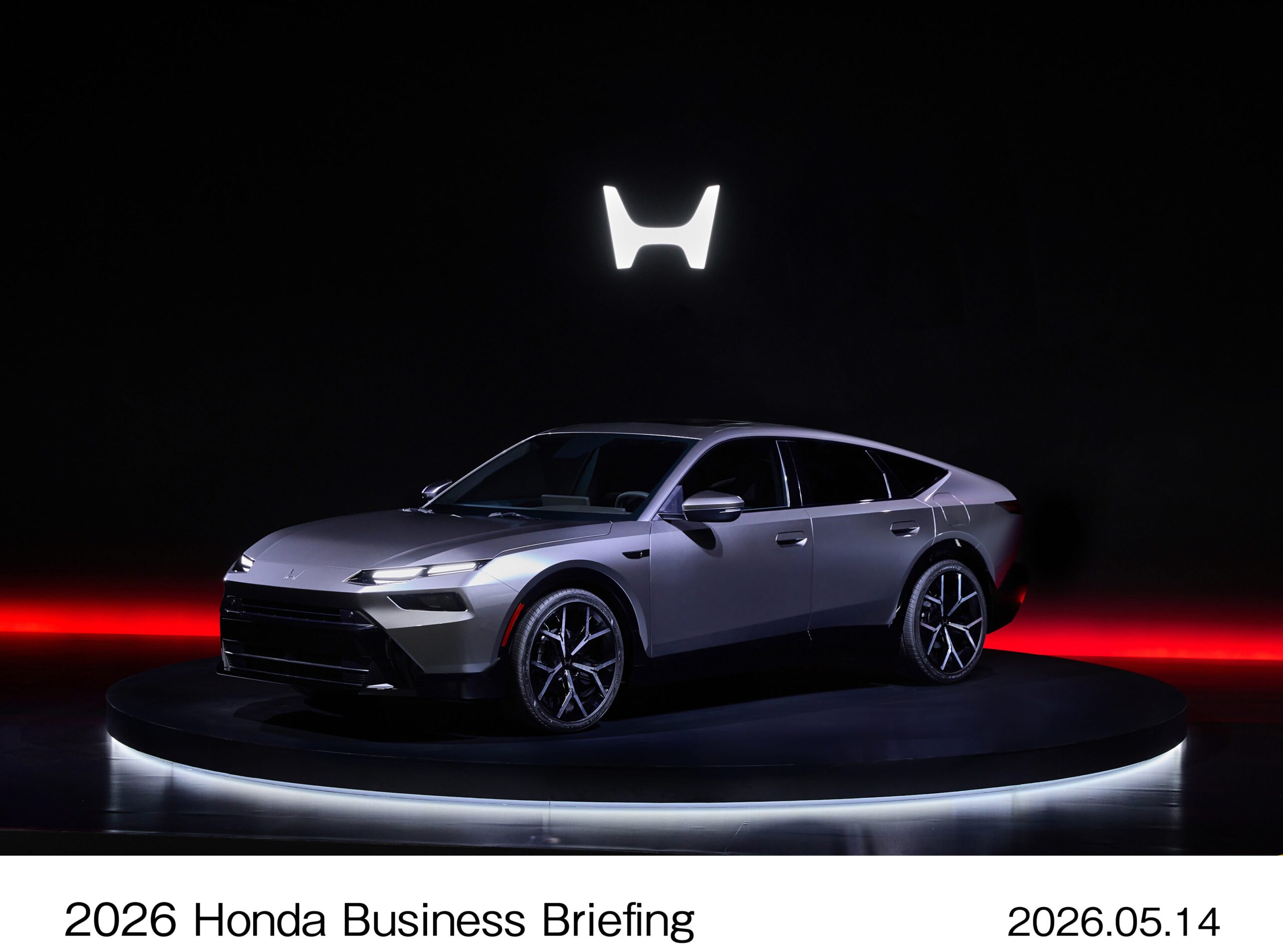


Honda is quietly studying plans for a raised Accord-based SUV that would slot into a gap Subaru created when it turned the Outback from a beloved wagon into a conventional crossover. An internal planning document obtained by Automotive News pegs potential production start at mid-2029, likely at the Marysville, Ohio, plant that already builds the Accord sedan.
Honda, for its part, flatly denies the whole thing. “We have no plans to make this type of vehicle,” the company told Car and Driver. That kind of denial is standard currency in an industry where product plans leak years before anyone signs off on tooling budgets.
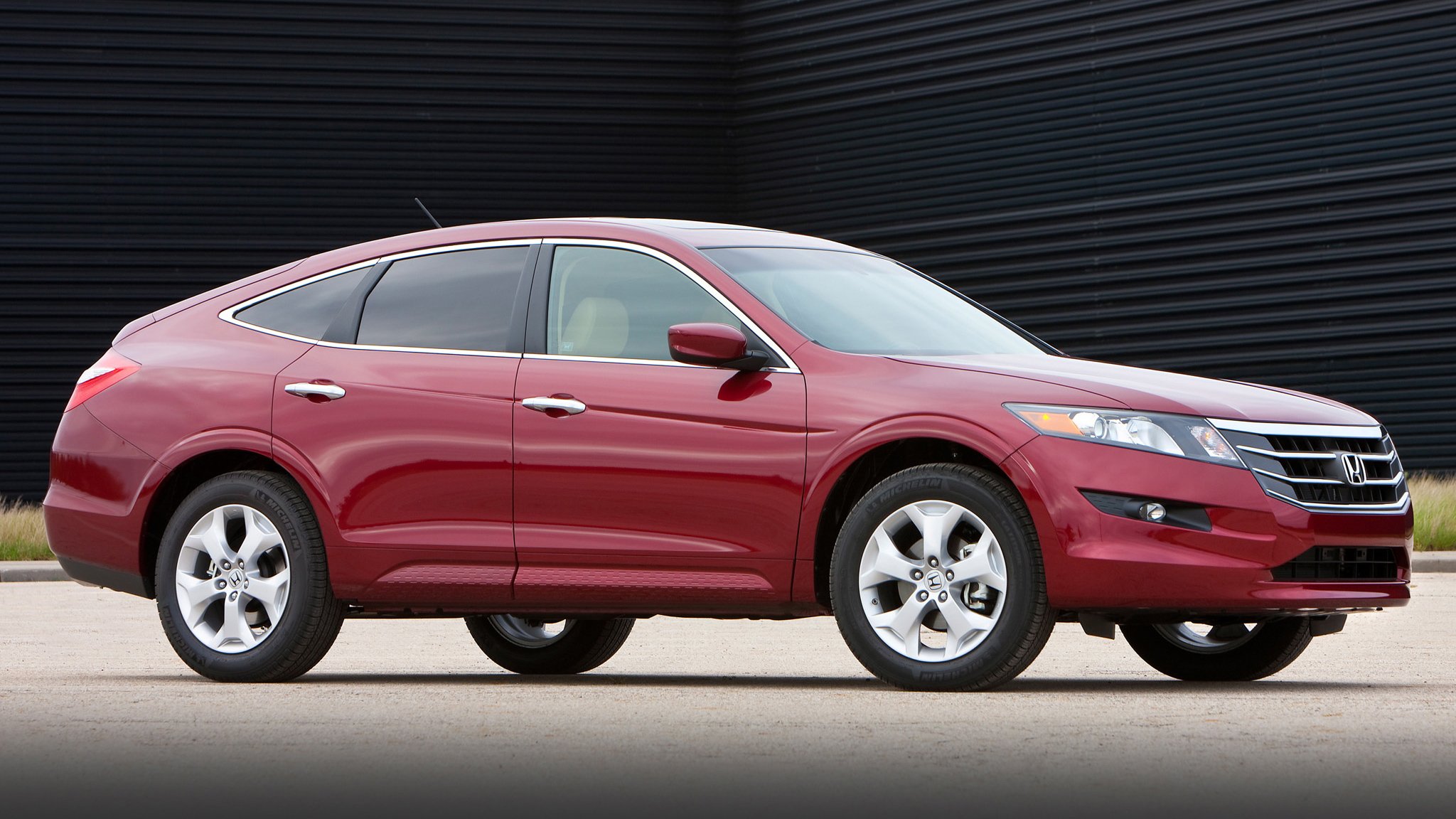
The concept is a second swing at the Accord Crosstour, the awkward liftback Honda sold from 2010 to 2015 before mercy-killing it over weak demand. That car was too tall, too wide, and too strange for a market that hadn’t yet fully embraced the crossover craze. Timing killed it more than the idea itself.
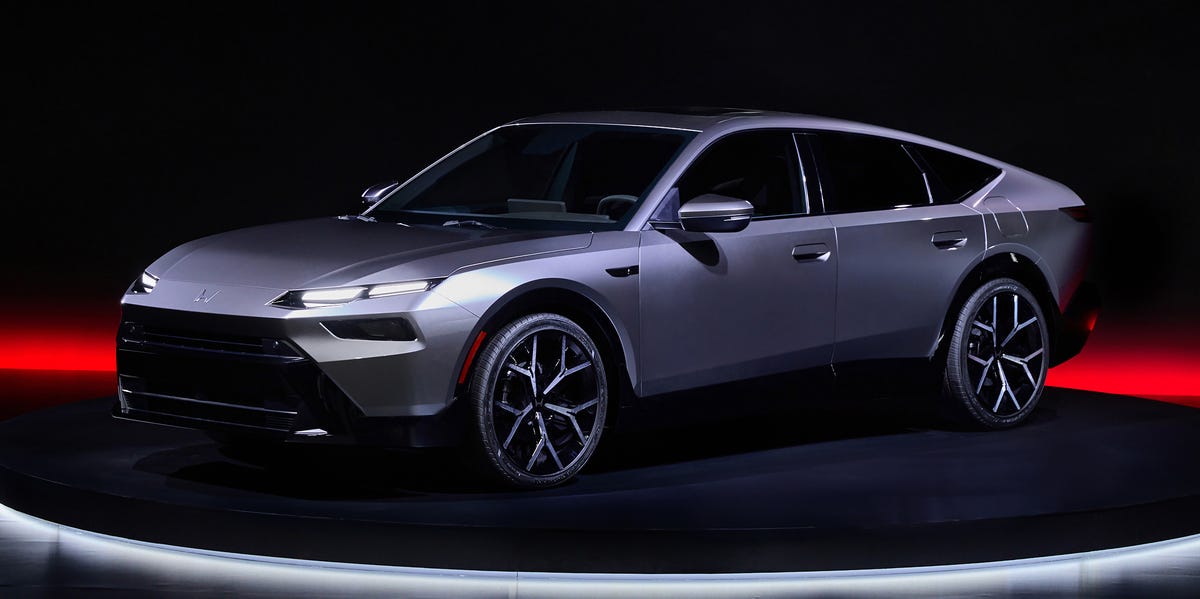
Crossovers and SUVs now dominate every sales chart in America, and the specific niche Honda appears to be targeting, the rugged-looking lifted wagon, has fewer occupants than it once did. Subaru’s Outback, long the king of that segment, has drifted steadily upward in ride height and bulk with each generation, morphing into something closer to a traditional SUV. That evolution left behind a pocket of loyalists who liked the old formula: car-like dynamics, a lower center of gravity, and all-weather capability without the bulk of a proper truck.
Honda apparently sees those orphaned buyers as ripe for the taking.
The timeline matters because the lifted Accord would arrive alongside a delayed next-generation Accord sedan, now pushed to 2030 as part of broader schedule shifts across Honda’s lineup. Both models would share Honda’s upcoming hybrid powertrain, which pairs a new direct-drive motor with a revised generator motor and updated battery pack. Sharing a platform and assembly line with the sedan would keep development costs in check, a critical factor for a vehicle that might appeal to a relatively narrow slice of the market.
Building a niche product on a high-volume platform is the smart play. It is the exact playbook Subaru used with the original Outback, which was a Legacy wagon with a lift kit, plastic cladding, and an attitude adjustment. That formula sold nearly 200,000 units a year at its peak. Honda would love even a fraction of that.
The risk is that Honda misreads the moment again. The Crosstour flopped not just because it was early but because it was aesthetically challenging and priced uncomfortably close to the Accord itself. A 2030-era version would need to justify its existence against Honda’s own CR-V, which already outsells the Accord by a wide margin and occupies similar real estate in showrooms.
Honda’s denial notwithstanding, internal documents don’t materialize from thin air. The fact that the company has assigned a name and a production window suggests the idea has advanced well beyond the napkin-sketch phase. Whether it survives the gauntlet of business-case reviews and reaches a dealer lot is another question entirely.
Three years is a long time in this industry. Subaru could course-correct the Outback, consumer preferences could shift again, or Honda could finally land the Crosstour concept in a market that is actually ready for it. The planning documents exist, the factory exists, and the buyers Honda wants to steal are real. What remains uncertain is whether anyone in Tokyo will sign the check.

Share this Story