
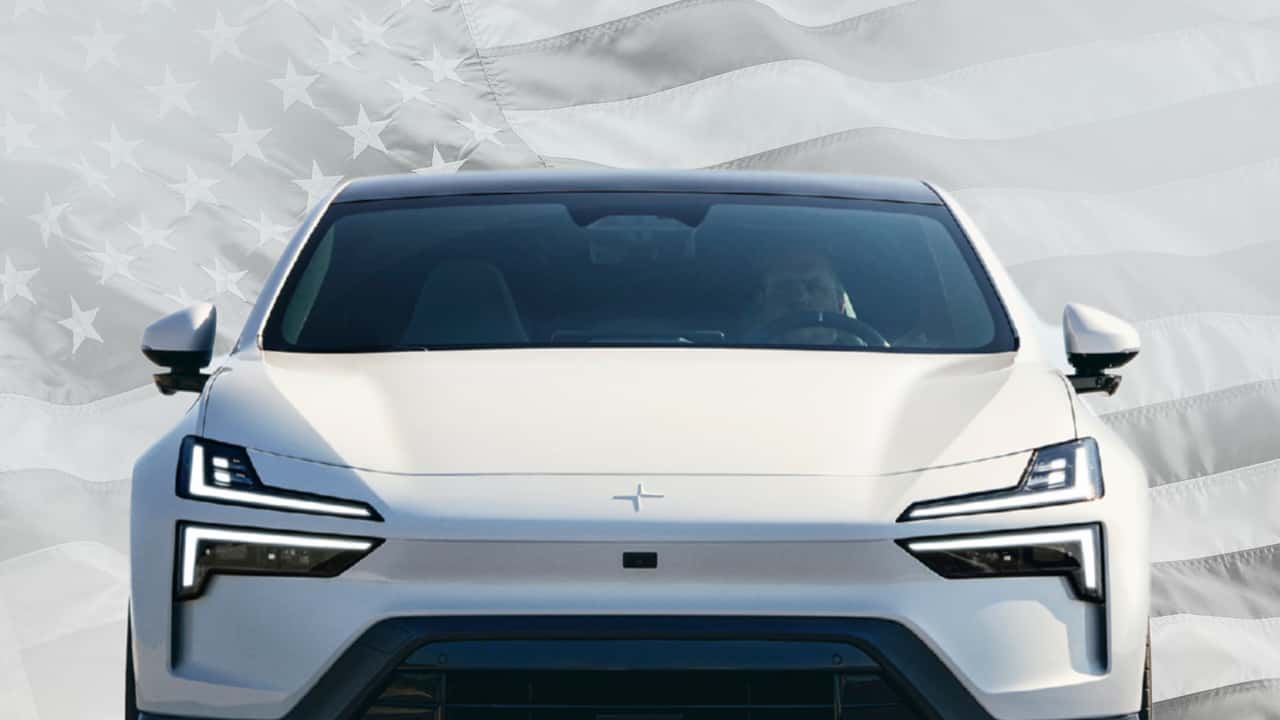


Polestar has decided not to challenge the US government’s ban on its future vehicle sales, effectively walking away from one of the largest car markets on the planet. No appeal. No lawsuit. Just a quiet exit.
“We will instead focus our investments on markets where we have a strong brand position and ability to achieve profitable growth, with a strong weighting towards Europe,” Polestar spokesman Michael Ofiara told the Wall Street Journal.
Ofiara said the company held “significant dialogue” with US officials and concluded an appeal was unlikely to succeed. That’s corporate language for: we read the room.
The ban comes from the Commerce Department’s new connected-vehicle security rules, which prohibit Chinese software in internet-connected vehicles starting with the 2027 model year. Cameras, GPS systems, and other onboard tech were flagged as potential national security risks if controlled by foreign adversaries. Polestar, majority-owned by China’s Zhejiang Geely Holding Group, was denied the special authorization it needed to keep selling.
Here’s where it gets interesting. Volvo, also majority-owned by Geely, received that very same authorization earlier this year. Same parent company, same ownership structure, shared engineering. The Polestar 3 and Volvo EX90 literally roll off the same assembly line in South Carolina.
The Commerce Department has declined to explain the discrepancy.
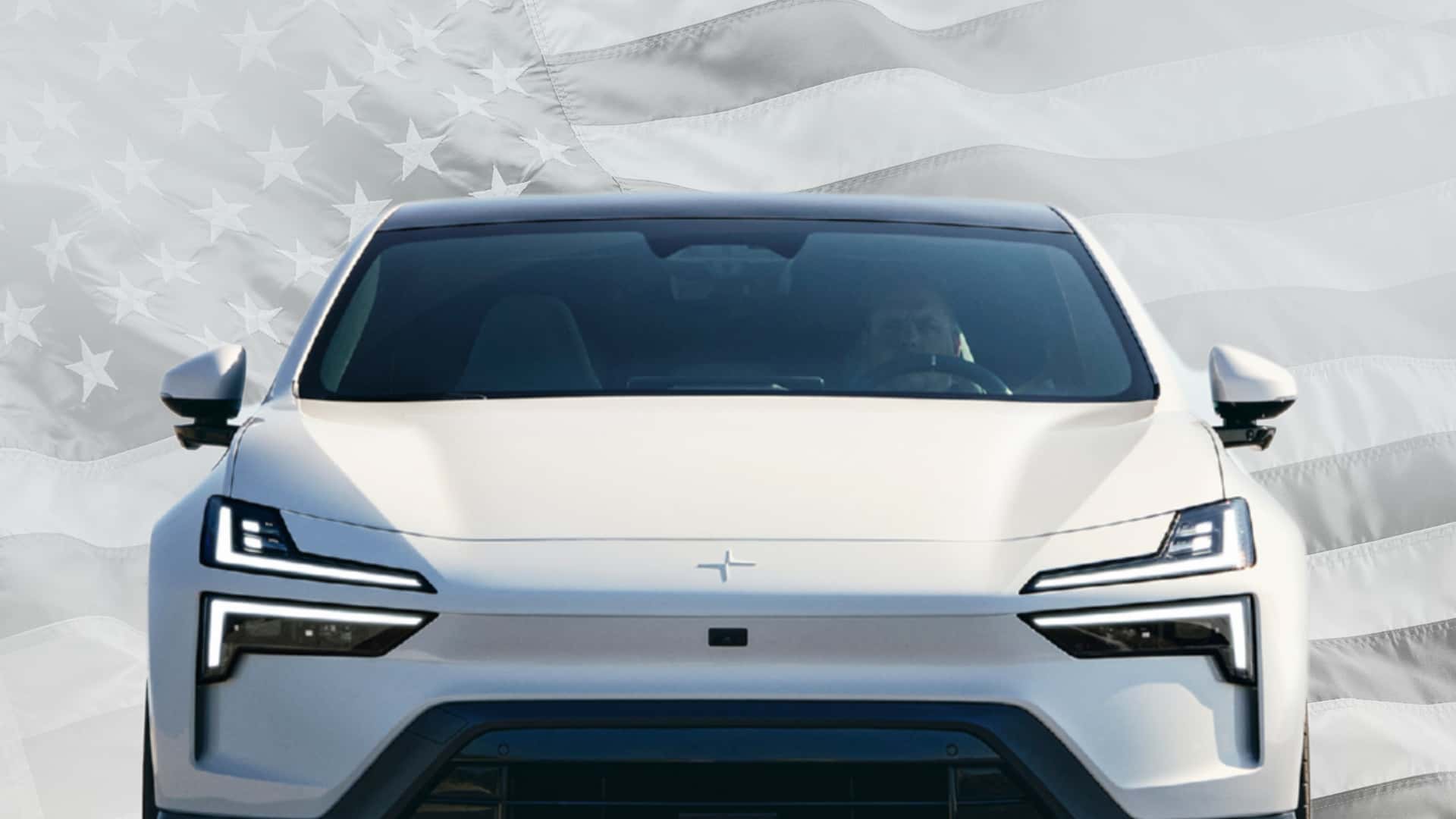
That silence is deafening. Two brands under the same Chinese parent, one approved and one shut out, with no public rationale for the split decision. Either there’s a meaningful technical difference in how the two companies handle data and cybersecurity, or the rules are being applied with a degree of arbitrariness that should concern every foreign-owned automaker doing business in America.
The irony runs deeper. Polestar no longer even sells Chinese-built vehicles in the United States. The Polestar 2 left the market after tariffs on Chinese-built EVs took effect.
The Polestar 3 is assembled in South Carolina. The new Polestar 4 comes from South Korea. Building cars outside China wasn’t enough to satisfy regulators focused on the software running inside them.
For existing Polestar owners, the news stings in a very tangible way. Resale values were already sliding. With the brand now clearing out remaining US inventory at discounts reportedly reaching $25,000, the bottom could fall out entirely. Service and software support become open questions when a manufacturer has no market presence.
A Polestar sales representative reportedly told one buyer he’s heard internal chatter about a possible return in 2028 with reworked software. That’s the kind of thing sales reps say to close a deal, not a corporate strategy. Polestar’s official posture is retreat, not regrouping.
The broader pattern is unmistakable. Washington is drawing an increasingly hard line against Chinese automotive influence, and that line doesn’t always follow logic. Tariffs hammer Chinese-built EVs, security rules target Chinese software, and ownership ties to Chinese companies trigger suspicion regardless of where the cars are actually made or how the data is actually handled.
Polestar never cracked the US market the way it needed to. Sales were modest, brand awareness was thin, and the product lineup struggled against Tesla’s gravitational pull and the growing roster of domestic EV options. Fighting a federal ban in that context probably looked like throwing good money after bad.
But walking away without contesting the ruling sets a precedent. It tells regulators that these rules will go unchallenged, even when their application raises uncomfortable questions. Volvo got a pass. Polestar didn’t. Nobody has to explain why.
That’s not security policy. That’s a black box.


Share this Story