
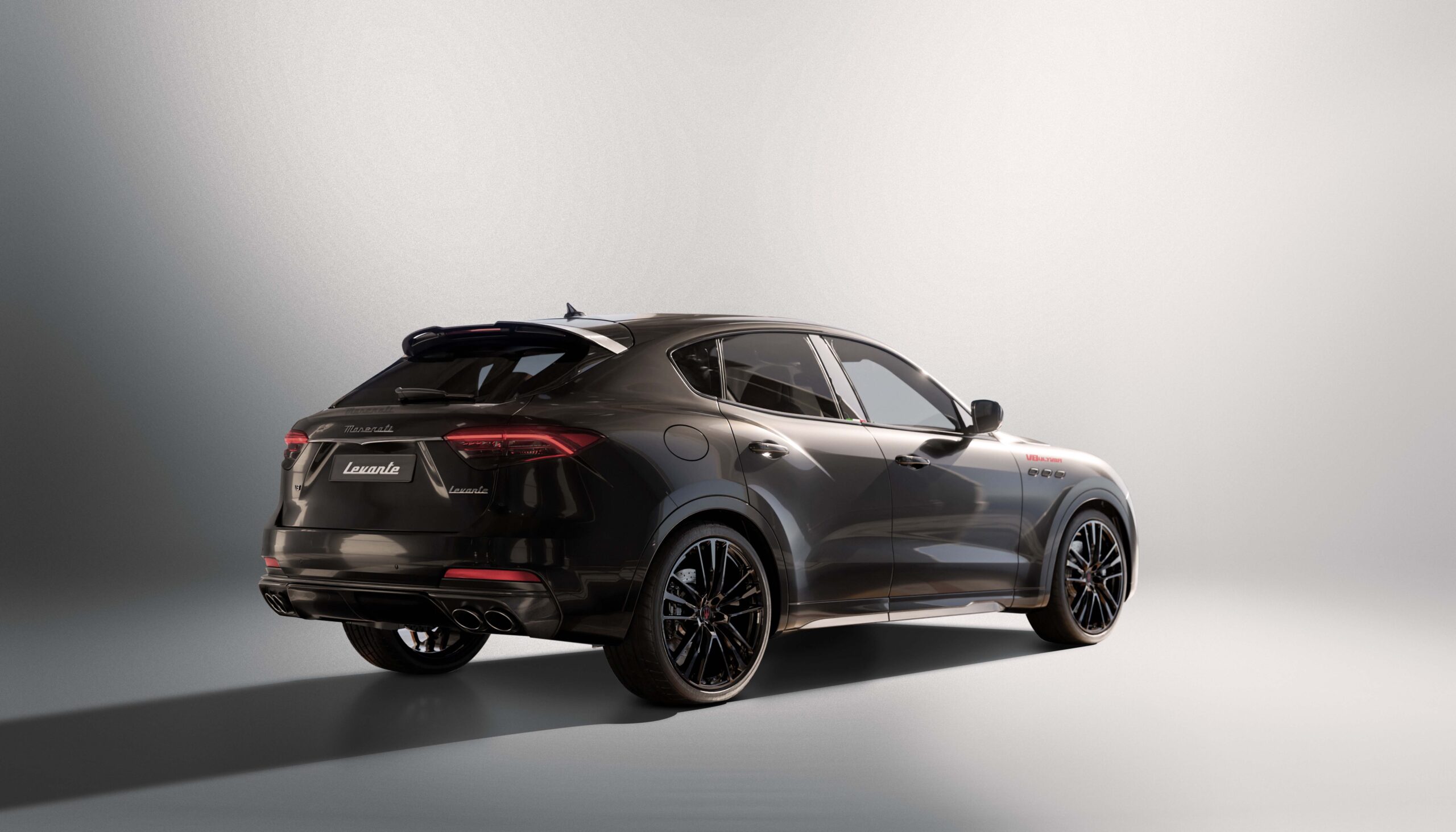


Maserati skipped the Paris auto show this week. No stand, no concept car, no speeches under dramatic lighting. For a brand that once defined Italian automotive glamour, the empty seat said plenty.
But behind the silence, something is apparently cooking. Maserati CEO Santo Ficili confirmed the brand is developing an electric SUV to replace the discontinued Levante and reimagining the Quattroporte as a shooting brake-crossover hybrid. The full plan gets unveiled in December in Modena.
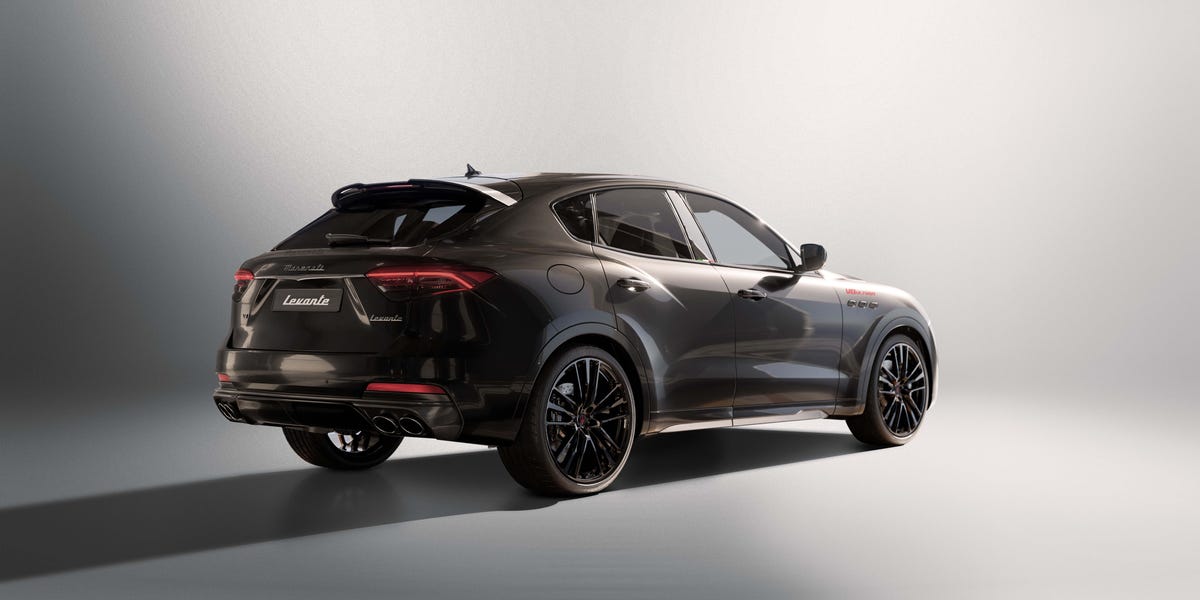
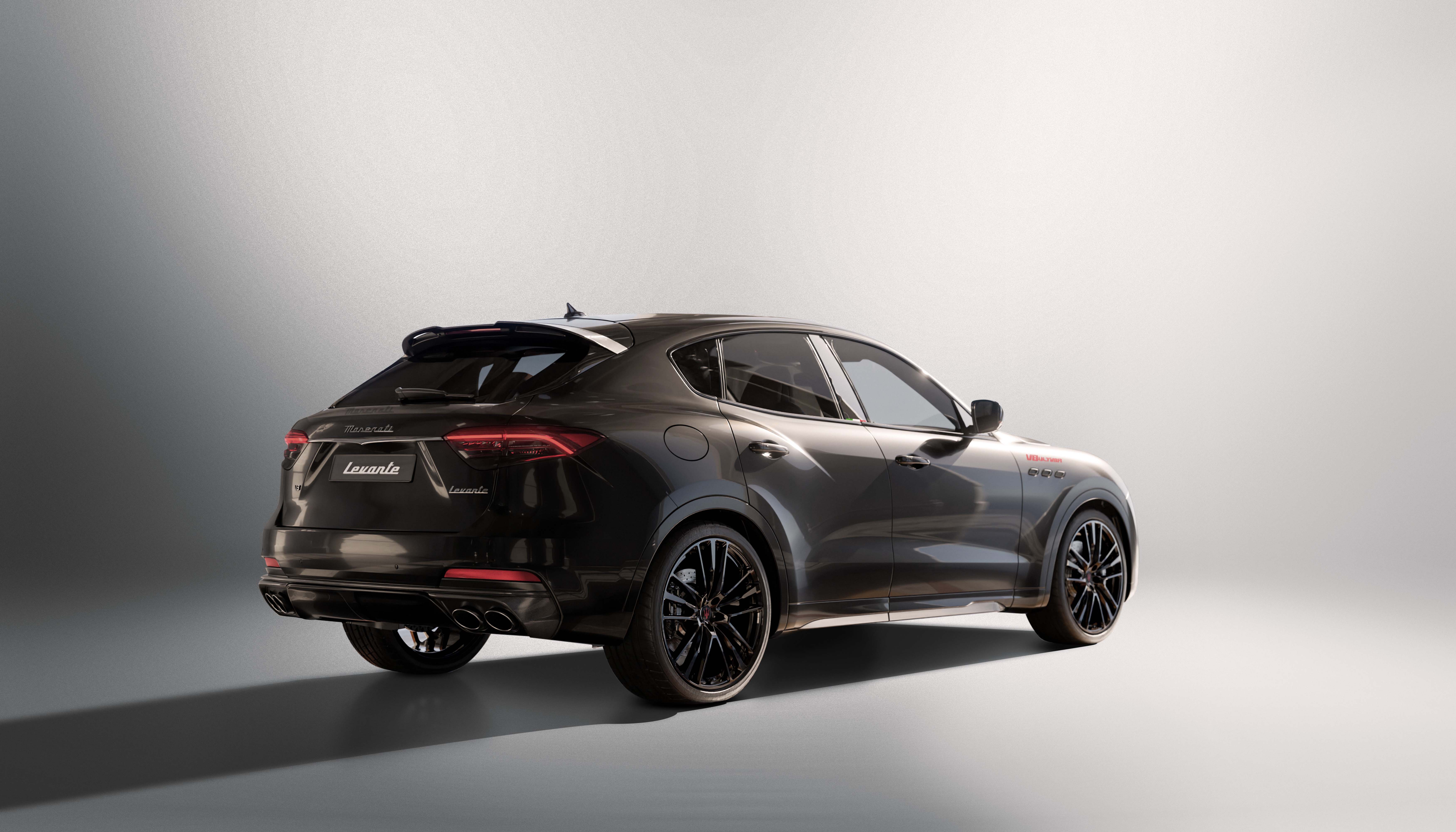
The original Levante came packing twin-turbo V-6 and V-8 engines. The replacement will be fully electric, slotting above the compact Grecale Folgore in what Maserati hopes will become a credible EV SUV lineup. If the footprint stays similar, it puts the new Levante squarely in competition with the Porsche Cayenne Electric, the BMW iX, and whatever else the premium segment throws at the wall between now and launch.
The Quattroporte twist is stranger and more interesting. The nameplate has been a sedan since 1963. Ficili says the next one won’t be.
He described it as “something between a shooting brake and a crossover,” calling it “a very low, big car.” That’s a risky play for a badge that has meant four-door sports sedan for six decades. It also happens to be exactly the kind of move a brand with nothing left to lose would make.
Stellantis CEO Antonio Filosa told Bloomberg TV that Maserati isn’t being sold off or shuttered. That statement itself tells you how bad things have gotten. When the parent company’s CEO has to publicly confirm a brand still has a pulse, the patient is on life support.
Sales have been cratering for years. The GranTurismo and MC20 are beautiful machines that almost nobody buys in volume. The Grecale was supposed to be Maserati’s Macan fighter but arrived into a market already crowded with competent luxury crossovers from brands with better dealer networks and stronger reputations for reliability.
Tariffs have compounded the pain. Building cars in Italy and shipping them to the United States, China, and the Middle East was always expensive. In 2026, it borders on prohibitive. Maserati doesn’t have the volume to absorb those costs the way Ferrari or even Lamborghini can.
So December becomes the most critical month in Maserati’s recent history. Filosa promises new products and new technology. Ficili has sketched out two vehicles that sound genuinely different from anything in the current portfolio.
The question is whether Stellantis will fund them properly or simply greenlight another round of platform-sharing compromises that dilute whatever identity Maserati has left. The Grecale already rides on a platform shared with the Alfa Romeo Stelvio. The GranTurismo shares bones with the MC20.
Sharing architecture isn’t inherently bad, but it becomes a problem when the resulting cars feel more like cousins than individuals. An electric Levante built on a dedicated EV platform with real engineering distinction could work. A shooting brake Quattroporte with actual presence and driving character could turn heads.
But “could” has been doing a lot of heavy lifting at Maserati for the better part of a decade. Modena in December will either be a genuine turning point or another set of renderings and promises. The brand has survived bankruptcies, ownership changes, and decades of mismanagement before. Whether it can survive irrelevance is a different question entirely.
Share this Story