
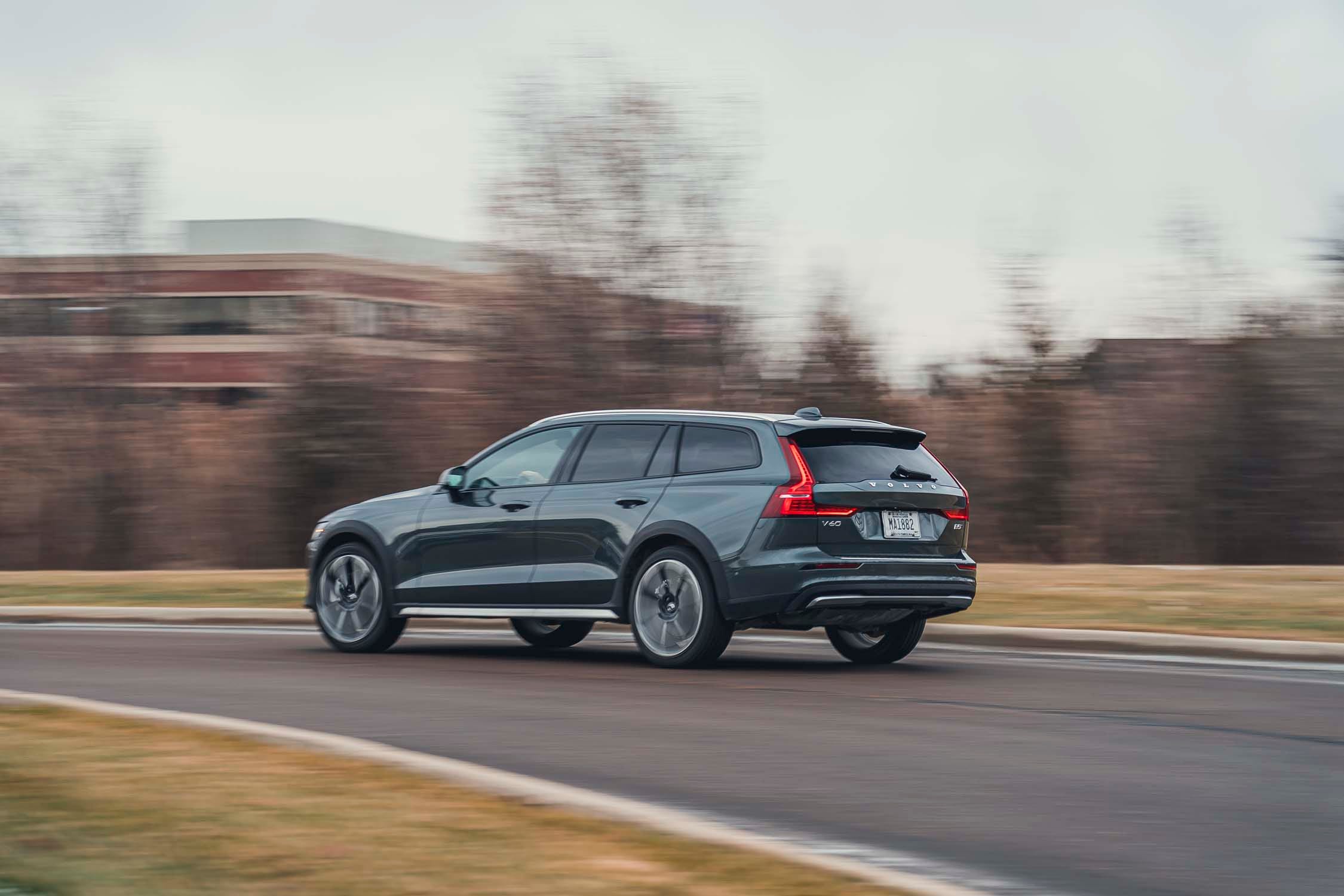


Thirteen new vehicles by 2030. That is what Volvo just put on the table, calling it the largest product push in the company’s 99-year history. Seven of those models are headed to Western markets, and buried in the presentation slides was a phrase that should make enthusiasts sit up: “new low & high body types.”
Low body types. At Volvo, that has always meant one thing.
Station wagons built this brand. The boxy 240 that rumbled through suburbs for two decades. The 850 T-5R that turned BTCC racing into appointment television.
Wagons were Volvo’s identity before the SUV tide swallowed everything in its path. The V90 and V60 are both being killed off in the U.S. after 2026, victims of that same tide. Now Volvo appears ready to bring the wagon back, this time with a plug.
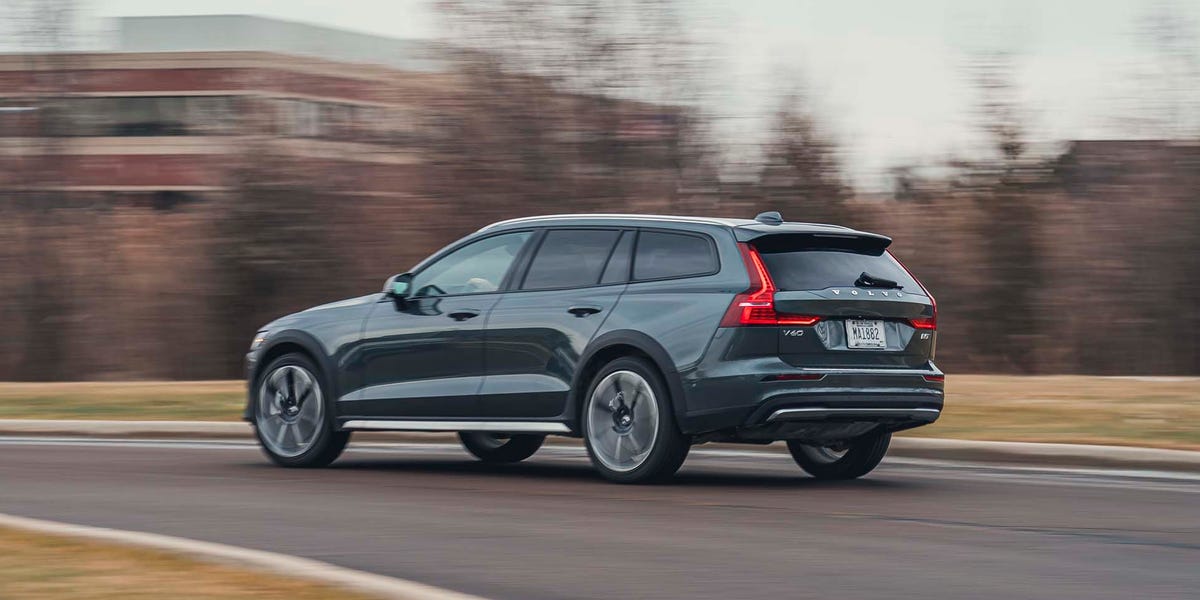
Automotive News previously reported that an electric sedan and wagon, potentially badged ES60 and EV60, are in development for the American market with a target launch of 2028. Pricing would start in the low $50,000 range, built on Volvo’s new SPA3 platform, the same architecture underpinning the EX60.
The seven Western-market models will ride on either SPA2 or SPA3. SPA2 already supports the EX90 and the now-departed-from-U.S.-shores Polestar 3. SPA3 is the newer, more flexible foundation, and another report points to an EX50 compact electric SUV arriving in fall 2027 to replace the recently discontinued EX40.
Volvo also confirmed its lineup will include both fully electric vehicles and third-generation hybrids. That is a quiet but telling concession. A year ago, the company was still talking about going fully electric by 2030.
The hybrid hedge reflects reality: charging infrastructure remains uneven, and consumers in many markets still want a combustion safety net.
Six of the 13 new vehicles will be China-specific. That split tells you where Volvo sees its growth and where it sees its fight. In China, homegrown EV brands like BYD and NIO are eating into every legacy automaker’s share.
In Europe and North America, Volvo needs to differentiate, and rolling out wagons and sedans alongside the SUV herd is one way to do it.
The timing is worth watching. Last week Volvo refreshed the XC40. Days later it updated the XC60 and XC90, stopgap moves keeping current product competitive while the real offensive takes shape behind the curtain.
Whether American buyers will actually show up for an electric wagon priced north of $50,000 is a separate question entirely. The V60 and V90 never sold in large numbers here even when they were offered with familiar powertrains. Volvo is betting that the EV angle, combined with the brand’s safety reputation and a genuine lack of wagon competition in the electric space, changes the math.
Nobody else is doing this. BMW does not sell an electric wagon in the States. Mercedes pulled the wagon from America years ago, and Audi’s Avant nameplate remains a European affair.
If Volvo delivers, it will own a segment of one. That is either visionary product planning or an expensive nostalgia play. Volvo has four years to prove which one it is, and the clock started ticking last week.


Share this Story