
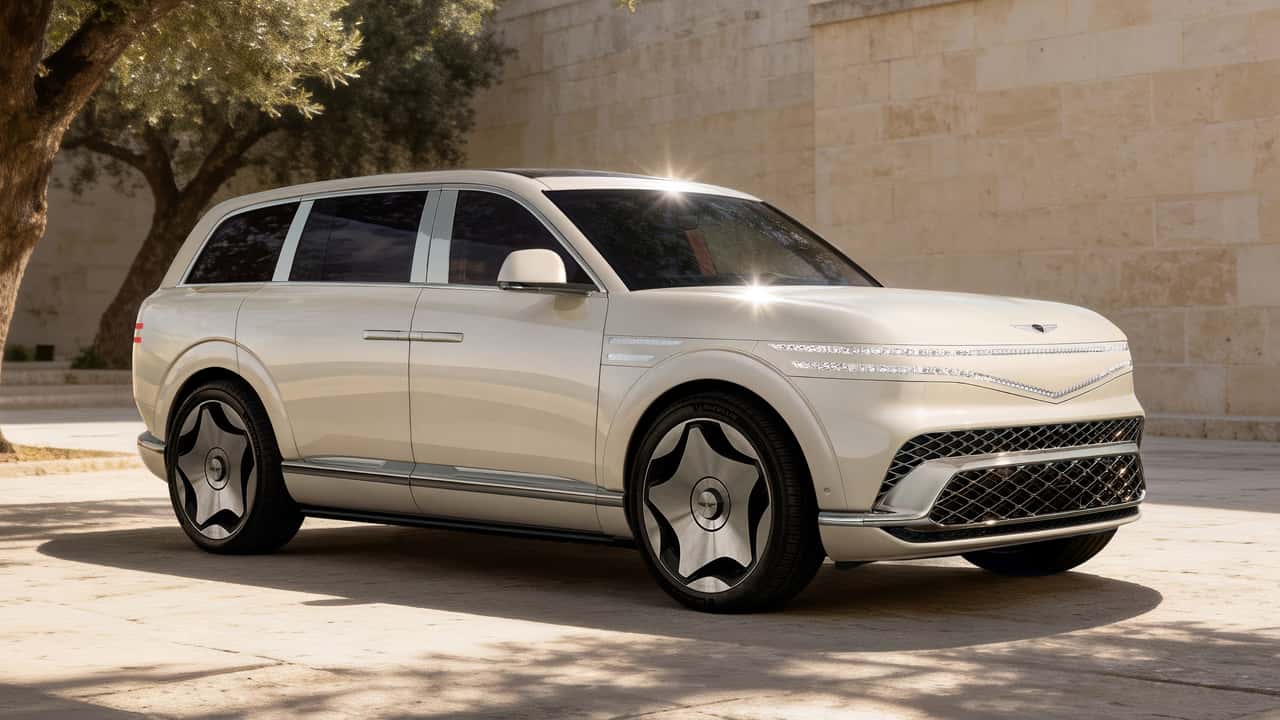


Genesis launched its One Of One customization program in Dubai and the UAE back in 2023. Now the Korean luxury brand wants to bring it stateside, though it has no timeline, no pricing, and no concrete details about what the American version will actually include. That’s a lot of ambition with very little scaffolding.
Chief Creative Officer Luc Donckerwolke confirmed the plans during the launch of the new GV90 flagship SUV, telling reporters that the “whole process has to be tailored for the US customers.” The implication is clear: what works in the Middle East, where Genesis already offers bespoke versions of the G90, G80, and GV80, won’t simply be copy-pasted for American buyers.
The One Of One program goes deeper than a longer options sheet. Genesis describes it as a way to build vehicles reflecting individual taste, lifestyle, and personality. Think less “pick your leather color” and more “we’ll design a car around who you are.”
It is the kind of white-glove service that Rolls-Royce, Bentley, and Mercedes-Maybach have been printing money with for decades. And that is exactly the company Genesis is trying to keep. The brand has been steadily pushing upmarket, adding the coach-doored GV90 to its lineup while simultaneously building out its Magma performance sub-brand.
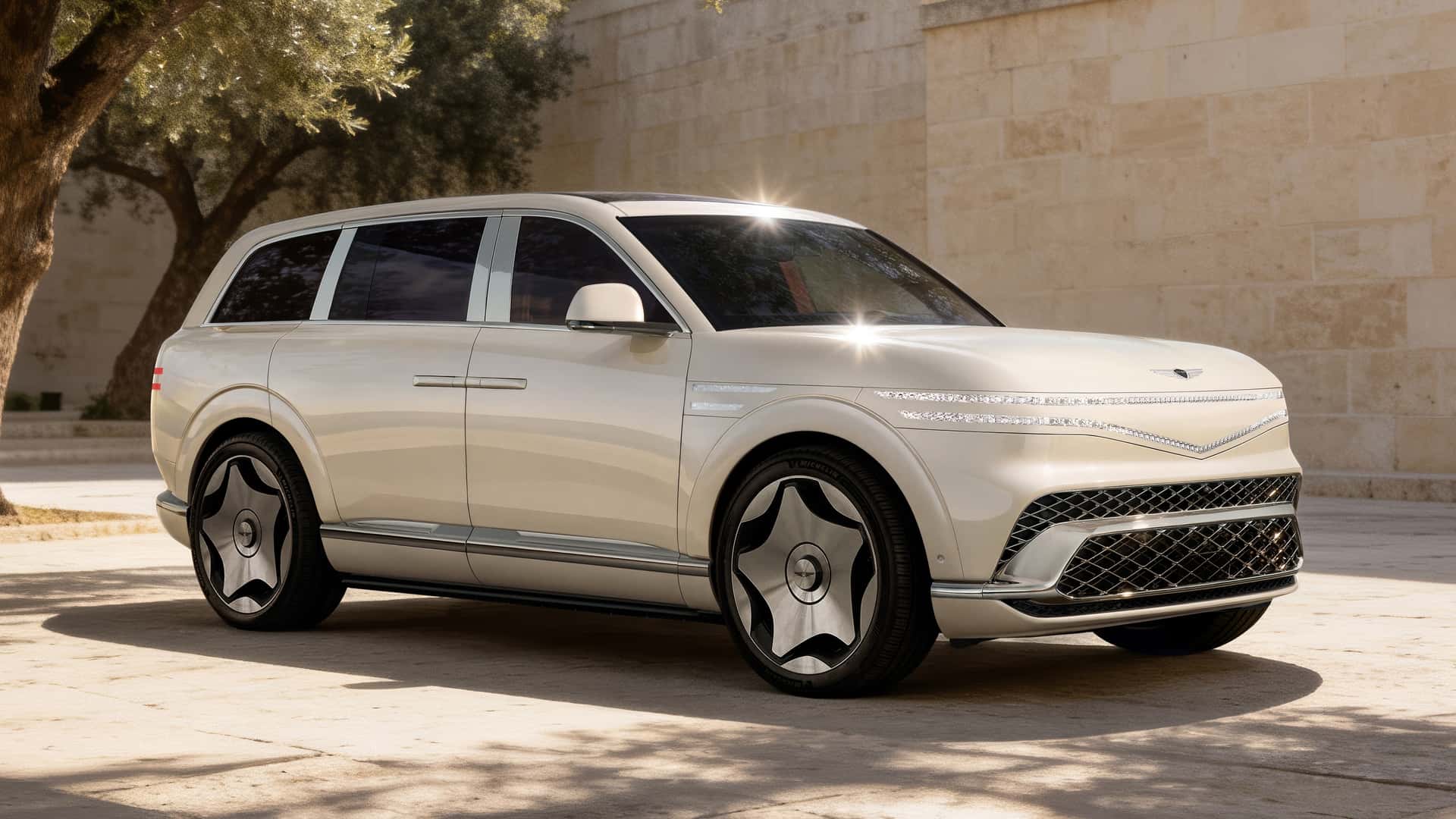
One Of One and Magma together are supposed to form the twin pillars of Genesis’ future identity, at least according to the brand’s own designers. The problem is credibility. BMW Individual, Mercedes Designo, and Porsche Exclusive Manufaktur all rest on decades of heritage and customer trust.
Bentley’s Mulliner division has been hand-building cars since the 1950s. Genesis, by contrast, sold its first standalone model in 2017. Asking American luxury buyers to commission a one-off vehicle from a brand that still shares dealership space with Hyundai in some markets is a steep ask.
That doesn’t mean it’s impossible. Genesis has been quietly building goodwill with sharp design, competitive pricing, and solid build quality. The G90 sedan genuinely competes with the Mercedes S-Class on interior refinement.
The GV80 has carved out real space in the luxury SUV segment. There is a foundation here. But bespoke programs don’t just require good cars.
They require craftspeople, materials sourcing, and a customer experience that feels worth the premium. Genesis hasn’t explained how it plans to deliver any of that in the US. It hasn’t identified which models will be eligible, what the customization boundaries are, or where the work will be done.
The Middle Eastern program grew out of direct customer demand. Buyers in that market wanted more than the standard catalog could offer, and Genesis responded by standing up a dedicated operation. Whether similar demand exists among American Genesis owners is an open question the brand apparently hasn’t answered yet.
For now, this is a statement of intent rather than a product announcement. Genesis wants American buyers to know it is thinking bigger, playing in spaces it hasn’t occupied before. The GV90 with its rear-hinged coach doors already signals that ambition.
A bespoke program would be the next logical step. Logical, but not easy. The luxury establishment doesn’t hand out seats at the table just because you show up with a nice suit.
Genesis still has to prove it belongs in the same conversation as brands that have been doing this for generations. A vague promise to customize cars “someday” does not get it there. The clock is ticking on turning talk into something a customer can actually order.


Share this Story