
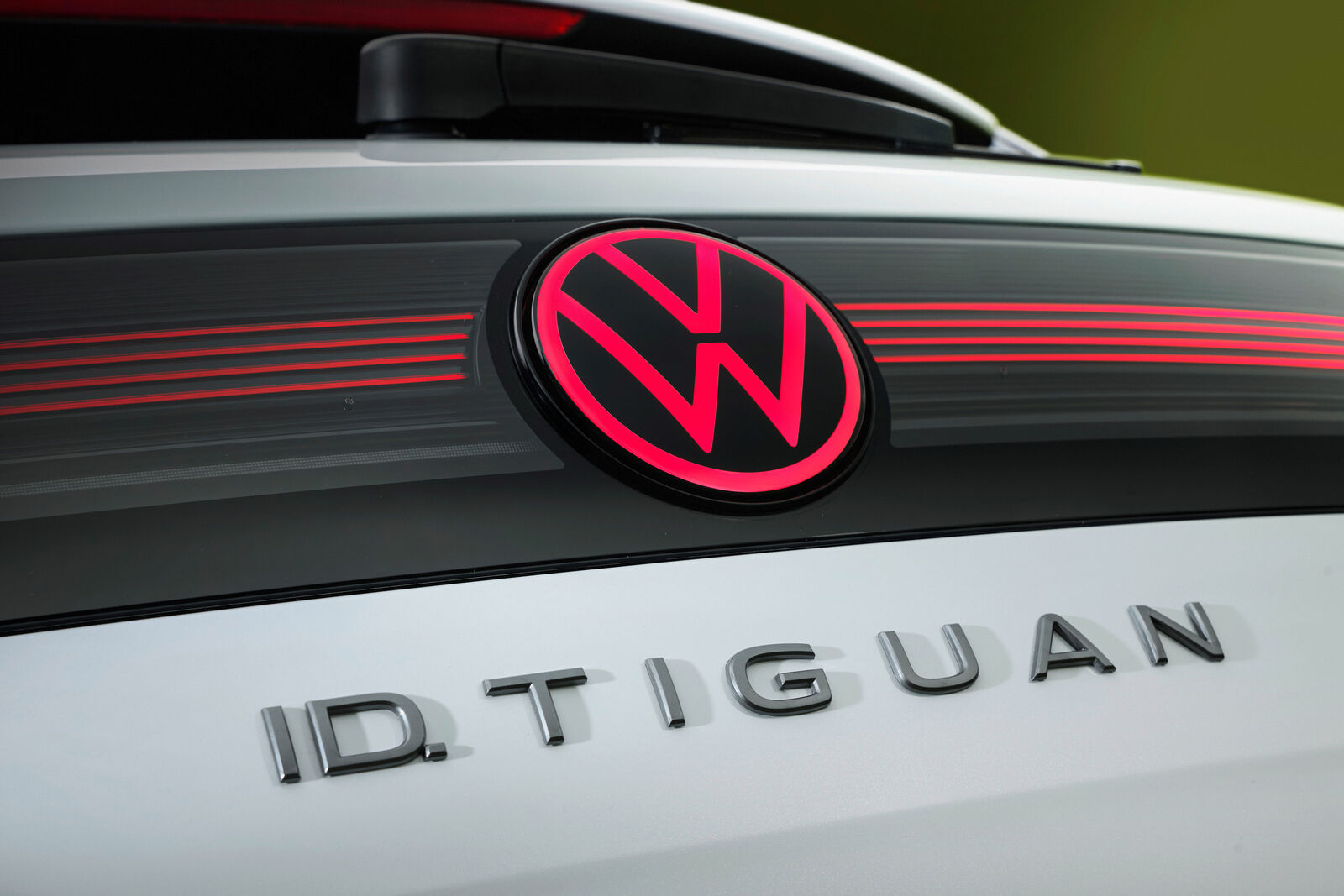


Volkswagen just folded two of its electric nameplates into one of the most recognizable badges in its lineup. The ID. Tiguan will replace both the ID.4 and ID.5 when it arrives in early 2027, marking the third time the automaker has grafted a familiar combustion-era name onto an electric vehicle.
The ID. Polo and ID. Cross came first. Now the Tiguan gets the treatment, and the logic is brutally simple: nobody outside of EV circles knows what an ID.4 is, but 8.3 million customers have bought a Tiguan.
CEO Thomas Schäfer called the Tiguan name a “strong product brand” that “embodies the essence of True Volkswagen.” Translation: the alphanumeric naming convention that launched the ID. family was a branding dead end. Customers couldn’t tell an ID.4 from an ID.5 from an ID.7, and dealers spent half their pitch explaining what the car actually was.
The numbers suggest the ID.4 and ID.5 did fine on their own terms. Volkswagen claims more than 950,000 units delivered since 2021 across both models. But “fine” isn’t good enough when the combustion Tiguan and its sister model, the Tayron, moved over a million units in a single year.
VW says the ID. Tiguan will sit alongside the gas and hybrid Tiguan, giving customers a choice of powertrain under one roof. It’s the same dual-track strategy Toyota has used with the bZ4X sitting next to the RAV4, except VW is going further by unifying the name itself. One badge, multiple drivetrains, zero confusion at the dealership.
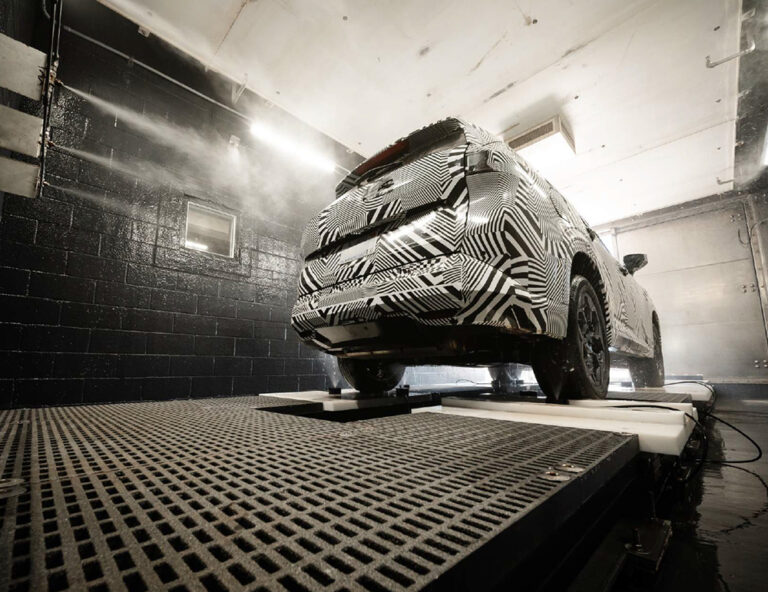
The world premiere is set for early October. Prototypes will keep running under camouflage wrap, with VW describing the car as a “near-production concept” not yet available for sale. The company promises a completely new design with “the visual presence of a vehicle from the next segment up,” corporate speak for saying it looks bigger and more expensive than an ID.4.
What VW is really admitting here is that the entire ID. sub-brand experiment, launched with great fanfare in 2019, failed to build the emotional connection the company needed. The ID.3 was supposed to be the electric Golf. It wasn’t. The ID.4 was supposed to own the electric compact SUV space the way the Tiguan owns the combustion one. It didn’t.
So now VW is doing the obvious thing it should have done from the start: leaning on names people already trust. The ID.3 recently became the ID.3 Neo. The small electric hatchback became the ID. Polo. And now the electric SUV that matters most becomes the ID. Tiguan.
It’s a pragmatic move, and pragmatism has been in short supply at Wolfsburg. The company spent billions building an electric identity from scratch when it already had one of the most recognized model portfolios in the world.
The question is whether a name change alone moves the needle. The ID.4’s challenges were never just about branding. Software glitches, inconsistent build quality, and a user interface that frustrated early adopters all played their part.
If the ID. Tiguan arrives with those problems solved, the familiar name becomes a multiplier. If it doesn’t, it becomes a liability, because customers know exactly what a Tiguan is supposed to feel like.
VW has not released specs, pricing, or detailed platform information. Early October will fill in those blanks. For now, the company is betting that the hardest part of selling an electric car to mainstream buyers is getting them to walk into the showroom, and that a name they already know is the fastest way to make that happen.
Share this Story