
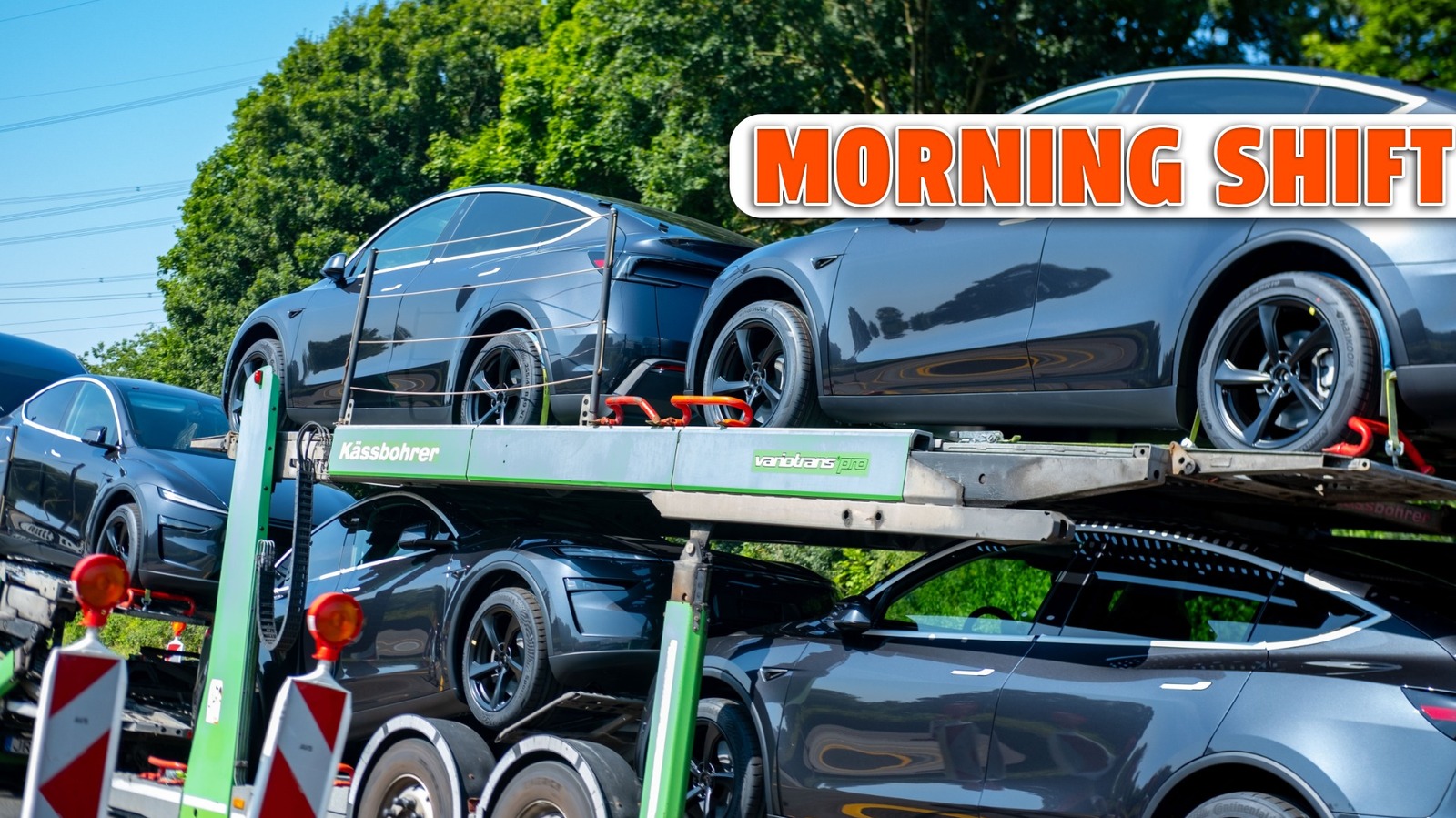


A year ago, French protesters were burning Elon Musk in effigy. In May 2026, Tesla registrations in France surged 655 percent year-over-year to 5,446 vehicles. So much for lasting outrage.
The numbers across Europe are staggering. Norway up 29 percent. Denmark up 136 percent. Spain up 113 percent. Portugal up 349 percent. Sweden up 71 percent. These aren’t rounding errors or seasonal blips. This is a full-scale commercial resurrection in markets that were supposedly done with the brand.
The obvious question is what changed. The answer is both simple and uncomfortable: Musk got quieter, and consumers got cheaper cars. Since his exit from the Trump administration, Musk has dialed back the political provocations that made him toxic across much of Western Europe.
Meanwhile, Tesla’s pricing strategy, always its sharpest weapon, kept doing the heavy lifting. But look closer and the picture gets more complicated. Tesla lost nearly half its European market share in 2025, hammered by Chinese competition, aging product lines, and the Musk backlash.
What’s happening now isn’t Tesla reclaiming dominance. It’s Tesla riding a much bigger wave. Europe’s overall battery electric vehicle registrations rose 21 percent in April alone, driven by government subsidies, policy mandates, and fuel costs that are punishing ICE owners.
Tesla’s slice of that pie is still smaller than it was two years ago. Rico Luman at ING Research put it plainly: Tesla’s volume is being lifted by massive EV market growth, especially in Scandinavia and catch-up markets like Spain. The brand is selling more cars into a pool that’s growing faster than its share is shrinking.
Italy tells the other side of the story. Tesla registrations there dropped 23.5 percent in May. In markets where Chinese brands like BYD have gained real traction, Tesla’s bounce-back is far from guaranteed.
Speaking of BYD, the Chinese giant is circling Europe with intent. Executive Vice President Stella Li has publicly called Maserati “very interesting,” and the company is reportedly in talks with Stellantis and other legacy automakers about acquiring idle factory capacity. The strategy is transparent: buy European brands, use European plants, dodge EU tariffs.
Analysts remain skeptical. Ferdinand Dudenhöffer called BYD’s interest in Maserati good press release material but economically dubious, pointing to BYD’s own first-quarter net profit plunge of 55.4 percent. Still, the very fact that a Chinese automaker is openly shopping for iconic European nameplates tells you everything about where the power in this industry is shifting.
Back in the U.S., Hyundai and Kia posted another strong month, powered almost entirely by hybrids. Hybrid sales jumped 90 percent at Hyundai and 179 percent at Kia in May. With gas averaging $4.29 a gallon nationally, down from a 2026 peak of $4.56 but still painfully elevated, buyers are making rational choices.
The EV market is also stabilizing after the federal tax credit expiration cratered demand last fall. Hyundai’s EV sales set a May record, up 10 percent.
Meanwhile, a UAW strike at American Axle’s Three Rivers, Michigan plant threatens GM’s truck production. The company has roughly two weeks of axle inventory before Silverado and Sierra lines could go dark. Workers there make a top wage of $22 an hour, down from $29 in 2008. The CEO’s pay package last year was $11.5 million. The math writes its own editorial.
The thread connecting all of these stories is memory, or the lack of it. European consumers forgot they hated Musk. American truck buyers forgot that supply chains are fragile. And legacy automakers forgot that standing still means getting passed. The industry doesn’t reward grudges or nostalgia. It rewards whoever shows up with the right price at the right time.

Share this Story