
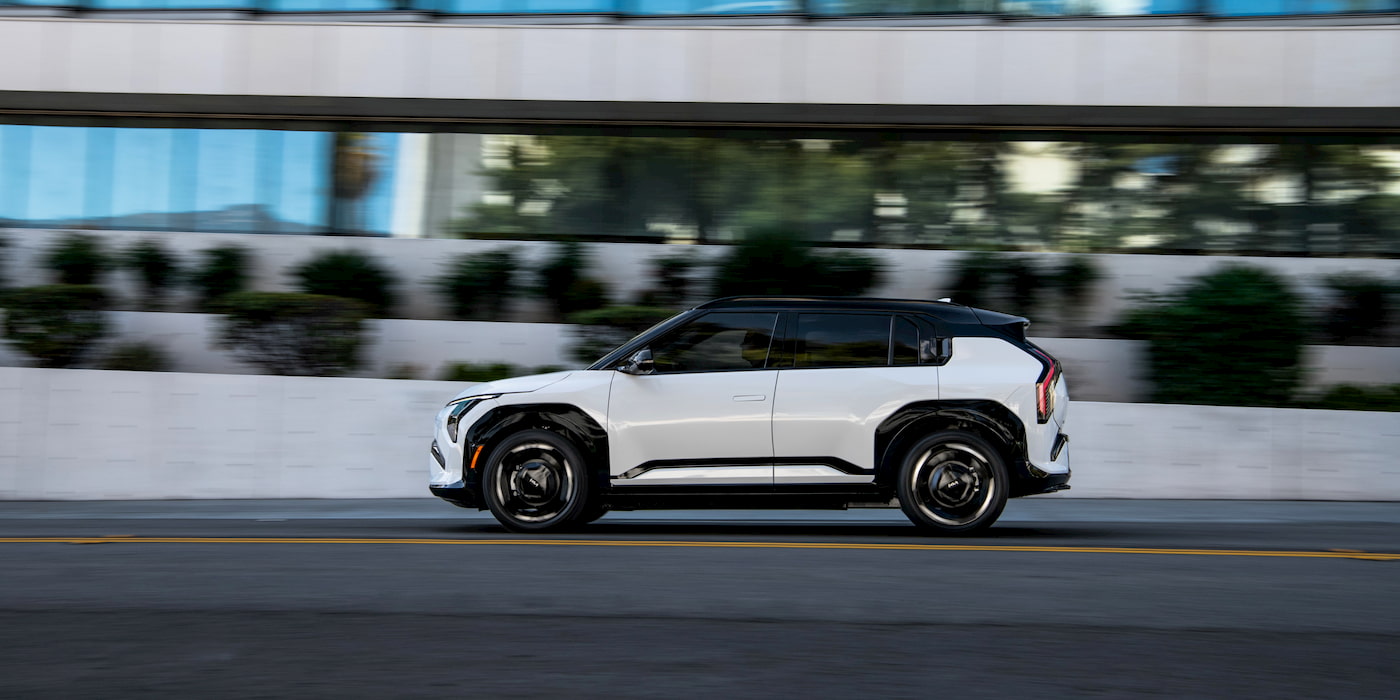


A 35 percent jump in electric vehicle sales during the first quarter of 2026 is not a rounding error. For Kia, it is the clearest signal yet that its aggressive pivot toward electrification is connecting with buyers in ways that matter — at the dealership, not just in the press conference.
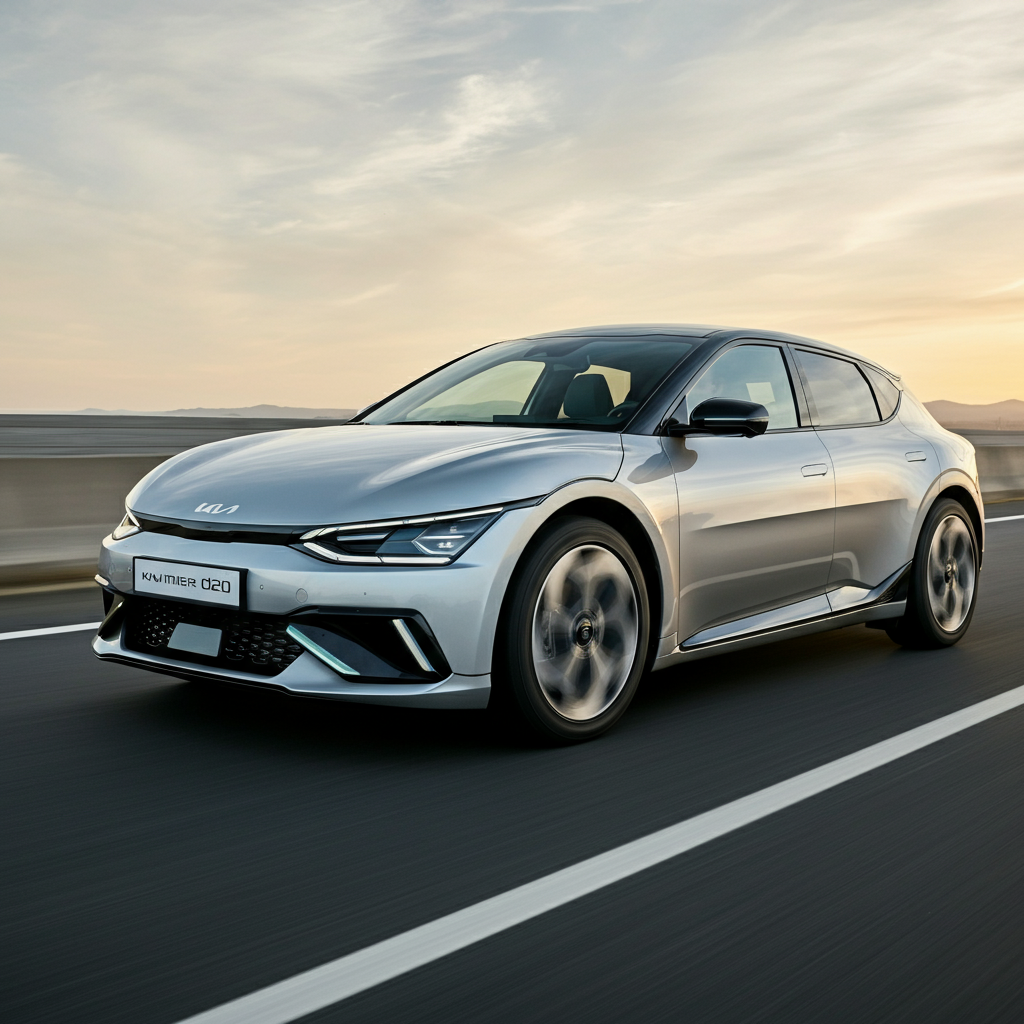
The surge is built on two pillars: the redesigned EV6 and the revived Soul EV. The EV6 continues to punch above its weight class, pulling younger buyers with its aggressive design language and a technology suite that rivals vehicles costing tens of thousands more. The Soul EV, compact and priced to move, has carved out a niche with urban drivers who need efficiency without the premium badge.
Together, they represent something Kia has been chasing for years — a credible, multi-model EV portfolio that doesn’t rely on a single hero car to carry the numbers.
CEO Ho Sung Song isn’t being coy about what comes next. Kia plans to have more than 11 new electric models in its lineup by 2027, spanning segments from city cars to larger utility vehicles. That is a compressed timeline for a company that, not long ago, was primarily known for value-priced sedans and crossovers with long warranty stickers.
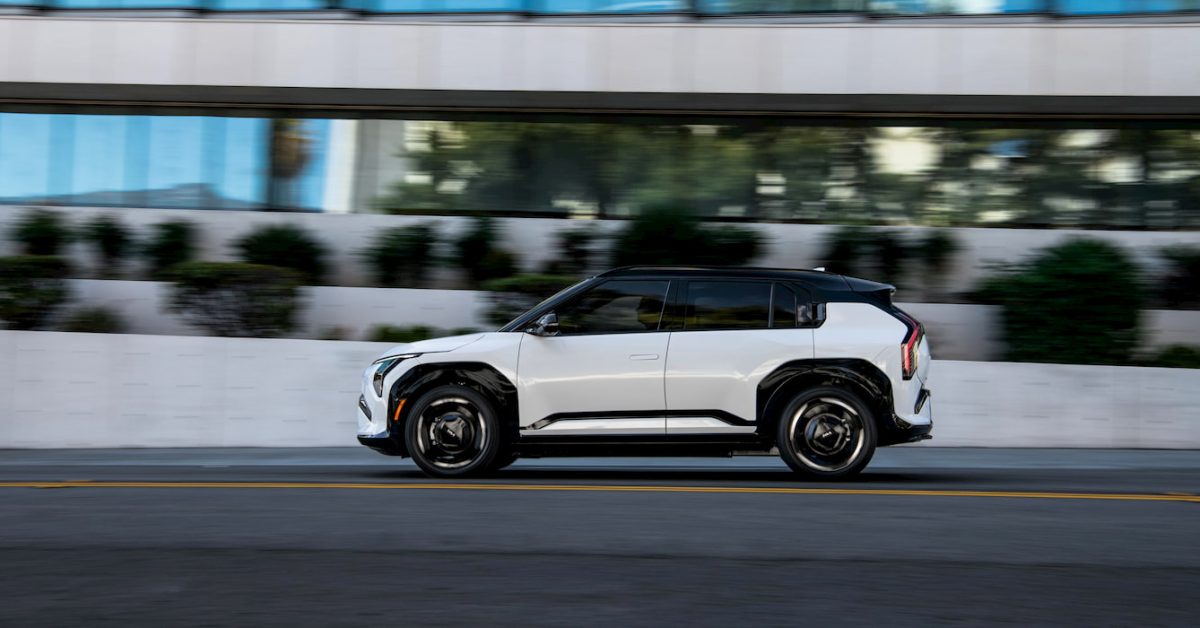
The ambition is deliberate. Kia watched what happened to automakers who treated electrification as a side project — they got lapped. Hyundai Motor Group’s shared platform strategy gives Kia the engineering backbone to move fast, and the company is clearly spending the capital to exploit that advantage.
But raw product isn’t enough anymore. The company has been inking partnerships with charging networks to address the persistent anxiety that keeps fence-sitters from signing on the dotted line. Range anxiety is no longer just about battery capacity; it is about whether a driver trusts the ecosystem waiting for them beyond the showroom. Kia is betting that seamless charging access will close as many sales as horsepower figures.
There is also a quieter play happening behind the scenes. Kia is investing in sustainable sourcing of raw materials and lower-carbon manufacturing processes. It is a bet that the next generation of EV buyers will scrutinize not just tailpipe emissions but the entire lifecycle of the vehicle they are purchasing. That kind of supply chain transparency used to be a niche concern. It is rapidly becoming a competitive differentiator.
The 35 percent growth figure lands at a moment when some legacy automakers are pulling back on EV commitments, spooked by softening demand and political headwinds swirling around incentive programs. Kia is moving in the opposite direction, doubling down when others hedge. That takes either supreme confidence or institutional stubbornness. The sales receipts suggest it is the former.
None of this makes Kia the dominant global EV brand overnight. Tesla still owns the volume crown. Chinese manufacturers are flooding export markets with aggressively priced alternatives, and Hyundai, Kia’s corporate sibling, is fishing in many of the same ponds.
What Kia has done, though, is erase the old narrative. This is no longer a company playing catch-up in the electric space. It is a company setting the tempo for the mainstream market — offering real cars, at real prices, with real infrastructure support.
The next twelve months, as those 11 new models begin to materialize, will determine whether this surge becomes a sustained trajectory or a quarter worth celebrating and forgetting. For now, the momentum belongs to Kia. And in this industry, momentum is the most expensive thing money can buy.


Share this Story