
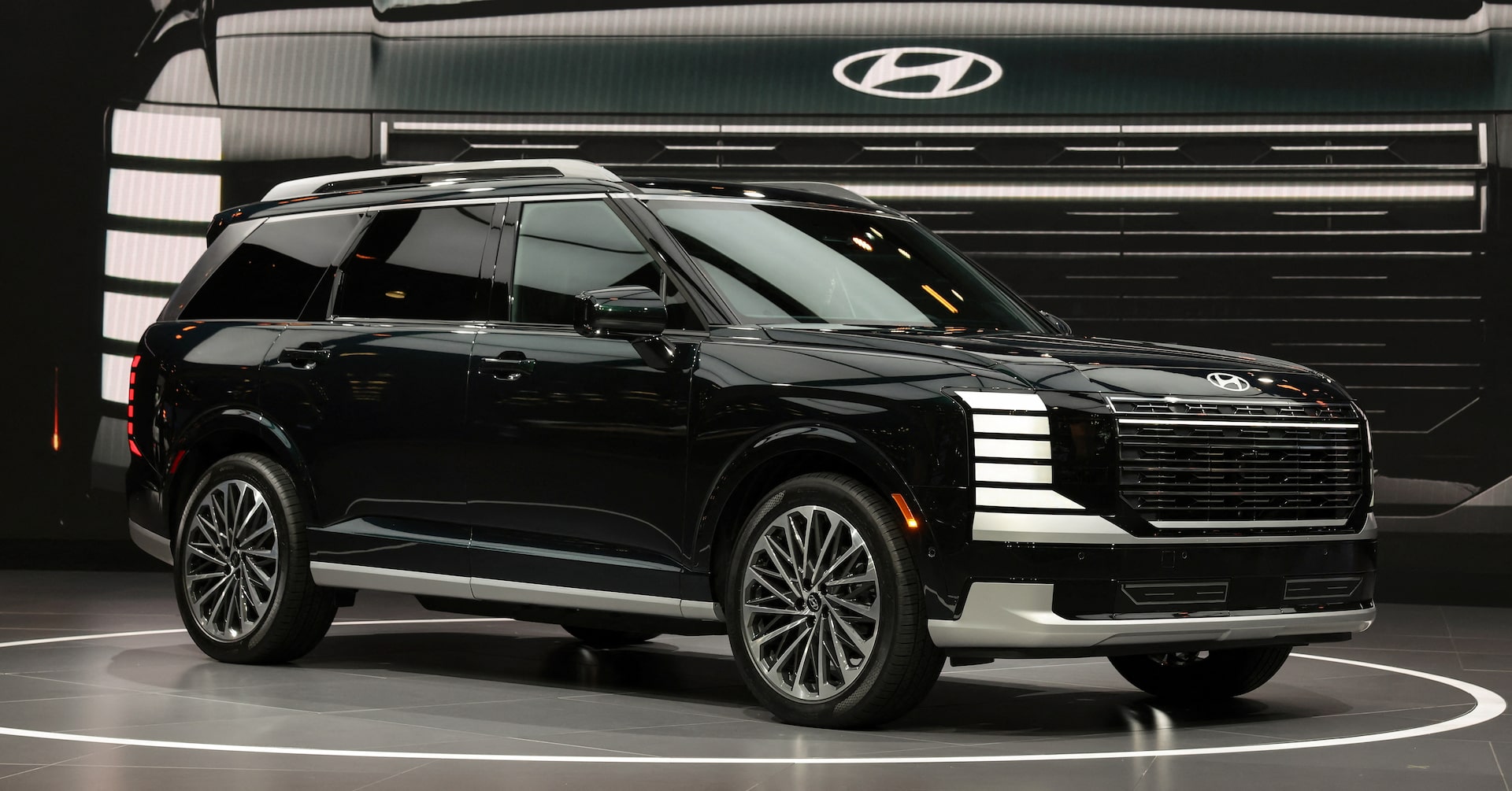


Hyundai Motor hit its highest-ever first-quarter revenue — KRW 45.94 trillion, roughly $31 billion — and still watched operating profit crater by nearly a third. That’s the kind of quarter that keeps CFOs up at night.
The South Korean automaker reported Wednesday that operating profit fell 30.8 percent year over year to KRW 2.51 trillion, dragged down by $580 million in tariff-related costs, rising raw material prices, and a global demand environment that shrank more than seven percent. The operating margin collapsed from 8.2 percent to 5.5 percent. Net profit dropped 23.6 percent to KRW 2.58 trillion.
The numbers matched analyst expectations, which tells you Wall Street already priced in the pain. LSEG SmartEstimate had pegged operating profit at roughly KRW 2.5 trillion. No surprise. No relief, either.
Global wholesale volume slipped 2.5 percent to 976,219 units. Domestic Korean sales fell 4.4 percent to 159,066 units, partly because buyers are waiting on major new models due later this year. Overseas deliveries dipped 2.1 percent, with weakness in the Middle East and recall costs on the Palisade SUV adding to the damage.
The cost-of-goods-sold ratio ballooned to 82.5 percent, up 2.7 percentage points. Raw materials hit harder. Tariffs hit harder. SG&A expenses held flat at 12 percent of sales, so Hyundai couldn’t offset the squeeze from the overhead side.
Here’s the counterweight: electrified vehicles surged 14.2 percent to 242,612 units, accounting for nearly a quarter of total global sales. Hybrids alone reached 173,977 units, a record, representing 17.8 percent of the mix. Battery-electric vehicles contributed 58,788 units, with both figures marking all-time quarterly highs.
Hyundai is riding the hybrid wave harder than almost anyone predicted two years ago. That hybrid strength is doing real structural work. It pushed revenue up 3.4 percent even as unit volumes fell, meaning Hyundai is selling fewer cars at higher average transaction prices.
The mix is richer. The customer is moving upmarket. But a richer mix alone cannot outrun a $580 million tariff bill and a commodity cost spike that shows no sign of easing.
Market share tells a more optimistic story. Globally, Hyundai climbed from 4.6 percent to 4.9 percent. In the U.S., the company expanded from 5.6 percent to 6.0 percent, with sales inching up 0.3 percent to 243,572 units — a small gain in a brutal environment.
When the overall market contracts and your share grows, you’re taking someone else’s lunch. Hyundai maintained its quarterly dividend at KRW 2,500 per common share, signaling it won’t sacrifice shareholder returns even under margin pressure. The company also announced zero-based budget reviews and enhanced contingency planning — corporate-speak for cutting anything that doesn’t earn its keep.
New model launches, including a Grandeur facelift, are the near-term bet for clawing back profitability. Hyundai is telling investors to look past a quarter defined by external shocks and focus on a second-half product offensive.
The tension is obvious. Hyundai is winning the volume game, gaining share, and selling more electrified vehicles than ever. But tariff exposure — particularly in the U.S., its most profitable market — is chewing through margins at an alarming rate.
Record revenue means nothing if a third of your profit disappears before it reaches the bottom line. The product pipeline is strong. The question is whether geopolitics will let Hyundai collect on it.
Share this Story