
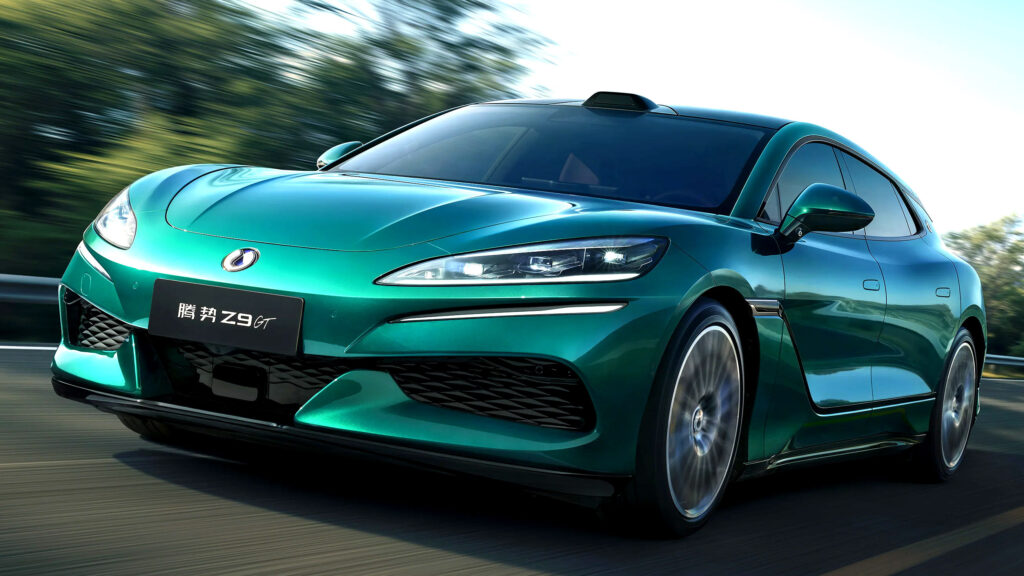


BYD’s net profit dropped 55 percent in the first quarter of 2026. Revenue fell nearly 12 percent. Sales volume cratered 30 percent.
And yet, on the day the numbers hit, BYD’s stock climbed more than 3 percent on the Shanghai exchange and over 4 percent in Hong Kong. The market is telling you something the headline numbers aren’t.
Start with the profit collapse, because it demands context. A 4-billion-yuan swing in foreign exchange — from a 1.9-billion-yuan gain a year ago to a 2.1-billion-yuan loss this quarter — accounts for virtually all the damage. The RMB strengthened sharply against both the dollar and the euro, shredding the value of overseas revenue when converted back to Chinese currency.
Strip that out and BYD’s underlying business looks far healthier than the topline suggests. Gross margins actually improved. The company’s overall gross margin hit 18.8 percent, up 1.4 points from the prior quarter.
The auto business specifically posted a 23.4 percent gross margin, a 1.8-point sequential improvement. Those aren’t numbers from a company in retreat.
The real story is offshore. BYD shipped 319,800 vehicles to international markets in Q1, a 55 percent year-over-year surge. Nearly one out of every two BYDs sold now leaves China.
Overseas models carry higher average selling prices and fatter margins, which pushed BYD’s average transaction price to 160,000 yuan — a 20 percent jump from a year earlier. The domestic market shrank. The global business more than compensated on a per-unit economics basis.
China’s home market was brutal for everyone in Q1. A revised purchase-tax policy weakened demand, and nearly 70 models were caught in open price warfare. BYD’s 700,500-unit quarter was ugly by its own 2025 standards, but Great Wall, Geely, and the rest were bleeding too.
By March, BYD had clawed back to 300,000 monthly sales, a 58 percent rebound from February.
The company is now pulling two levers at once. On the technology side, BYD’s second-generation blade battery with flash charging — 10 to 70 percent in five minutes — launched in March. The charging infrastructure buildout is moving at a staggering pace: more than 5,500 flash-charging stations deployed as of late April, with BYD adding roughly 16 stations per day toward a year-end target of 20,000.
That’s the kind of ecosystem play that locks in customers.
On the product side, BYD flooded the Beijing Auto Show with new metal. The Seal 08 and Sea Lion 08 debuted as flash-charge-equipped flagships priced between 300,000 and 350,000 yuan. The refreshed Tang EV pulled 30,000 pre-sale orders in 24 hours.
A third-generation Yuan PLUS, the Denza Z supercar, the Fang Cheng Bao S, and the Yangwang U9X all surfaced. BYD has stacked its pipeline so densely that every quarter through year-end has a major launch cadence.
Even the price hike tells a story. Starting May 1, BYD raised the optional Divine Eye assisted-driving laser package from 9,900 to 12,000 yuan, citing hardware cost increases. It’s a modest move, but it signals confidence that demand can absorb it — especially overseas, where BYD’s brand is still ascending, not defending.
R&D spending fell 20 percent to 11.3 billion yuan but still dwarfed net profit by nearly three to one. BYD continues to outspend its earnings on future technology, a pattern that has defined the company since it pivoted from batteries to cars.
Investors looked past the Q1 profit hit because they see a company repositioning its revenue mix toward higher-margin international sales, deploying differentiated charging infrastructure at wartime speed, and launching products across every segment from 100,000-yuan compacts to million-yuan hypercars. The domestic headwinds are real but cyclical. The overseas trajectory is structural.
BYD’s worst quarter in recent memory might end up being the one that proved its next chapter had already started.

Share this Story