



Chrysler CEO Chris Feuell is out, effective immediately. The departure, announced March 6, was attributed to personal reasons. She had led the brand since 2021.
Her replacement is Matt McAlear, who already runs Dodge and now picks up Alfa Romeo’s North American operations as a bonus. One executive, three brands, and a to-do list that would make most people quit before lunch.
McAlear has spent 13 years inside the Stellantis empire in various roles and took the reins at Dodge in 2024. He is, by all accounts, a company lifer being asked to do what used to be three jobs. Stellantis apparently sees consolidation as strategy rather than desperation.
The timing is hard to ignore. Chrysler currently sells exactly one vehicle — the Pacifica minivan. The entire product portfolio of one of America’s oldest automotive nameplates fits on a single line of a spec sheet. Whatever grand plans existed under Feuell’s watch never materialized into metal on dealer lots.
The brand has been on life support for years, and a leadership change doesn’t come with a defibrillator.
Feuell’s tenure coincided with some of the most turbulent years in Stellantis history. The merger of PSA and FCA promised synergies and fresh product. For Chrysler, that promise mostly stayed on PowerPoint slides.
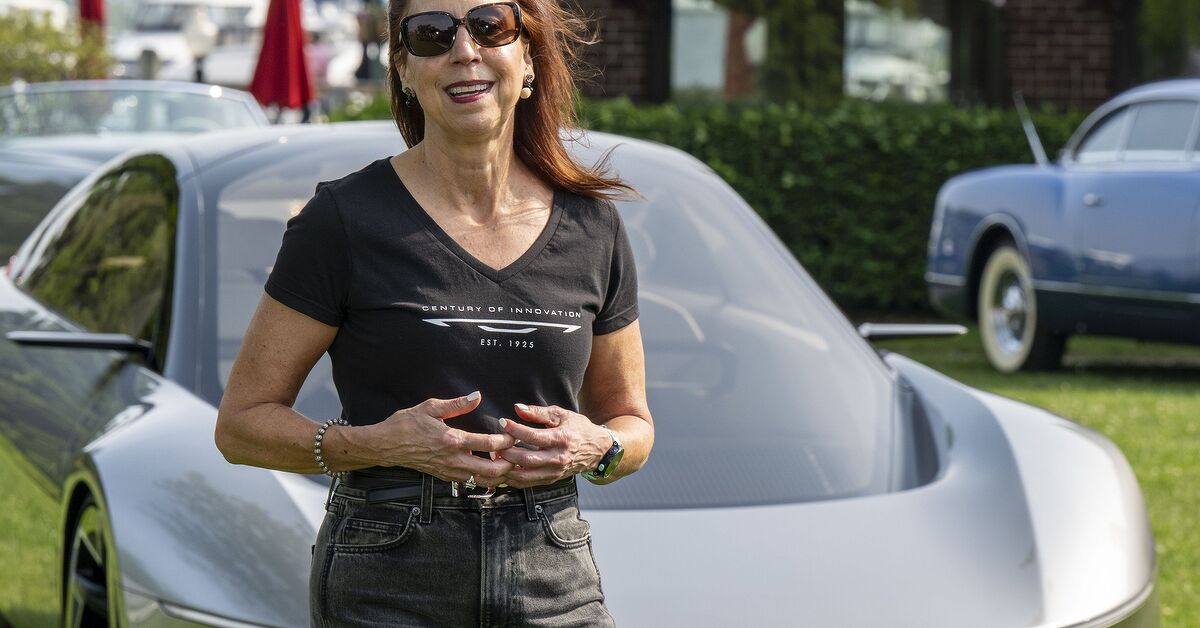
The Airflow concept, shown to great fanfare years ago, never made it to production. Dealers kept selling Pacificas and wondering what came next.
Now McAlear inherits that question along with two other brands that have their own existential challenges. Dodge is in the middle of navigating its muscle-car identity through an electrified future, a transition that has been rocky at best. Alfa Romeo in North America has always punched below its weight, with a lineup that struggles for showroom traffic despite genuine driving talent in its vehicles.
Spreading one executive across three brands is a move Stellantis has made before. It signals something about how the company prioritizes resources. Brands that get their own dedicated leader tend to get dedicated investment. Brands that share a boss tend to share leftovers.
The question nobody at Stellantis is answering publicly is whether Chrysler has a future as anything more than a nameplate on a minivan. There was a time when the brand carried sedans, crossovers, and a genuine identity. The 300 is long gone, the 200 before it, and what remains is a single family hauler competing in a segment that shrinks every year as three-row SUVs eat its lunch.
McAlear’s track record at Dodge suggests he understands enthusiasm and brand loyalty. Whether those instincts translate to a brand whose remaining customers care more about Stow ‘n Go seats than quarter-mile times is an open question. Running Dodge and Chrysler simultaneously is like coaching a football team and a chess club — both are valid, but the skill sets barely overlap.
Stellantis has been cycling through leadership changes at a pace that makes it hard to build continuity. Carlos Tavares departed as CEO in late 2024. Brand heads have shuffled repeatedly. Each change resets the clock on whatever strategy was forming, and Chrysler can’t afford many more resets.
If McAlear has a plan to inject life into Chrysler beyond the Pacifica, the clock started ticking the moment Feuell walked out the door. The brand doesn’t need another caretaker. It needs a product offensive or an honest conversation about whether the name still deserves a spot in the portfolio.
Share this Story